
Olive Oil Nutrition Facts
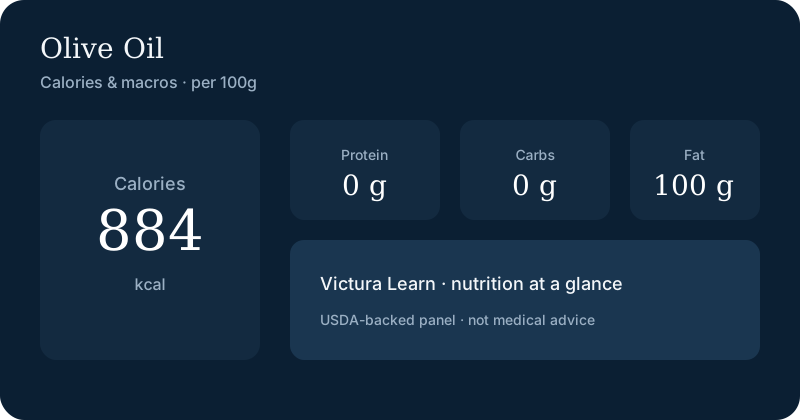
Complete olive oil nutrition breakdown with 884 kcal per 100g, glycemic index, and diet compatibility.
Written by Victura Nutrition TeamReviewed by Victura Editorial ReviewLast updated Aug 10, 2026
884
Calories
0.0g
Protein
0.0g
Carbs
Use caution
Is it healthy?
per 100g · per panel values
Track this food in VicturaQuick answer
A 100g serving of olive oil provides about 884 kcal. Per 100g you get about 0g carbs and 0g protein.
Olive Oil is a whole food with approximately 884 calories per 100g, tracked in Victura for macro-aware meal logging.
- Calories (100g serving)
- 884 kcal
- Carbs (100g)
- 0.0g
- Protein (100g)
- 0.0g
- Serving reference
- 100g · 100g serving

Where the calories come from
Per 100g · protein & carbs 4 kcal/g, fat 9 kcal/g
- Protein0 g · 0%
- Carbs0 g · 0%
- Fat100 g · 100%
Serving calculator
How much did you eat or drink — Olive Oil?
884
Calories
0.0g
Protein
0.0g
Carbs
100.0g
Fat
Nutrition facts
per 100g · Source: USDA FoodData Central (seeded Phase 0)
884 kcal
Calories
Vitamins
- Vitamin E: 14.35mg
Scientific explanation
Research-backedOlive Oil provides approximately 884 kcal per 100g with 0.0g protein, 0.0g carbohydrates, and 100.0g fat. Sourced from USDA FoodData Central, these values reflect the pure lipid composition of this ancient culinary staple. At its core, olive oil is a liquid fat obtained from olives, the fruit of the Olea europaea tree. The lipid profile is predominantly composed of monounsaturated fatty acids (MUFAs), specifically oleic acid (C18:1), which accounts for 55% to 83% of the total fatty acid content. Oleic acid is highly regarded in clinical nutrition for its structural stability and its association with reduced markers of systemic inflammation. The remaining fat content consists of polyunsaturated fatty acids (PUFAs), primarily linoleic acid, and saturated fatty acids (SFAs) such as palmitic acid. Beyond its macronutrient profile, extra virgin olive oil (EVOO) is a rich source of bioactive minor components. These include fat-soluble vitamins, primarily Vitamin E (alpha-tocopherol), which provides approximately 14.35 mg per 100g (about 96% of the Daily Value). Vitamin E acts as a potent antioxidant, protecting cellular membranes from oxidative damage. Additionally, olive oil contains phenolic compounds such as oleuropein, hydroxytyrosol, and oleocanthal. These polyphenols are responsible for the characteristic pungent, peppery sensation at the back of the throat when consuming high-quality extra virgin olive oil. Research indicates these compounds exert strong antioxidant and anti-inflammatory effects, contributing to cardiovascular protection by preventing the oxidation of low-density lipoprotein (LDL) cholesterol. From a metabolic standpoint, olive oil has a glycemic index (GI) of zero, as it contains no carbohydrates. When consumed alongside carbohydrate-rich foods, the fats in olive oil slow gastric emptying, which subsequently delays glucose absorption in the small intestine. This physiological mechanism blunts the postprandial glycemic spike, making olive oil an excellent dietary tool for improving glycemic control and insulin sensitivity in individuals with metabolic syndrome or type 2 diabetes.

Community insights
Community insightAmong Victura meal logs, olive oil appears frequently as a foundational ingredient in healthy meal preparation, salad dressings, and low-carbohydrate cooking. Many users tracking their macronutrients on Victura log olive oil to meet their daily healthy fat targets, particularly those adhering to ketogenic, Mediterranean, or paleo dietary frameworks. A common pattern observed in community logs is the integration of olive oil into morning routines, such as drizzling it over avocado toast or incorporating it into savory breakfast bowls. Users who pair olive oil with high-fiber vegetables report significantly higher satiety levels and sustained energy throughout the afternoon, avoiding the energy crashes often associated with high-carbohydrate meals. However, because olive oil is exceptionally calorie-dense, Victura users frequently emphasize the importance of precise measurement. Free-pouring olive oil directly from the bottle can easily add 200 to 300 untracked calories to a meal. Successful trackers in our community recommend using a dedicated measuring spoon or a kitchen scale to ensure accurate portion control. Additionally, home cooks in the community share that using a high-quality extra virgin olive oil as a finishing oil—rather than just a cooking medium—preserves its delicate volatile compounds and peppery flavor, allowing you to use less while maximizing sensory satisfaction.
Pros
- Olive Oil is a whole food with measurable macro nutrients
Cons
- Portion size still matters for calorie goals
Best time to eat
Pair with protein and fiber for balanced meals.
Good windows
- With main meals
Consider avoiding
- Very large portions without activity
Diet compatibility
Weight loss
Use caution
At 884 kcal and 0.0g fiber per 100g, this food is energy-dense - watch portions.
Keto
Friendly
Net carbs ~0.0g per 100g - compatible with strict keto.
Diabetic friendly
Friendly
GI N/A with 0.0g sugar - generally blood-sugar friendly in moderation.
Frequently asked questions
People also ask
Is an olive oil healthy?
Yes — an olive oil is a whole food with measurable nutrients. Healthiness depends on overall diet, portions, and your goals.
Can I eat an olive oil every day?
Most people can include an olive oil daily as part of a balanced diet, as long as total calories and carbs fit their plan.
Are Olive Oils good for weight loss?
At 884 kcal and 0.0g fiber per 100g, this food is energy-dense - watch portions.
How many calories are in an olive oil?
A typical medium serving of olive oil has about 884 calories, while 100g contains about 884 calories (USDA reference).
Are Olive Oils good before a workout?
Olive oils can work before activity when you want easy carbs; pair an olive oil with protein if your session is long.
Are Olive Oils high in sugar?
Olive oils contain about 0.0g sugar per 100g — mostly natural sugars when whole.
Is olive oil good for weight loss?
Yes, olive oil is excellent for weight loss when integrated mindfully into a calorie-controlled diet. Its high monounsaturated fat content promotes satiety and prevents the rapid hunger spikes often triggered by high-carbohydrate meals. By slowing down digestion, olive oil helps maintain stable blood sugar levels, reducing cravings. To succeed with olive oil during weight loss, avoid free-pouring and instead measure out single-tablespoon portions to keep your daily energy intake in check.
Is olive oil keto-friendly?
Yes, olive oil is one of the most keto-friendly foods available. With net carbs at 0.0g per 100g and a fat content of 100%, it perfectly aligns with the macronutrient ratios required to induce and maintain nutritional ketosis. It provides clean, high-quality fats that help elevate ketone levels and supply the body with sustained energy when carbohydrates are restricted.
What is the glycemic index of olive oil?
The glycemic index (GI) of olive oil is 0 (or not applicable) because it contains no carbohydrates. Foods without carbohydrates do not raise blood glucose levels. Furthermore, adding olive oil to carbohydrate-rich foods lowers the overall glycemic index of the meal by slowing gastric emptying and delaying the absorption of glucose into the bloodstream.
Is olive oil safe for people with diabetes?
Yes, olive oil is highly safe and beneficial for people with diabetes. Its monounsaturated fats improve insulin sensitivity and help regulate blood sugar levels. Clinical studies suggest that diets rich in olive oil can lower HbA1c levels and reduce cardiovascular risk factors, which is particularly important for individuals managing type 2 diabetes.
How many calories does olive oil have?
Olive oil contains 884 calories per 100g. In standard kitchen portions, one tablespoon (approximately 13.5g) of olive oil contains about 119 calories, derived entirely from dietary fats. A teaspoon contains about 40 calories. Understanding these portion sizes is essential for accurate nutritional tracking.
How we review this guide
- Written by
- Victura Nutrition Team
- Reviewed by
- Victura Editorial Review
- Reference sources
- 4
- Last updated
- Aug 10, 2026
References
Ready to track your meals with AI?
Victura scans your plate, logs macros automatically, and coaches you toward your goals — halal, keto, diabetic-friendly, and more.