
Flaxseeds Nutrition Facts
Complete flaxseeds nutrition breakdown with 534 kcal per 100g, glycemic index, and diet compatibility.
Written by Victura Nutrition TeamReviewed by Victura Editorial ReviewLast updated Aug 10, 2026
534
Calories
18.3g
Protein
28.9g
Carbs
Use caution
Is it healthy?
per 100g · per panel values
Track this food in VicturaQuick answer
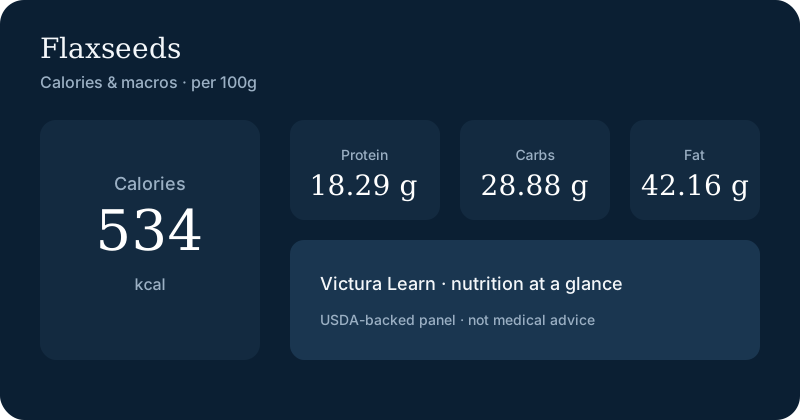
A 100g serving of flaxseeds provides about 534 kcal. Per 100g you get about 28.88g carbs and 18.29g protein. Glycemic index is around 15.
Flaxseeds is a whole food with approximately 534 calories per 100g, tracked in Victura for macro-aware meal logging.
- Calories (100g serving)
- 534 kcal
- Carbs (100g)
- 28.88g
- Protein (100g)
- 18.29g
- Serving reference
- 100g · 100g serving
- Glycemic index
- 15

Where the calories come from
Per 100g · protein & carbs 4 kcal/g, fat 9 kcal/g
- Protein18.3 g · 12.9%
- Carbs28.9 g · 20.3%
- Fat42.2 g · 66.8%
Serving calculator
How much did you eat or drink — Flaxseeds?
534
Calories
18.3g
Protein
28.9g
Carbs
42.2g
Fat
Nutrition facts
per 100g · Source: USDA FoodData Central (seeded Phase 0)
534 kcal
Calories
Minerals
- Magnesium: 392mg
Scientific explanation
Research-backedFlaxseeds provides approximately 534 kcal per 100g, making it an exceptionally nutrient-dense seed. A standard single-tablespoon serving (approximately 10 grams) delivers 53 calories, 1.8g of protein, 4.2g of fat, and 2.9g of carbohydrates, of which 2.7g is dietary fiber. This unique macronutrient distribution means that flaxseeds contain almost zero net carbohydrates (around 0.2g per tablespoon), making them highly compatible with low-carb and ketogenic dietary patterns. The lipid profile of flaxseeds is highly distinguished, consisting predominantly of polyunsaturated fatty acids, specifically alpha-linolenic acid (ALA), an essential omega-3 fatty acid. ALA serves as a precursor to longer-chain omega-3s like EPA and DHA. Clinical research indicates that the high ALA content in flaxseeds supports cardiovascular health by helping to maintain healthy blood pressure and reducing systemic inflammation. Furthermore, flaxseeds are one of the richest dietary sources of lignans, which are phytoestrogens that possess significant antioxidant properties. Lignans have been studied for their potential role in hormone balance and reducing the risk of hormone-associated cancers. From a micronutrient perspective, flaxseeds are an outstanding source of magnesium, providing 392 mg per 100g, which equates to approximately 93% of the Daily Value (DV). Magnesium is a critical cofactor in over 300 enzymatic reactions within the human body, including energy production, protein synthesis, muscle and nerve function, and blood glucose control. Additionally, flaxseeds contain notable amounts of phosphorus, thiamine (vitamin B1), and copper. The dietary fiber in flaxseeds is split between soluble and insoluble fractions. The soluble fiber, primarily mucilage, forms a gel-like substance when mixed with water. This gel slows gastric emptying and delays nutrient absorption, which contributes to a highly stable glycemic response. Consequently, the glycemic index of flaxseeds is exceptionally low, estimated at 15. This low GI rating, combined with the minimal glycemic load, makes flaxseeds an ideal dietary component for glycemic regulation and insulin sensitivity management.

Community insights
Community insightWithin the Victura community meal logs, flaxseeds are frequently documented as a versatile, health-promoting staple. The most common usage patterns involve incorporating ground flaxseeds into morning smoothies, oatmeal bowls, and Greek yogurt parfaits. Victura users who consistently log flaxseeds report experiencing sustained, long-lasting energy levels throughout the morning, avoiding the mid-morning energy crashes often associated with high-carbohydrate breakfasts. A recurring theme in community discussions and meal logs is the distinction between whole and ground flaxseeds. Many users note that whole flaxseeds often pass through the digestive tract completely undigested, meaning the body cannot access the rich store of omega-3 fats, magnesium, and lignans inside. To maximize nutrient absorption, the community highly recommends grinding whole flaxseeds in a coffee grinder or purchasing pre-ground (milled) flaxseeds, storing them in the refrigerator or freezer to prevent the delicate polyunsaturated fats from oxidizing and turning rancid. Additionally, plant-based and vegan cooks in the Victura community frequently utilize ground flaxseeds as a functional egg substitute in baking. By mixing one tablespoon of ground flaxseeds with three tablespoons of water and letting it sit for a few minutes, users create a 'flax egg' that mimics the binding properties of a traditional egg, making it a popular ingredient in allergen-friendly pancakes, muffins, and breads.
Pros
- Flaxseeds is a whole food with measurable macro nutrients
- Extremely high in heart-healthy omega-3 fatty acids (ALA)
- Excellent source of soluble and insoluble dietary fiber
Cons
- Portion size still matters for calorie goals
- Must be ground to unlock full nutritional benefits
- Can cause digestive discomfort if consumed without enough water
Best time to eat
Pair with protein and fiber for balanced meals.
Good windows
- With main meals
- In morning smoothies
- Post-workout recovery meals
Consider avoiding
- Very large portions without activity
- Immediately before intense cardio sessions
Diet compatibility
Weight loss
Use caution
At 534 kcal and 27.3g fiber per 100g, this food is energy-dense - watch portions.
Keto
Friendly
Net carbs ~1.6g per 100g - compatible with strict keto.
Diabetic friendly
Friendly
GI 15 with 1.6g sugar - generally blood-sugar friendly in moderation.
Frequently asked questions
People also ask
Is a flaxseeds healthy?
Yes — a flaxseeds is a whole food with measurable nutrients. Healthiness depends on overall diet, portions, and your goals. Estimated GI is 15.
Can I eat a flaxseeds every day?
Most people can include a flaxseeds daily as part of a balanced diet, as long as total calories and carbs fit their plan.
Are Flaxseedses good for weight loss?
At 534 kcal and 27.3g fiber per 100g, this food is energy-dense - watch portions.
How many calories are in a flaxseeds?
A typical medium serving of flaxseeds has about 534 calories, while 100g contains about 534 calories (USDA reference).
Are Flaxseedses good before a workout?
Flaxseedses can work before activity when you want easy carbs; pair a flaxseeds with protein if your session is long.
Are Flaxseedses high in sugar?
Flaxseedses contain about 1.6g sugar per 100g — mostly natural sugars when whole.
Is flaxseeds keto-friendly?
Yes, flaxseeds are highly keto-friendly. With 28.88g of total carbohydrates per 100g and 27.3g of dietary fiber, the net carbohydrate content is only about 1.58g per 100g. A standard tablespoon serving contains less than 0.2 grams of net carbs, allowing it to fit easily within even the strictest ketogenic macro limits.
What is the glycemic index of flaxseeds?
The glycemic index (GI) of flaxseeds is estimated to be 15, which is classified as very low. Because they contain minimal digestible carbohydrates and are rich in soluble fiber and healthy fats, they do not cause rapid spikes in blood glucose levels. This low GI profile helps maintain stable insulin levels.
Is flaxseeds safe for people with diabetes?
Yes, flaxseeds are highly safe and beneficial for individuals with diabetes. Their low glycemic index of 15 and high fiber content help slow down the absorption of glucose in the bloodstream, preventing post-meal blood sugar spikes. Additionally, the magnesium in flaxseeds supports insulin sensitivity and overall metabolic health.
How we review this guide
- Written by
- Victura Nutrition Team
- Reviewed by
- Victura Editorial Review
- Reference sources
- 4
- Last updated
- Aug 10, 2026
References
Ready to track your meals with AI?
Victura scans your plate, logs macros automatically, and coaches you toward your goals — halal, keto, diabetic-friendly, and more.