
Chicken Breast Nutrition Facts
Complete chicken breast nutrition breakdown with 120 kcal per 100g, glycemic index, and diet compatibility.
Written by Victura Nutrition TeamReviewed by Victura Editorial ReviewLast updated Aug 10, 2026
120
Calories
22.5g
Protein
0.0g
Carbs
Generally yes
Is it healthy?
per 100g · per panel values
Track this food in VicturaQuick answer
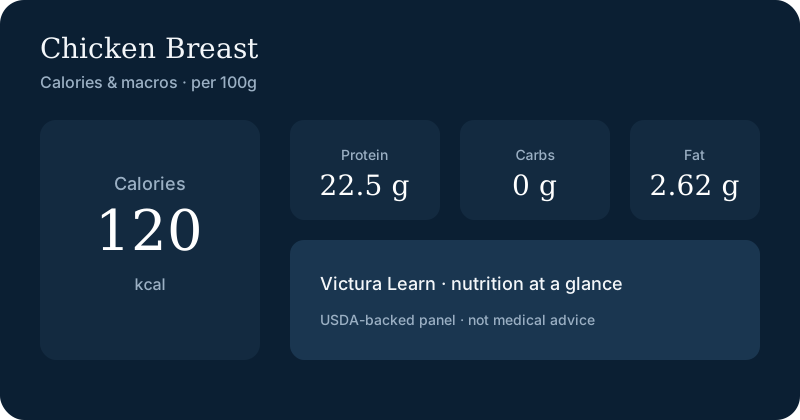
A 3-ounce serving of chicken breast contains around 102 calories, while 100g contains about 120 calories. Per 100g you get about 0g carbs and 22.5g protein.
Chicken Breast is a whole food with approximately 120 calories per 100g, tracked in Victura for macro-aware meal logging.
- Calories (3-ounce serving)
- 102 kcal
- Calories (100g)
- 120 kcal
- Carbs (100g)
- 0.0g
- Protein (100g)
- 22.5g
- Serving reference
- 85g · 3-ounce serving

Where the calories come from
Per 100g · protein & carbs 4 kcal/g, fat 9 kcal/g
- Protein22.5 g · 79.2%
- Carbs0 g · 0%
- Fat2.6 g · 20.8%
Serving calculator
How much did you eat or drink — Chicken Breast?
120
Calories
22.5g
Protein
0.0g
Carbs
2.6g
Fat
Nutrition facts
per 100g · Source: USDA FoodData Central (seeded Phase 0)
120 kcal
Calories
Vitamins
- Niacin: 9.6mg
- Vitamin B6: 0.81mg
Minerals
- Phosphorus: 196mg
- Selenium: 22mcg
Scientific explanation
Research-backedChicken Breast provides approximately 120 calories (kcal) per 100g serving, alongside 22.5g of high-quality protein, 2.62g of total fat, and 0.0g of carbohydrates. This lean profile makes it a foundational food in clinical nutrition, athletic performance, and weight management programs. The protein in chicken breast is highly bioavailable, boasting a complete amino acid profile rich in branched-chain amino acids (BCAAs) like leucine, isoleucine, and valine, which are critical for stimulating muscle protein synthesis and preserving lean mass during caloric deficits.

Community insights
Community insightAmong Victura meal logs, chicken breast is one of the most frequently logged protein sources, highly favored by athletes, bodybuilders, and individuals undergoing structured weight management. Users frequently log chicken breast in batch-cooked formats, such as meal-prepped shredded chicken, grilled cutlets, and slow-cooked stews. A common trend in our community data shows that users who pair chicken breast with healthy fats (such as avocado, olive oil, or nuts) and complex carbohydrates (like quinoa or sweet potatoes) report significantly higher satiety scores and more stable energy levels throughout the afternoon compared to those who consume chicken breast in isolation. Additionally, culinary discussions within the community highlight sous-vide and low-temperature baking as the preferred methods to retain moisture without adding excess fats or sodium.
Pros
- Extremely high protein-to-calorie ratio, ideal for muscle building and fat loss
- Rich in essential micronutrients, particularly Niacin, Vitamin B6, and Selenium
- Zero carbohydrates and zero sugar, making it perfect for keto and diabetic diets
- Highly versatile and easy to prepare in bulk for meal planning
Cons
- Can become dry and unpalatable if overcooked due to its ultra-low fat content
- Requires careful seasoning or pairing to avoid culinary monotony
- Does not provide dietary fiber or healthy omega-3 fatty acids on its own
Best time to eat
Ideal for post-workout recovery and main meals to support muscle synthesis and sustained satiety.
Good windows
- Post-workout within 2 hours to maximize muscle protein synthesis
- Lunch or dinner to provide long-lasting satiety and prevent evening cravings
Consider avoiding
- Immediately before intense cardiovascular exercise, as high protein takes longer to digest than simple carbs
Diet compatibility
Weight loss
Friendly
At only 120 kcal and 22.5g of protein per 100g, it is highly satiating and has a low energy density, making it a premier choice for weight loss.
Keto
Friendly
With 0.0g of carbohydrates per 100g, chicken breast fits perfectly into a strict ketogenic diet, though fat additions may be required to meet keto macro ratios.
Diabetic friendly
Friendly
Having a glycemic index of 0 and containing no sugar, chicken breast does not raise blood glucose levels and helps stabilize insulin responses.
Frequently asked questions
People also ask
Is a chicken breast healthy?
Yes — a chicken breast is a whole food with measurable nutrients. Healthiness depends on overall diet, portions, and your goals.
Can I eat a chicken breast every day?
Most people can include a chicken breast daily as part of a balanced diet, as long as total calories and carbs fit their plan.
Are chicken breasts good for weight loss?
At only 120 kcal and 22.5g of protein per 100g, it is highly satiating and has a low energy density, making it a premier choice for weight loss.
How many calories are in a chicken breast?
A typical medium serving of chicken breast has about 120 calories, while 100g contains about 120 calories (USDA reference).
Are chicken breasts good before a workout?
Chicken breasts can work before activity when you want easy carbs; pair a chicken breast with protein if your session is long.
Are chicken breasts high in sugar?
Chicken breasts contain about 0.0g sugar per 100g — mostly natural sugars when whole.
Is chicken breast keto-friendly?
Yes, chicken breast is highly keto-friendly because it contains 0.0g of net carbohydrates. However, because it is extremely lean (only 2.62g of fat per 100g), individuals on a strict ketogenic diet may need to pair it with healthy fat sources—such as avocado, olive oil, butter, or cheese—to meet their daily macronutrient targets for fat intake.
What is the glycemic index of chicken breast?
The glycemic index (GI) of chicken breast is 0 (or N/A). Because it contains absolutely no carbohydrates, it has no measurable impact on blood glucose levels. Foods with zero carbs do not trigger an insulin spike, making them excellent for maintaining stable blood sugar throughout the day.
Is chicken breast safe for people with diabetes?
Yes, chicken breast is highly safe and recommended for people with diabetes. Its high protein and zero-carb profile helps stabilize blood sugar levels by slowing down digestion when paired with other foods. This prevents rapid post-meal glucose spikes and supports long-term glycemic control.
How we review this guide
- Written by
- Victura Nutrition Team
- Reviewed by
- Victura Editorial Review
- Reference sources
- 4
- Last updated
- Aug 10, 2026
References
Ready to track your meals with AI?
Victura scans your plate, logs macros automatically, and coaches you toward your goals — halal, keto, diabetic-friendly, and more.