
Apple Nutrition Facts
Complete apple nutrition breakdown with 52 kcal per 100g, glycemic index, and diet compatibility.
Written by Victura Nutrition TeamLast updated Aug 9, 2026
52
Calories
0.3g
Protein
13.8g
Carbs
Generally yes
Is it healthy?
per 100g · per panel values
Track this food in VicturaQuick answer
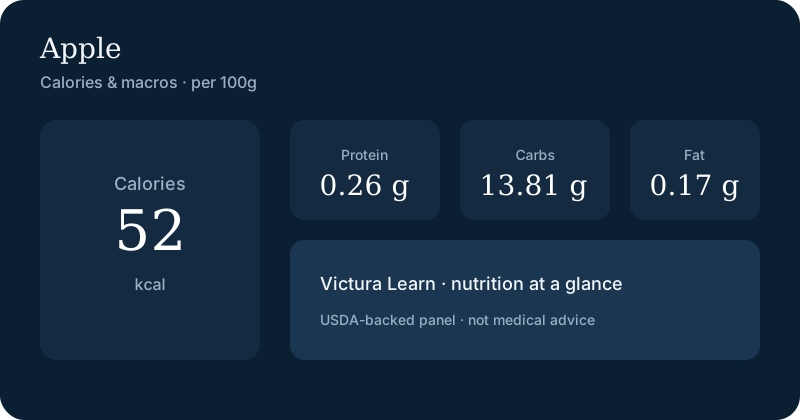
A medium apple contains around 95 calories, while 100g contains about 52 calories. Per 100g you get about 13.81g carbs and 0.26g protein. Glycemic index is around 36.
Apple is a whole food with approximately 52 calories per 100g, tracked in Victura for macro-aware meal logging.
- Calories (medium apple)
- 95 kcal
- Calories (100g)
- 52 kcal
- Carbs (100g)
- 13.81g
- Protein (100g)
- 0.26g
- Serving reference
- 182g · medium apple
- Glycemic index
- 36

Where the calories come from
Per 100g · protein & carbs 4 kcal/g, fat 9 kcal/g
- Protein0.3 g · 1.8%
- Carbs13.8 g · 95.6%
- Fat0.2 g · 2.6%
Serving calculator
How much did you eat or drink — Apple?
52
Calories
0.3g
Protein
13.8g
Carbs
0.2g
Fat
Nutrition facts
per 100g · Source: USDA FoodData Central (seeded Phase 0)
52 kcal
Calories
Vitamins
- Vitamin C: 4.6mg
Minerals
- Potassium: 107mg
Scientific explanation
Research-backedApple provides approximately 52 kcal per 100g, establishing it as a nutrient-dense, low-calorie fruit option that fits seamlessly into most health-conscious dietary patterns. The macronutrient distribution per 100g consists of 0.26g of protein, 13.81g of carbohydrates, and 0.17g of fat. Of the total carbohydrates, 10.39g are comprised of simple sugars—primarily fructose, sucrose, and glucose—while 2.4g are represented by dietary fiber. This fiber matrix is highly complex, consisting of both soluble fiber, such as pectin, and insoluble fiber, which supports gastrointestinal motility. Pectin acts as a prebiotic, feeding beneficial gut bacteria and fermenting into short-chain fatty acids that promote colonic health. The presence of this structural fiber slows down gastric emptying and enzymatic starch breakdown, resulting in a low glycemic index of 36. Micronutrient analysis reveals that a 100g serving of raw apple with skin delivers 4.6mg of Vitamin C (approximately 5% of the Daily Value) and 107mg of Potassium (2% of the Daily Value), alongside trace amounts of Vitamin B6, riboflavin, and magnesium. Crucially, the nutritional value of an apple is enhanced by its rich concentration of bioactive phytochemicals, particularly polyphenols such as quercetin, catechin, phloridzin, and chlorogenic acid. These compounds, which are concentrated heavily in the peel, exhibit strong antioxidant properties that help neutralize free radicals and mitigate oxidative stress. Clinical research suggests that regular consumption of these polyphenols, in combination with soluble fiber, supports cardiovascular health by assisting in the regulation of LDL cholesterol levels and improving endothelial function. Consequently, the whole apple matrix offers physiological benefits that extend far beyond its basic macronutrient profile.

Community insights
Community insightAmong Victura meal logs, apple appears frequently as a highly versatile, portable snack and a staple ingredient in health-focused recipes. Users consistently log apples as a convenient mid-morning or late-afternoon option to curb sweet cravings without resorting to processed snacks. A common pattern observed in community food diaries is the strategic pairing of apples with healthy fats and proteins. Logging an apple alongside almond butter, peanut butter, walnuts, or Greek yogurt is highly recommended by users who track their macronutrients. This combination slows down digestion even further, providing sustained energy levels and preventing the minor energy dips that some sensitive individuals experience when consuming fruit alone on an empty stomach. In culinary applications, community members frequently log sliced apples as a crunchy, sweet addition to spinach or kale salads, pairing them with goat cheese and vinaigrettes. Others report using diced apples as a natural sweetener in morning oatmeal, overnight oats, or chia seed puddings, often seasoned with cinnamon to enhance flavor without adding refined sugars. The physical act of chewing a whole, raw apple is also frequently cited in community forums as a psychological aid for satiety, helping individuals feel more satisfied compared to consuming liquid calories or soft, highly processed foods.
Pros
- Low calorie density with satisfying crunch
- Soluble fiber (pectin) supports satiety
- Lower GI than tropical fruits
Cons
- Less protein - pair with nuts or cheese
- Juice removes fiber benefits
Best time to eat
Great afternoon snack or salad add-in.
Good windows
- Afternoon snack
- With lunch salads
Consider avoiding
- Apple juice instead of whole fruit
Diet compatibility
Weight loss
Friendly
At 52 kcal and 2.4g fiber per 100g, this food fits calorie-conscious plans.
Keto
Use caution
Net carbs ~11.4g per 100g - too high-carb for standard keto.
Diabetic friendly
Friendly
GI 36 with 10.4g sugar - generally blood-sugar friendly in moderation.
Frequently asked questions
People also ask
Is an apple healthy?
Yes — an apple is a whole food with measurable nutrients. Healthiness depends on overall diet, portions, and your goals. Estimated GI is 36.
Can I eat an apple every day?
Most people can include an apple daily as part of a balanced diet, as long as total calories and carbs fit their plan.
Are Apples good for weight loss?
At 52 kcal and 2.4g fiber per 100g, this food fits calorie-conscious plans.
How many calories are in an apple?
A typical medium serving of apple has about 52 calories, while 100g contains about 52 calories (USDA reference).
Are Apples good before a workout?
Apples can work before activity when you want easy carbs; pair an apple with protein if your session is long.
Are Apples high in sugar?
Apples contain about 10.4g sugar per 100g — mostly natural sugars when whole.
Is apple keto-friendly?
An apple is generally not considered keto-friendly, as a 100g serving contains approximately 11.41g of net carbohydrates. Since standard ketogenic diets limit daily carbohydrate intake to 20 to 50 grams, eating a whole apple would consume a significant portion of, or exceed, your entire daily carbohydrate allowance.
What is the glycemic index of apple?
The estimated glycemic index of an apple is 36, which is classified as low. This low GI rating indicates that the carbohydrates in the fruit are digested and absorbed gradually, causing a slow, gentle rise in blood glucose levels rather than a sharp spike.
Is apple safe for people with diabetes?
Apples are safe and highly suitable for people with diabetes when consumed in moderation. The low glycemic index of 36, combined with the beneficial fiber pectin, helps manage glycemic control. To further blunt any glucose response, it is highly recommended to pair apple slices with a source of protein or healthy fat, such as cheese or nuts.
How we review this guide
- Written by
- Victura Nutrition Team
- Reference sources
- 0
- Last updated
- Aug 9, 2026
References
Ready to track your meals with AI?
Victura scans your plate, logs macros automatically, and coaches you toward your goals — halal, keto, diabetic-friendly, and more.