
Quinoa Nutrition Facts
Complete quinoa nutrition breakdown with 368 kcal per 100g, glycemic index, and diet compatibility.
Written by Victura Nutrition TeamReviewed by Victura Editorial ReviewLast updated Aug 10, 2026
368
Calories
14.1g
Protein
64.2g
Carbs
Generally yes
Is it healthy?
per 100g · per panel values
Track this food in VicturaQuick answer
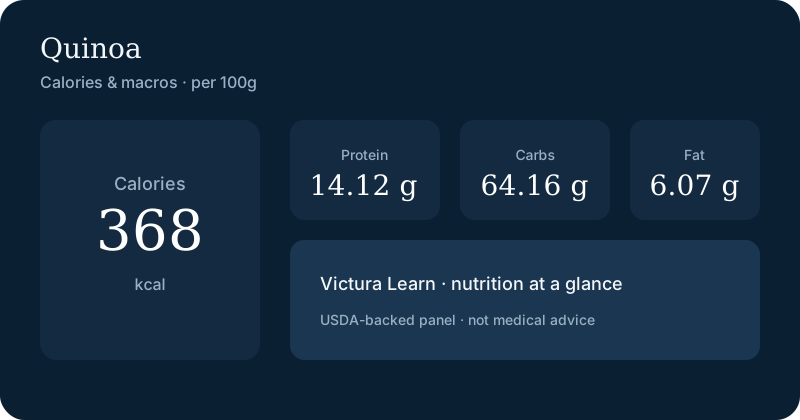
A 100g serving of quinoa provides about 368 kcal. Per 100g you get about 64.16g carbs and 14.12g protein. Glycemic index is around 53.
Quinoa is a whole food with approximately 368 calories per 100g, tracked in Victura for macro-aware meal logging.
- Calories (100g serving)
- 368 kcal
- Carbs (100g)
- 64.16g
- Protein (100g)
- 14.12g
- Serving reference
- 100g · 100g serving
- Glycemic index
- 53

Where the calories come from
Per 100g · protein & carbs 4 kcal/g, fat 9 kcal/g
- Protein14.1 g · 15.4%
- Carbs64.2 g · 69.8%
- Fat6.1 g · 14.9%
Serving calculator
How much did you eat or drink — Quinoa?
368
Calories
14.1g
Protein
64.2g
Carbs
6.1g
Fat
Nutrition facts
per 100g · Source: USDA FoodData Central (seeded Phase 0)
368 kcal
Calories
Minerals
- Iron: 4.57mg
Scientific explanation
Research-backedQuinoa provides an exceptional nutritional profile, delivering approximately 368 calories (kcal) per 100g of uncooked grain. Within this 100g serving, it contains 14.12g of high-quality protein, 64.16g of carbohydrates, and 6.07g of total fat. It is highly regarded as a complete protein source, meaning it contains all nine essential amino acids that the human body cannot synthesize on its own. This makes it an invaluable dietary staple, particularly for plant-based, vegetarian, and vegan diets. Additionally, quinoa offers 7.0g of dietary fiber per 100g, which supports gastrointestinal health, promotes satiety, and helps regulate blood sugar levels. Its glycemic index is estimated at 53, placing it in the low-to-medium category. This moderate glycemic impact ensures a gradual release of glucose into the bloodstream, preventing the sharp insulin spikes often associated with refined grains. Micronutrient analysis reveals that quinoa is particularly rich in essential minerals, providing 4.57mg of iron per 100g, which constitutes approximately 25% of the daily recommended value. This mineral density, combined with its robust macronutrient distribution, establishes quinoa as a highly nutrient-dense whole food.

Community insights
Community insightAmong Victura meal logs, quinoa appears frequently as a versatile foundation for meal prep, a portable lunch salad base, and even an innovative addition to high-protein breakfast bowls. Many active users report that swapping out white rice or refined pasta for quinoa helps them sustain energy levels throughout the afternoon without experiencing the typical post-lunch energy crash. Community feedback highlights that pairing quinoa with healthy fats, such as sliced avocado or extra virgin olive oil, alongside a lean protein source, further enhances satiety. Some users also experiment with adding cooked quinoa directly into morning smoothies to boost fiber and protein content, noting that it provides a thick, satisfying texture and keeps them full for several hours. Meal preppers appreciate its stability in the refrigerator, noting that it retains its firm texture and nutty flavor for up to five days, making it an ideal carbohydrate source for structured weekly nutrition plans.
Pros
- Quinoa is a whole food with measurable macro nutrients
- Complete plant-based protein containing all nine essential amino acids
- Rich in dietary fiber and essential minerals like iron
Cons
- Portion size still matters for calorie goals
- Contains saponins which require thorough rinsing before cooking
- Too high in carbohydrates for strict ketogenic diets
Best time to eat
Pair with protein and fiber for balanced meals.
Good windows
- With main meals
- Post-workout recovery
- Pre-workout fuel (2-3 hours prior)
Consider avoiding
- Very large portions without activity
Diet compatibility
Weight loss
Friendly
Highly satiating due to fiber and protein, but portion control is necessary as raw grain is energy-dense.
Keto
Use caution
Net carbs ~57.16g per 100g - too high-carb for standard keto.
Diabetic friendly
Friendly
GI 53 with 0.0g sugar - generally blood-sugar friendly in moderation.
Frequently asked questions
People also ask
Is a quinoa healthy?
Yes — a quinoa is a whole food with measurable nutrients. Healthiness depends on overall diet, portions, and your goals. Estimated GI is 53.
Can I eat a quinoa every day?
Most people can include a quinoa daily as part of a balanced diet, as long as total calories and carbs fit their plan.
Are Quinoas good for weight loss?
Highly satiating due to fiber and protein, but portion control is necessary as raw grain is energy-dense.
How many calories are in a quinoa?
A typical medium serving of quinoa has about 368 calories, while 100g contains about 368 calories (USDA reference).
Are Quinoas good before a workout?
Quinoas can work before activity when you want easy carbs; pair a quinoa with protein if your session is long.
Are Quinoas high in sugar?
Quinoas contain about 0.0g sugar per 100g — mostly natural sugars when whole.
Is quinoa keto-friendly?
With net carbohydrates of approximately 57.16g per 100g (uncooked), quinoa is too high in carbohydrates to fit into a standard ketogenic diet. Keto diets typically restrict daily net carb intake to under 20g to 50g, meaning even a small serving of quinoa could easily exceed your daily limit and disrupt ketosis.
What is the glycemic index of quinoa?
The glycemic index of quinoa is estimated to be 53, which falls into the low-to-medium range. This means it has a moderate, controlled impact on blood sugar levels. To further blunt any potential glucose response, you can pair quinoa with healthy fats, non-starchy vegetables, or lean proteins.
Is quinoa safe for people with diabetes?
Yes, quinoa is generally safe and highly recommended for individuals with diabetes when consumed in moderate, controlled portions. Its low-to-medium glycemic index of 53, combined with its high fiber (7.0g) and protein (14.12g) content, helps slow down digestion and prevents sudden blood sugar spikes, making it an excellent alternative to white rice.
How we review this guide
- Written by
- Victura Nutrition Team
- Reviewed by
- Victura Editorial Review
- Reference sources
- 4
- Last updated
- Aug 10, 2026
References
Ready to track your meals with AI?
Victura scans your plate, logs macros automatically, and coaches you toward your goals — halal, keto, diabetic-friendly, and more.