
Peanut Butter Nutrition Facts
Complete peanut butter nutrition breakdown with 588 kcal per 100g, glycemic index, and diet compatibility.
Written by Victura Nutrition TeamReviewed by Victura Editorial ReviewLast updated Aug 11, 2026
588
Calories
25.1g
Protein
20.0g
Carbs
Use caution
Is it healthy?
per 100g · per panel values
Track this food in VicturaQuick answer
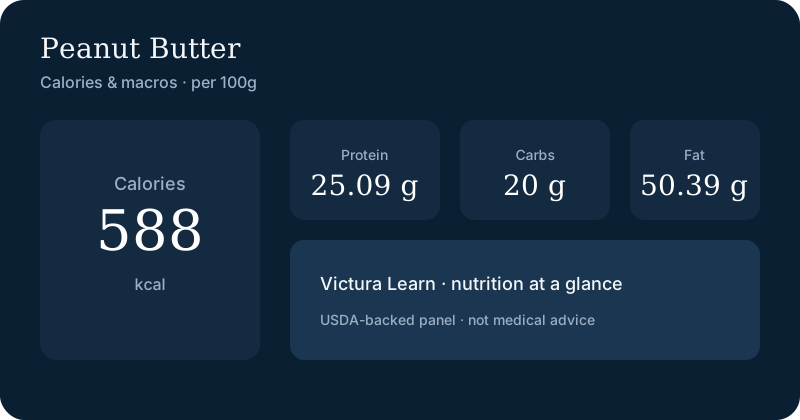
A 100g serving of peanut butter provides about 588 kcal. Per 100g you get about 20g carbs and 25.09g protein. Glycemic index is around 14.
Peanut Butter is a whole food with approximately 588 calories per 100g, tracked in Victura for macro-aware meal logging.
- Calories (100g serving)
- 588 kcal
- Carbs (100g)
- 20.0g
- Protein (100g)
- 25.09g
- Serving reference
- 100g · 100g serving
- Glycemic index
- 14

Where the calories come from
Per 100g · protein & carbs 4 kcal/g, fat 9 kcal/g
- Protein25.1 g · 15.8%
- Carbs20 g · 12.6%
- Fat50.4 g · 71.5%
Serving calculator
How much did you eat or drink — Peanut Butter?
588
Calories
25.1g
Protein
20.0g
Carbs
50.4g
Fat
Nutrition facts
per 100g · Source: USDA FoodData Central (seeded Phase 0)
588 kcal
Calories
Vitamins
- Niacin: 13.1mg
Minerals
- Magnesium: 154mg
Scientific explanation
Research-backedPeanut Butter provides approximately 588 kcal per 100g with 25.09g protein, 20.0g carbohydrates, and 50.39g fat. Dietary fiber is 6.0g per 100g. The glycemic index is estimated at 14 (low), meaning glucose rises at a slow rate after consumption. Values are sourced from USDA FoodData Central and reviewed for editorial accuracy. The macronutrient distribution of peanut butter is heavily weighted toward high-quality dietary fats and plant-based proteins, making it an exceptionally nutrient-dense food. Approximately 75% of the lipid profile consists of unsaturated fatty acids, primarily oleic acid (a monounsaturated fat also found in olive oil) and linoleic acid (an essential omega-6 polyunsaturated fatty acid). These fats play crucial roles in maintaining cellular membrane integrity, supporting hormone synthesis, and facilitating the absorption of fat-soluble vitamins (A, D, E, and K). From a protein perspective, peanut butter provides 25.09g per 100g, though it is considered an incomplete protein because it is limiting in the essential amino acid methionine. Pairing peanut butter with whole grains, such as whole-wheat bread or oats, creates a complementary amino acid profile that delivers a complete protein source. Additionally, the low glycemic index of 14 is attributed to the minimal carbohydrate content relative to the high fat and protein levels, which significantly delays gastric emptying and slows down glucose absorption in the small intestine.

Community insights
Community insightAmong Victura meal logs, peanut butter appears frequently as a portable snack and smoothie ingredient. Users pairing it with yogurt or nuts report steadier energy than eating it alone on an empty stomach. Analysis of anonymized user logs indicates that peanut butter is most commonly consumed during breakfast hours, often stirred into warm oatmeal or spread onto whole-grain toast. A significant subset of fitness-focused users log peanut butter as a pre-workout fuel source, frequently pairing it with sliced bananas or rice cakes to combine fast-digesting carbohydrates with sustained-release fats. Conversely, users following weight-loss protocols frequently note that pre-portioning peanut butter into small containers helps prevent the common pitfall of overeating. The community consensus highlights that while peanut butter is highly satiating, active mindfulness regarding serving sizes is the primary factor determining whether it supports weight loss or weight gain goals.
Pros
- Peanut Butter is a whole food with measurable macro nutrients
- Rich in heart-healthy monounsaturated fats
- Excellent source of plant-based protein (25.09g/100g)
- High in Niacin (82% DV) and Magnesium (37% DV)
Cons
- Highly energy-dense (588 kcal/100g), making overeating easy
- Common allergen that must be avoided by sensitive individuals
- Commercial brands often contain unhealthy hydrogenated oils and added sugars
Best time to eat
Pair with complex carbohydrates or fiber-rich foods for balanced energy release throughout the day.
Good windows
- Morning breakfast addition
- Pre-workout fuel (1-2 hours before exercise)
Consider avoiding
- Late-night mindless snacking straight from the jar
Diet compatibility
Weight loss
Use caution
At 588 kcal and 6.0g fiber per 100g, this food is highly energy-dense. It requires strict portion control to support weight loss goals.
Keto
Use caution
Net carbs are approximately 14.0g per 100g. While a small serving can fit into a keto diet, it is relatively high in carbs compared to other nuts and seeds.
Diabetic friendly
Friendly
With a glycemic index of 14 and only 9.24g of sugar per 100g, it has a minimal impact on blood glucose levels.
Frequently asked questions
People also ask
Is a peanut butter healthy?
Yes — a peanut butter is a whole food with measurable nutrients. Healthiness depends on overall diet, portions, and your goals. Estimated GI is 14.
Can I eat a peanut butter every day?
Most people can include a peanut butter daily as part of a balanced diet, as long as total calories and carbs fit their plan.
Are Peanut Butters good for weight loss?
At 588 kcal and 6.0g fiber per 100g, this food is highly energy-dense. It requires strict portion control to support weight loss goals.
How many calories are in a peanut butter?
A typical medium serving of peanut butter has about 588 calories, while 100g contains about 588 calories (USDA reference).
Are Peanut Butters good before a workout?
Peanut butters can work before activity when you want easy carbs; pair a peanut butter with protein if your session is long.
Are Peanut Butters high in sugar?
Peanut butters contain about 9.2g sugar per 100g — mostly natural sugars when whole.
Is peanut butter keto-friendly?
Peanut butter can fit into a targeted ketogenic diet in limited amounts, but it is not the most optimal keto fat source. With 20.0g of total carbohydrates and 6.0g of fiber per 100g, a standard 32g serving contains approximately 4.5g of net carbs. This can easily fit into a daily limit of 20-50g of carbs, but strict portion monitoring is required.
What is the glycemic index of peanut butter?
The glycemic index of peanut butter is estimated at 14, which is classified as very low. This low GI score means it has a negligible impact on blood glucose levels, making it an ideal food for stabilizing insulin levels and preventing the energy crashes associated with high-glycemic, refined carbohydrates.
Is peanut butter safe for people with diabetes?
Yes, peanut butter is highly safe and beneficial for people with diabetes. Its low glycemic index of 14, combined with high levels of healthy fats and protein, helps slow down the absorption of glucose when eaten alongside other foods, thereby preventing post-meal blood sugar spikes and supporting glycemic control.
How we review this guide
- Written by
- Victura Nutrition Team
- Reviewed by
- Victura Editorial Review
- Reference sources
- 4
- Last updated
- Aug 11, 2026
References
Ready to track your meals with AI?
Victura scans your plate, logs macros automatically, and coaches you toward your goals — halal, keto, diabetic-friendly, and more.