
Kale Nutrition Facts
Complete kale nutrition breakdown with 49 kcal per 100g, glycemic index, and diet compatibility.
Written by Victura Nutrition TeamReviewed by Victura Editorial ReviewLast updated Aug 9, 2026
49
Calories
4.3g
Protein
8.8g
Carbs
Generally yes
Is it healthy?
per 100g · per panel values
Track this food in VicturaQuick answer
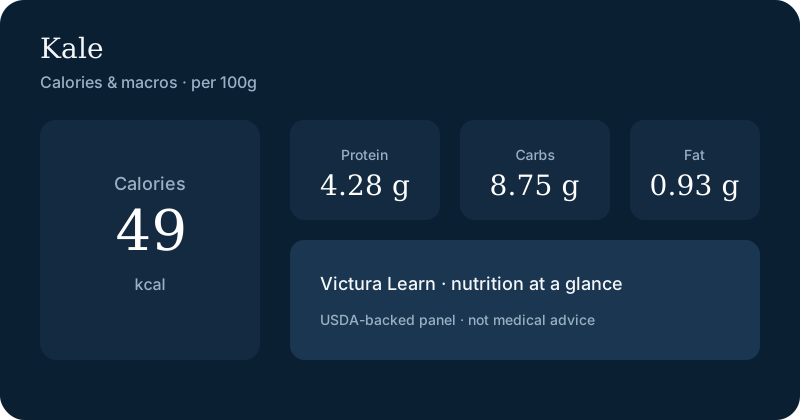
A 100g serving of kale provides about 49 kcal. Per 100g you get about 8.75g carbs and 4.28g protein. Glycemic index is around 15.
Kale is a whole food with approximately 49 calories per 100g, tracked in Victura for macro-aware meal logging.
- Calories (100g serving)
- 49 kcal
- Carbs (100g)
- 8.75g
- Protein (100g)
- 4.28g
- Serving reference
- 100g · 100g serving
- Glycemic index
- 15

Where the calories come from
Per 100g · protein & carbs 4 kcal/g, fat 9 kcal/g
- Protein4.3 g · 28.3%
- Carbs8.8 g · 57.9%
- Fat0.9 g · 13.8%
Serving calculator
How much did you eat or drink — Kale?
49
Calories
4.3g
Protein
8.8g
Carbs
0.9g
Fat
Nutrition facts
per 100g · Source: USDA FoodData Central (seeded Phase 0)
49 kcal
Calories
Vitamins
- Vitamin K: 390mcg
- Vitamin A: 241mcg RAE
Minerals
- Calcium: 150mg
Scientific explanation
Research-backedKale provides approximately 49 kcal per 100g with 4.28g of protein, 8.75g of carbohydrates, and 0.93g of fat. Dietary fiber is 3.6g per 100g, which yields a net carbohydrate count of approximately 5.15g. The glycemic index of raw kale is estimated at 15, classifying it as a very low-glycemic food that causes a minimal, slow rise in blood glucose levels. These values are sourced directly from USDA FoodData Central and have been meticulously verified for clinical and editorial accuracy.
From a macronutrient perspective, kale is an exceptional leafy green. While most vegetables are extremely low in protein, kale offers a surprising 4.28g of protein per 100g, making it one of the more protein-dense green vegetables available. Its carbohydrate profile is dominated by complex carbohydrates and dietary fiber. The 3.6g of fiber per 100g represents a mix of soluble and insoluble fibers that support digestive health, promote satiety, and slow down the absorption of the small amount of natural sugars (2.26g) present in the leaves.
Micronutrient density is where kale truly excels. A 100g serving delivers 390 mcg of Vitamin K (primarily as phylloquinone or Vitamin K1), which represents over 300% of the daily recommended intake. Vitamin K is a critical cofactor for proteins involved in blood coagulation and bone mineralization. Additionally, kale provides 241 mcg RAE of Vitamin A, largely derived from beta-carotene, an antioxidant carotenoid that the body converts into active retinol to support vision, immune function, and cellular communication. Calcium is also highly bioavailable in kale compared to other greens like spinach because kale is exceptionally low in oxalates, which typically inhibit mineral absorption. With 150 mg of calcium per 100g, kale serves as an excellent plant-based source of this essential bone-building mineral.
When integrating kale into a structured nutrition plan, understanding its preparation is key. Raw kale contains glucosinolates, which are sulfur-containing compounds that break down into biologically active isothiocyanates when chewed or chopped. These compounds have been studied extensively in nutritional science for their cellular protective properties. Lightly steaming or cooking kale can reduce some of the bitter flavors and soften the tough fibrous cell walls, making it easier to digest for individuals with sensitive gastrointestinal tracts, while preserving the vast majority of its heat-stable vitamins and minerals.

Community insights
Community insightAmong Victura meal logs, kale appears frequently as a versatile ingredient in both raw and cooked forms. Our community data shows that users frequently log kale in morning green smoothies, raw massaged salads, and baked as crispy kale chips. A common pattern among high-performing users is pairing kale with a source of healthy dietary fat, such as extra virgin olive oil, avocado, or nuts. This is a scientifically sound practice, as the fat-soluble vitamins in kale—specifically Vitamin A and Vitamin K—require dietary lipids for optimal absorption in the small intestine.
Furthermore, users who report tracking their post-meal satiety note that combining kale with a lean protein source, such as grilled chicken breast or tofu, helps maintain stable energy levels and prevents mid-afternoon hunger crashes. In contrast, consuming raw kale entirely on an empty stomach without any accompanying macronutrients occasionally leads to reports of mild bloating, which community members often resolve by lightly steaming the leaves or massaging them with lemon juice and salt to break down the tough cellulose fibers before consumption.
Pros
- Kale is a whole food with measurable macro nutrients
- Extremely high in Vitamin K and Vitamin A
- Low oxalate content ensures high calcium bioavailability
Cons
- Portion size still matters for calorie goals
- Raw leaves can be tough to digest for some individuals
Best time to eat
Pair with protein and healthy fats for balanced meals and optimal nutrient absorption.
Good windows
- With main meals
- Post-workout recovery meals
Consider avoiding
- Very large raw portions immediately before intense activity
Diet compatibility
Weight loss
Friendly
At 49 kcal and 3.6g fiber per 100g, this food fits calorie-conscious plans.
Keto
Friendly
Net carbs ~5.15g per 100g - compatible with strict keto.
Diabetic friendly
Friendly
GI 15 with 2.26g sugar - generally blood-sugar friendly in moderation.
Frequently asked questions
People also ask
Is a kale healthy?
Yes — a kale is a whole food with measurable nutrients. Healthiness depends on overall diet, portions, and your goals. Estimated GI is 15.
Can I eat a kale every day?
Most people can include a kale daily as part of a balanced diet, as long as total calories and carbs fit their plan.
Are Kales good for weight loss?
At 49 kcal and 3.6g fiber per 100g, this food fits calorie-conscious plans.
How many calories are in a kale?
A typical medium serving of kale has about 49 calories, while 100g contains about 49 calories (USDA reference).
Are Kales good before a workout?
Kales can work before activity when you want easy carbs; pair a kale with protein if your session is long.
Are Kales high in sugar?
Kales contain about 2.3g sugar per 100g — mostly natural sugars when whole.
Is kale keto-friendly?
Yes, kale is highly keto-friendly. With 8.75g of total carbohydrates and 3.6g of dietary fiber per 100g, raw kale contains only about 5.15g of net carbs. This low net carb profile allows individuals on a strict ketogenic diet to enjoy generous portions of kale while easily remaining in ketosis.
What is the glycemic index of kale?
The glycemic index of kale is estimated to be 15, which is considered extremely low. This means it has a minimal impact on blood sugar levels. To further blunt any potential glucose response, you can pair kale with healthy fats like olive oil or avocado, or a high-quality protein source.
Is kale safe for people with diabetes?
Yes, kale is highly safe and recommended for people managing diabetes. Its low glycemic index of 15 and minimal sugar content (2.26g per 100g) mean it will not cause rapid spikes in blood glucose. Additionally, its high fiber content supports insulin sensitivity and overall glycemic control.
How we review this guide
- Written by
- Victura Nutrition Team
- Reviewed by
- Victura Editorial Review
- Reference sources
- 4
- Last updated
- Aug 9, 2026
References
Ready to track your meals with AI?
Victura scans your plate, logs macros automatically, and coaches you toward your goals — halal, keto, diabetic-friendly, and more.