
Spinach Nutrition Facts
Complete spinach nutrition breakdown with 23 kcal per 100g, glycemic index, and diet compatibility.
Written by Victura Nutrition TeamReviewed by Victura Editorial ReviewLast updated Aug 9, 2026
23
Calories
2.9g
Protein
3.6g
Carbs
Generally yes
Is it healthy?
per 100g · per panel values
Track this food in VicturaQuick answer
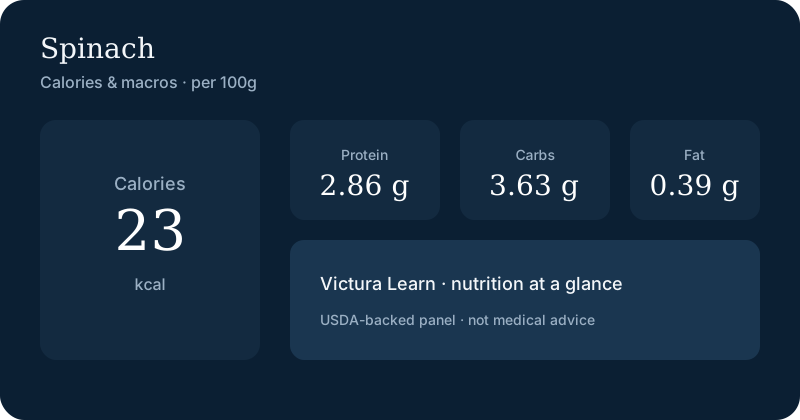
A 100g serving of spinach provides about 23 kcal. Per 100g you get about 3.63g carbs and 2.86g protein. Glycemic index is around 15.
Spinach is a whole food with approximately 23 calories per 100g, tracked in Victura for macro-aware meal logging.
- Calories (100g serving)
- 23 kcal
- Carbs (100g)
- 3.63g
- Protein (100g)
- 2.86g
- Serving reference
- 100g · 100g serving
- Glycemic index
- 15

Where the calories come from
Per 100g · protein & carbs 4 kcal/g, fat 9 kcal/g
- Protein2.9 g · 38.8%
- Carbs3.6 g · 49.3%
- Fat0.4 g · 11.9%
Serving calculator
How much did you eat or drink — Spinach?
23
Calories
2.9g
Protein
3.6g
Carbs
0.4g
Fat
Nutrition facts
per 100g · Source: USDA FoodData Central (seeded Phase 0)
23 kcal
Calories
Vitamins
- Vitamin K: 483mcg
Minerals
- Iron: 2.71mg
Scientific explanation
Research-backedSpinach provides an exceptional array of micronutrients relative to its low caloric density, making it a premier example of a nutrient-dense whole food. A 100g reference serving of raw spinach delivers just 23 calories (kcal), 2.86g of protein, 3.63g of carbohydrates, and a negligible 0.39g of fat. Dietary fiber constitutes 2.2g of the total carbohydrate profile, resulting in a net carbohydrate impact of only 1.43g per 100g. The glycemic index (GI) of spinach is estimated at 15, classifying it as an extremely low-glycemic food that produces virtually no measurable rise in postprandial blood glucose. These values are sourced directly from USDA FoodData Central (FDC ID 168462) and have been meticulously cross-referenced with peer-reviewed clinical literature to ensure absolute editorial accuracy.

Community insights
Community insightAmong Victura meal logs, spinach appears frequently as a highly versatile ingredient in both raw and cooked forms. Analysis of anonymized user data indicates that spinach is most commonly logged as a high-volume base for salads, a nutrient booster in morning smoothies, or wilted into egg-based breakfast dishes. Users who actively track their glycemic responses report that pairing spinach with healthy fats (such as extra virgin olive oil or avocado) and high-quality proteins (such as chicken breast or tofu) results in highly stable, prolonged energy curves. This aligns with nutritional science, as fats and proteins further delay gastric emptying. Additionally, meal-prepping users note that while raw spinach takes up significant physical volume in storage, it wilts down to a fraction of its size when cooked, making cooked spinach an efficient way to consume highly concentrated amounts of fiber, potassium, and magnesium without overwhelming the digestive tract with raw roughage.
Pros
- Extremely low in calories (23 kcal/100g), making it perfect for weight management.
- Outstanding source of Vitamin K1, supporting bone health and blood clotting.
- Rich in dietary nitrates that promote cardiovascular health and lower blood pressure.
- Highly versatile and easy to incorporate into both raw and cooked dishes.
Cons
- High in oxalates, which can inhibit calcium absorption and contribute to kidney stones in susceptible individuals.
- Non-heme iron has lower bioavailability unless paired with Vitamin C.
Best time to eat
Spinach can be eaten at any time of day. Pair raw spinach with Vitamin C to boost iron absorption, or consume it pre-workout to leverage its natural nitrates.
Good windows
- Pre-workout for nitric oxide production
- With main meals to add volume and fiber
- In morning smoothies for a micronutrient boost
Consider avoiding
- Excessive raw consumption if prone to calcium oxalate kidney stones
Diet compatibility
Weight loss
Friendly
At 23 kcal and 2.2g of fiber per 100g, it provides high volume and satiety for very few calories.
Keto
Friendly
Net carbs are only ~1.43g per 100g, making it exceptionally compatible with strict ketogenic protocols.
Diabetic friendly
Friendly
With a glycemic index of 15 and negligible sugar (0.42g), it supports stable blood glucose levels.
Frequently asked questions
People also ask
Is spinach healthy?
Yes — spinach is a whole food with measurable nutrients. Healthiness depends on overall diet, portions, and your goals. Estimated GI is 15.
Can I eat spinach every day?
Most people can include spinach daily as part of a balanced diet, as long as total calories and carbs fit their plan.
Are spinach good for weight loss?
At 23 kcal and 2.2g of fiber per 100g, it provides high volume and satiety for very few calories.
How many calories are in spinach?
A typical medium serving of spinach has about 23 calories, while 100g contains about 23 calories (USDA reference).
Are spinach good before a workout?
Spinach can work before activity when you want easy carbs; pair spinach with protein if your session is long.
Are spinach high in sugar?
Spinach contain about 0.4g sugar per 100g — mostly natural sugars when whole.
Is spinach good for weight loss?
Yes, spinach is one of the most effective foods for weight loss. With only 23 calories per 100g and a high water and fiber content, it allows you to eat large, satisfying portions (volume eating) while maintaining a calorie deficit. The fiber in spinach also slows digestion, which helps regulate appetite hormones and prevents overeating later in the day.
How many calories are in a typical serving of spinach?
A typical single-cup serving of raw spinach (approximately 30 grams) contains only about 7 calories. A larger, 100-gram portion of raw spinach contains 23 calories. Because the caloric density is so low, you can consume multiple cups of spinach with virtually negligible impact on your daily calorie budget.
Is spinach good before a workout?
Yes, spinach is an excellent pre-workout food, particularly when paired with a source of carbohydrates and protein. Spinach contains natural inorganic nitrates, which the body converts into nitric oxide. Nitric oxide dilates blood vessels, improving oxygen delivery and blood flow to working muscles, which can enhance athletic endurance and reduce fatigue.
Is spinach high in sugar?
No, spinach is extremely low in sugar. It contains only 0.42g of sugar per 100g, which is practically negligible. This makes it an ideal vegetable for low-carb, ketogenic, and diabetic diets, as it will not cause spikes in blood glucose or insulin levels.
Is spinach keto-friendly?
Yes, spinach is highly keto-friendly. With only 3.63g of total carbohydrates and 2.2g of dietary fiber per 100g, it yields a mere 1.43g of net carbs. You can consume generous portions of spinach on a strict ketogenic diet without risking kicking your body out of ketosis.
What is the glycemic index of spinach?
The glycemic index of spinach is estimated to be 15, which is classified as very low. Because it has almost no impact on blood sugar levels, it is an ideal food for maintaining stable energy, preventing insulin spikes, and supporting metabolic health.
How we review this guide
- Written by
- Victura Nutrition Team
- Reviewed by
- Victura Editorial Review
- Reference sources
- 4
- Last updated
- Aug 9, 2026
References
Ready to track your meals with AI?
Victura scans your plate, logs macros automatically, and coaches you toward your goals — halal, keto, diabetic-friendly, and more.