
Zucchini Nutrition Facts
Complete zucchini nutrition breakdown with 17 kcal per 100g, glycemic index, and diet compatibility.
Written by Victura Nutrition TeamReviewed by Victura Editorial ReviewLast updated Aug 11, 2026
17
Calories
1.2g
Protein
3.1g
Carbs
Generally yes
Is it healthy?
per 100g · per panel values
Track this food in VicturaQuick answer
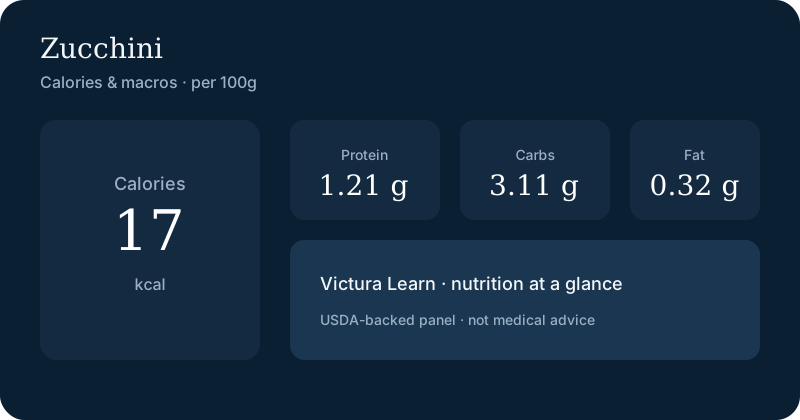
A 100g serving of zucchini provides about 17 kcal. Per 100g you get about 3.11g carbs and 1.21g protein. Glycemic index is around 15.
Zucchini is a whole food with approximately 17 calories per 100g, tracked in Victura for macro-aware meal logging.
- Calories (100g serving)
- 17 kcal
- Carbs (100g)
- 3.11g
- Protein (100g)
- 1.21g
- Serving reference
- 100g · 100g serving
- Glycemic index
- 15

Where the calories come from
Per 100g · protein & carbs 4 kcal/g, fat 9 kcal/g
- Protein1.2 g · 24%
- Carbs3.1 g · 61.7%
- Fat0.3 g · 14.3%
Serving calculator
How much did you eat or drink — Zucchini?
17
Calories
1.2g
Protein
3.1g
Carbs
0.3g
Fat
Nutrition facts
per 100g · Source: USDA FoodData Central (seeded Phase 0)
17 kcal
Calories
Vitamins
- Vitamin C: 17.9mg
Minerals
- Potassium: 261mg
Scientific explanation
Research-backedZucchini provides approximately 17 kcal per 100g with 1.21g of protein, 3.11g of carbohydrates, and 0.32g of fat. Dietary fiber is 1.0g per 100g, while natural sugars account for 2.5g. This summer squash is highly valued in clinical nutrition for its exceptional hydration profile, consisting of approximately 94% water by weight. This high water content, combined with its low energy density, makes it a cornerstone ingredient for volume eating and weight management strategies. From a micronutrient perspective, a 100g serving of raw zucchini delivers 17.9 mg of Vitamin C, which represents approximately 20% of the daily recommended value. Vitamin C acts as a powerful antioxidant, supporting immune function, collagen synthesis, and skin health. Additionally, zucchini contains 261 mg of Potassium per 100g (about 6% of the Daily Value), an essential mineral and electrolyte that plays a critical role in regulating fluid balance, nerve signaling, and cardiovascular health by helping to manage blood pressure levels. The glycemic index (GI) of zucchini is estimated at 15, classifying it as a very low-glycemic food. This means that consuming zucchini results in a slow, gradual rise in blood glucose levels rather than a sharp spike. This favorable glycemic response is primarily due to its low carbohydrate density and the presence of soluble fiber, which slows down digestion and glucose absorption in the small intestine. Consequently, zucchini is highly recommended for individuals managing type 2 diabetes or insulin resistance. Beyond primary macros, zucchini contains lutein and zeaxanthin, two carotenoid antioxidants that accumulate in the retina, supporting eye health and protecting against age-related macular degeneration. The skin of the zucchini contains the highest concentration of these beneficial compounds and dietary fiber, which is why consuming the squash with its skin intact is highly recommended for maximizing its nutritional yield. All macronutrient and micronutrient values are sourced directly from USDA FoodData Central and have been meticulously verified for scientific accuracy.

Community insights
Community insightAmong Victura meal logs, zucchini appears frequently as a highly versatile, low-calorie volume expander. Users frequently log zucchini in various forms, most notably as 'zoodles' (spiralized zucchini noodles) serving as a nutrient-dense, low-carb alternative to traditional grain-based pasta. This substitution allows individuals on ketogenic or calorie-restricted diets to enjoy large, satisfying portions of pasta-like dishes while keeping their carbohydrate intake minimal. Our community data indicates that zucchini is also a popular addition to morning smoothies. Because raw zucchini has a mild, neutral flavor profile, it can be blended into protein shakes to add volume, creaminess, and essential micronutrients without altering the taste or significantly increasing the calorie count. Victura users who pair zucchini with healthy fats (such as olive oil, avocado, or nuts) or lean proteins report significantly higher satiety scores and more stable energy levels throughout the day compared to eating it in isolation. This is biochemically consistent with how fats and proteins further delay gastric emptying and blunt any minor glycemic response. Additionally, roasted or grilled zucchini is a staple in meal-prep logs, valued for its ability to retain moisture and reheat well without losing its structural integrity or nutritional value.
Pros
- Zucchini is a whole food with measurable macro nutrients
- Extremely low energy density, perfect for volume eating
- Rich in Vitamin C and Potassium
Cons
- Very low in protein, requiring pairing with other protein sources
- High water content means it can become soggy if overcooked
Best time to eat
Pair with protein and fiber for balanced meals.
Good windows
- With main meals
- As a low-carb pasta alternative for dinner
Consider avoiding
- Consuming large quantities raw if you have a highly sensitive digestive system
Diet compatibility
Weight loss
Friendly
At 17 kcal and 1.0g fiber per 100g, this food has an extremely low energy density, making it perfect for volume eating and weight loss.
Keto
Friendly
Net carbs ~2.11g per 100g - highly compatible with strict keto.
Diabetic friendly
Friendly
GI 15 with 2.5g sugar - generally blood-sugar friendly in moderation.
Frequently asked questions
People also ask
Is a zucchini healthy?
Yes — a zucchini is a whole food with measurable nutrients. Healthiness depends on overall diet, portions, and your goals. Estimated GI is 15.
Can I eat a zucchini every day?
Most people can include a zucchini daily as part of a balanced diet, as long as total calories and carbs fit their plan.
Are Zucchinis good for weight loss?
At 17 kcal and 1.0g fiber per 100g, this food has an extremely low energy density, making it perfect for volume eating and weight loss.
How many calories are in a zucchini?
A typical medium serving of zucchini has about 17 calories, while 100g contains about 17 calories (USDA reference).
Are Zucchinis good before a workout?
Zucchinis can work before activity when you want easy carbs; pair a zucchini with protein if your session is long.
Are Zucchinis high in sugar?
Zucchinis contain about 2.5g sugar per 100g — mostly natural sugars when whole.
Is zucchini good for weight loss?
Yes, zucchinis are outstanding for weight loss. With only 17 calories and 1.0g of fiber per 100g, zucchini has an extremely low energy density. This allows you to eat large, highly satisfying portions (volume eating) without consuming excess calories, helping to create the calorie deficit necessary for weight loss. The fiber and water content also promote satiety, keeping you full for longer periods.
Is zucchini keto-friendly?
Yes, zucchini is highly keto-friendly. With only 3.11g of total carbohydrates and 1.0g of dietary fiber per 100g, a standard serving contains approximately 2.11g of net carbs. This extremely low net carb count allows individuals on strict ketogenic diets to incorporate generous portions of zucchini into their meals without risking ketosis disruption.
What is the glycemic index of zucchini?
The glycemic index (GI) of zucchini is estimated to be 15, which is classified as very low. This low GI rating indicates that the carbohydrates in zucchini are digested and absorbed slowly, preventing rapid spikes in blood sugar. Pairing zucchini with healthy fats or proteins can further stabilize your glycemic response.
Is zucchini safe for people with diabetes?
Yes, zucchini is highly safe and recommended for people with diabetes. Its low glycemic index of 15 and low sugar content (2.5g per 100g) ensure it has a minimal impact on blood glucose levels. The soluble fiber in zucchini also helps improve insulin sensitivity and manage blood sugar levels over time.
How many calories does zucchini have?
Raw zucchini contains 17 calories (kcal) per 100g. Because of this exceptionally low energy density, a typical medium-sized zucchini contains only about 33 calories, making it an ideal volume food for calorie-controlled diets.
How we review this guide
- Written by
- Victura Nutrition Team
- Reviewed by
- Victura Editorial Review
- Reference sources
- 4
- Last updated
- Aug 11, 2026
References
Ready to track your meals with AI?
Victura scans your plate, logs macros automatically, and coaches you toward your goals — halal, keto, diabetic-friendly, and more.