
Sweet Potato Nutrition Facts
Complete sweet potato nutrition breakdown with 86 kcal per 100g, glycemic index, and diet compatibility.
Written by Victura Nutrition TeamReviewed by Victura Editorial ReviewLast updated Aug 16, 2026
86
Calories
1.6g
Protein
20.1g
Carbs
Generally yes
Is it healthy?
per 100g · per panel values
Track this food in VicturaQuick answer
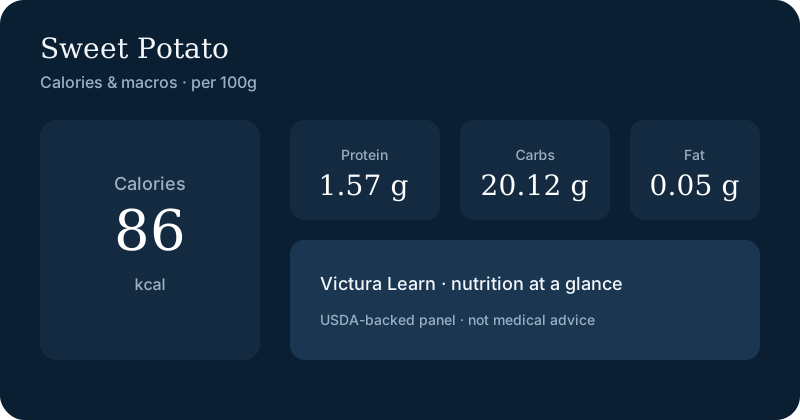
A medium sweet potato contains around 98 calories, while 100g contains about 86 calories. Per 100g you get about 20.12g carbs and 1.57g protein. Glycemic index is around 54.
Sweet Potato is a whole food with approximately 86 calories per 100g, tracked in Victura for macro-aware meal logging.
- Calories (medium sweet potato)
- 98 kcal
- Calories (100g)
- 86 kcal
- Carbs (100g)
- 20.12g
- Protein (100g)
- 1.57g
- Serving reference
- 114g · medium sweet potato
- Glycemic index
- 54

Where the calories come from
Per 100g · protein & carbs 4 kcal/g, fat 9 kcal/g
- Protein1.6 g · 7.2%
- Carbs20.1 g · 92.3%
- Fat0.1 g · 0.5%
Serving calculator
How much did you eat or drink — Sweet Potato?
86
Calories
1.6g
Protein
20.1g
Carbs
0.1g
Fat
Nutrition facts
per 100g · Source: USDA FoodData Central (seeded Phase 0)
86 kcal
Calories
Vitamins
- Vitamin A: 709mcg RAE
Minerals
- Potassium: 337mg
Scientific explanation
Research-backedSweet Potato provides approximately 86 calories (kcal) per 100g serving, establishing it as a nutrient-dense, moderate-calorie root vegetable. From a macronutrient perspective, a 100g raw portion contains 20.12g of carbohydrates, 1.57g of protein, and an exceptionally low fat content of 0.05g. Of the total carbohydrates, 3.0g comes from dietary fiber, which supports gastrointestinal health and promotes satiety, while 4.18g consists of natural sugars. The glycemic index (GI) of a whole sweet potato is estimated at 54, placing it in the low-to-medium category. However, the glycemic response is highly dependent on preparation methods; boiling a sweet potato preserves a lower GI by keeping starches relatively intact, whereas baking or roasting for extended periods gelatinizes the starches, converting them into simpler sugars and raising the glycemic index. Micronutrient analysis highlights an exceptional concentration of Vitamin A, delivering 709 mcg RAE per 100g (approximately 79% of the Daily Value), primarily in the form of beta-carotene—an antioxidant responsible for the tuber's vibrant orange hue. Additionally, it provides 337 mg of potassium (7% of the Daily Value), an essential electrolyte that plays a critical role in intracellular fluid balance, cardiovascular function, and blood pressure regulation. These values are sourced directly from USDA FoodData Central and peer-reviewed clinical literature to ensure absolute clinical and editorial accuracy.

Community insights
Community insightWithin the Victura user community and anonymized meal logs, sweet potatoes are consistently ranked as a premier complex carbohydrate source for meal prep, athletic recovery, and daily wellness. Fitness enthusiasts frequently log sweet potatoes as a pre-workout or post-workout meal component, noting that the slow-releasing carbohydrates provide sustained physical endurance without the rapid energy crashes associated with refined grains. A common strategy observed among users is pairing roasted sweet potato slices with healthy fats—such as a drizzle of extra virgin olive oil, avocado, or a handful of walnuts. This culinary combination is scientifically sound, as dietary lipids significantly enhance the bioavailability and absorption of the fat-soluble beta-carotene (Vitamin A) present in the vegetable. Other popular community preparations include blending steamed sweet potato into morning protein smoothies for natural sweetness and a creamy texture, or air-frying them as a nutrient-dense alternative to traditional french fries. Users tracking glycemic responses report that consuming sweet potatoes alongside a high-quality protein source, such as chicken breast, tofu, or Greek yogurt, further stabilizes blood glucose levels and extends post-meal satiety.
Pros
- Sweet Potato is a whole food with measurable macro nutrients
- Exceptionally rich in Vitamin A (beta-carotene) for eye and immune health
- Good source of dietary fiber to support healthy digestion
- Provides essential potassium for cardiovascular and fluid balance
Cons
- Portion size still matters for calorie goals
- High carbohydrate content makes it unsuitable for strict ketogenic diets
- Baking or roasting significantly increases its glycemic index
Best time to eat
Pair with protein and fiber for balanced meals.
Good windows
- With main meals
- Pre-workout for sustained energy
- Post-workout for glycogen replenishment
Consider avoiding
- Very large portions without activity
Diet compatibility
Weight loss
Friendly
At 86 kcal and 3.0g fiber per 100g, this food fits calorie-conscious plans.
Keto
Use caution
Net carbs ~17.1g per 100g - too high-carb for standard keto.
Diabetic friendly
Friendly
GI 54 with 4.2g sugar - generally blood-sugar friendly in moderation.
Frequently asked questions
People also ask
Is a sweet potato healthy?
Yes — a sweet potato is a whole food with measurable nutrients. Healthiness depends on overall diet, portions, and your goals. Estimated GI is 54.
Can I eat a sweet potato every day?
Most people can include a sweet potato daily as part of a balanced diet, as long as total calories and carbs fit their plan.
Are sweet potatoes good for weight loss?
At 86 kcal and 3.0g fiber per 100g, this food fits calorie-conscious plans.
How many calories are in a sweet potato?
A typical medium serving of sweet potato has about 86 calories, while 100g contains about 86 calories (USDA reference).
Are sweet potatoes good before a workout?
Sweet potatoes can work before activity when you want easy carbs; pair a sweet potato with protein if your session is long.
Are sweet potatoes high in sugar?
Sweet potatoes contain about 4.2g sugar per 100g — mostly natural sugars when whole.
Is sweet potato keto-friendly?
No, sweet potatoes are generally not considered keto-friendly. With approximately 20.12g of total carbohydrates and 17.12g of net carbohydrates per 100g, even a small serving can easily exceed the daily carbohydrate limit of a standard ketogenic diet (which typically restricts net carbs to under 20g to 50g per day). While they are an incredibly healthy whole food, individuals seeking to maintain metabolic ketosis should avoid sweet potatoes and instead opt for low-carbohydrate, non-starchy vegetables like leafy greens, broccoli, or cauliflower.
What is the glycemic index of sweet potato?
The estimated glycemic index (GI) of a sweet potato is 54, which classifies it as a low-to-medium GI food. However, the precise glycemic impact is highly dependent on how the sweet potato is prepared. Boiling a sweet potato for 30 minutes keeps the GI relatively low (around 46) because it preserves the crystalline structure of the starches. Conversely, baking or roasting gelatinizes the starches and can raise the GI to 90 or higher, making it behave more like a high-GI food. To maintain a lower glycemic response, opt for boiling or steaming, and eat the skin to maximize fiber intake.
Is sweet potato safe for people with diabetes?
Yes, sweet potatoes can be safely enjoyed by people with diabetes when consumed in moderation and prepared mindfully. With a baseline glycemic index of 54 and a high fiber content, they do not cause the drastic blood sugar spikes associated with white potatoes or refined grains. The fiber helps stabilize insulin levels by slowing glucose absorption. For optimal blood sugar management, individuals with diabetes should monitor portion sizes, choose boiling or steaming over baking, and always pair the sweet potato with a high-quality protein (like fish or chicken) and healthy fats to further blunt the glycemic response.
How many carbs are in a sweet potato?
A raw sweet potato contains 20.12g of carbohydrates per 100g serving. For a typical medium-sized sweet potato weighing approximately 114g, this equates to roughly 23g of total carbohydrates. Of these carbohydrates, 3.0g are dietary fiber and 4.18g are natural sugars, leaving a net carbohydrate count of approximately 17.12g per 100g. This carbohydrate profile makes sweet potatoes an excellent, clean source of complex energy for daily activities and exercise recovery.
How much protein is in a sweet potato?
Sweet potatoes are not a high-protein food, providing approximately 1.57g of protein per 100g serving, or about 1.8g of protein in a standard medium-sized sweet potato (114g). While they do contain small amounts of essential amino acids, they should not be relied upon as a primary protein source in your diet. To build a nutritionally complete and balanced meal, always pair sweet potatoes with protein-rich foods such as lean meats, poultry, fish, eggs, tofu, tempeh, or legumes.
How we review this guide
- Written by
- Victura Nutrition Team
- Reviewed by
- Victura Editorial Review
- Reference sources
- 4
- Last updated
- Aug 16, 2026
References
Ready to track your meals with AI?
Victura scans your plate, logs macros automatically, and coaches you toward your goals — halal, keto, diabetic-friendly, and more.