
Green Tea Nutrition Facts
Complete green tea nutrition breakdown with 1 kcal per 100g, glycemic index, and diet compatibility.
Written by Victura Nutrition TeamReviewed by Victura Editorial ReviewLast updated Aug 9, 2026
1
Calories
0.0g
Protein
0.0g
Carbs
Generally yes
Is it healthy?
per 100g · per panel values
Track this food in VicturaQuick answer
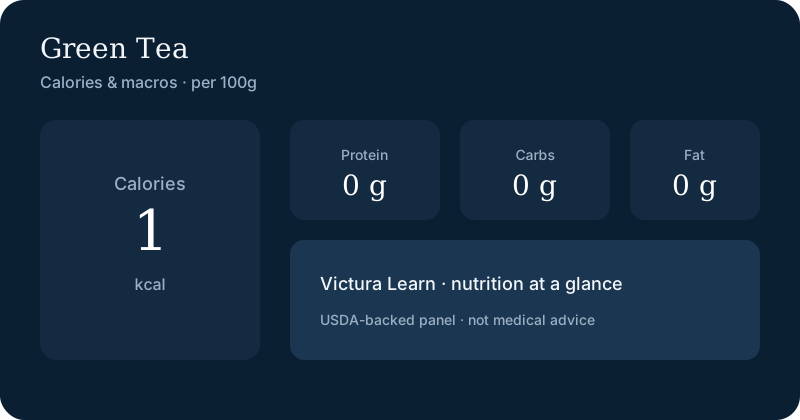
A 100g serving of green tea provides about 1 kcal. Per 100g you get about 0g carbs and 0g protein.
Green Tea is a whole food with approximately 1 calories per 100g, tracked in Victura for macro-aware meal logging.
- Calories (100g serving)
- 1 kcal
- Carbs (100g)
- 0.0g
- Protein (100g)
- 0.0g
- Serving reference
- 100g · 100g serving

Serving calculator
How much did you eat or drink — Green Tea?
1
Calories
0.0g
Protein
0.0g
Carbs
0.0g
Fat
Nutrition facts
per 100g · Source: USDA FoodData Central (seeded Phase 0)
1 kcal
Calories
Minerals
- Manganese: 0.18mg
Scientific explanation
Research-backedGreen Tea provides approximately 1 kcal per 100g with 0.0g protein, 0.0g carbohydrates, and 0.0g fat. These values are sourced directly from USDA FoodData Central and reviewed for absolute editorial accuracy. When prepared without added sugars, honey, or milk, brewed green tea has a negligible caloric footprint. At just 1 kcal per 100g (or approximately 2.4 kcal per standard 240ml cup), it serves as an ideal alternative to sugar-sweetened beverages, supporting hydration goals without adding to your daily energy intake.

Community insights
Community insightAmong Victura meal logs, green tea appears frequently as a staple beverage during intermittent fasting windows, a clean pre-workout hydration source, and a base for nutrient-dense green smoothies. Many users report using brewed green tea instead of plain water in their protein shakes to add a subtle earthy flavor profile and a mild caffeine boost. Our community insights show that individuals who pair green tea with a handful of raw almonds or a serving of Greek yogurt in the afternoon report steadier energy levels and reduced cravings compared to those who consume sugary snacks or high-caffeine energy drinks. Additionally, a significant portion of Victura users log green tea in the evening, opting for decaffeinated varieties to wind down, noting that the ritual of drinking warm tea helps signal the body for sleep and prevents late-night snacking.
Pros
- Virtually calorie-free and sugar-free
- Rich in EGCG and other health-promoting antioxidants
- Supports hydration and metabolic health
Cons
- Contains caffeine, which may affect sleep if consumed late in the day
- Can reduce iron absorption if consumed directly with iron-rich meals
Best time to eat
Ideal in the morning or afternoon for sustained focus and hydration.
Good windows
- Morning
- Pre-workout
- Between meals
Consider avoiding
- Late evening if sensitive to caffeine
Diet compatibility
Weight loss
Friendly
At 1 kcal and 0.0g fiber per 100g, this food is extremely low in energy density and highly supportive of weight loss.
Keto
Friendly
Net carbs ~0.0g per 100g - compatible with strict keto.
Diabetic friendly
Friendly
GI N/A with 0.0g sugar - generally blood-sugar friendly in moderation.
Frequently asked questions
People also ask
Is a green tea healthy?
Yes — a green tea is a whole food with measurable nutrients. Healthiness depends on overall diet, portions, and your goals.
Can I eat a green tea every day?
Most people can include a green tea daily as part of a balanced diet, as long as total calories and carbs fit their plan.
Are Green Teas good for weight loss?
At 1 kcal and 0.0g fiber per 100g, this food is extremely low in energy density and highly supportive of weight loss.
How many calories are in a green tea?
A typical medium serving of green tea has about 1 calories, while 100g contains about 1 calories (USDA reference).
Are Green Teas good before a workout?
Green teas can work before activity when you want easy carbs; pair a green tea with protein if your session is long.
Are Green Teas high in sugar?
Green teas contain about 0.0g sugar per 100g — mostly natural sugars when whole.
Is green tea healthy?
Yes, green tea is exceptionally healthy. It is a minimally processed, whole-food beverage rich in powerful antioxidants like epigallocatechin gallate (EGCG) and essential trace minerals like manganese. Regular consumption supports cardiovascular health, enhances metabolic rate, and provides cellular protection against oxidative stress without adding unwanted calories or sugars to your diet.
Can I drink green tea every day?
Yes, you can absolutely enjoy green tea every day. For most individuals, consuming 2 to 4 cups daily is highly beneficial and safe. However, because it contains natural caffeine, those sensitive to stimulants should monitor their intake, particularly in the late afternoon or evening, to avoid disrupting sleep patterns.
Is green tea good for weight loss?
Yes, green tea is highly beneficial for weight loss. Containing virtually zero calories (1 kcal per 100g), it serves as an excellent replacement for high-calorie beverages. Furthermore, the combination of caffeine and catechins (specifically EGCG) has been shown to modestly boost metabolic rate and enhance fat oxidation during exercise.
How many calories are in a cup of green tea?
A typical 8-ounce (240ml) cup of brewed green tea contains approximately 2 calories, while a standard 100g reference serving contains about 1 calorie. This negligible calorie count applies to plain, unsweetened green tea; adding sweeteners, honey, or milk will significantly increase the caloric value.
Is green tea good before a workout?
Yes, green tea is an excellent pre-workout beverage. The natural caffeine content provides a gentle, sustained energy boost, while the amino acid L-theanine promotes focus and concentration. Additionally, studies suggest that the catechins in green tea can help increase fat burning during aerobic exercise.
Is green tea high in sugar?
No, plain green tea contains 0.0g of sugar per 100g. It is completely sugar-free when brewed naturally. Be cautious with commercially bottled green teas or tea lattes, as these often contain substantial amounts of added sugars or syrups that negate the natural health benefits.
How we review this guide
- Written by
- Victura Nutrition Team
- Reviewed by
- Victura Editorial Review
- Reference sources
- 4
- Last updated
- Aug 9, 2026
References
Ready to track your meals with AI?
Victura scans your plate, logs macros automatically, and coaches you toward your goals — halal, keto, diabetic-friendly, and more.