
Orange Nutrition Facts
Complete orange nutrition breakdown with 47 kcal per 100g, glycemic index, and diet compatibility.
Written by Victura Nutrition TeamReviewed by Victura Editorial ReviewLast updated Aug 9, 2026
47
Calories
0.9g
Protein
11.8g
Carbs
Generally yes
Is it healthy?
per 100g · per panel values
Track this food in VicturaQuick answer
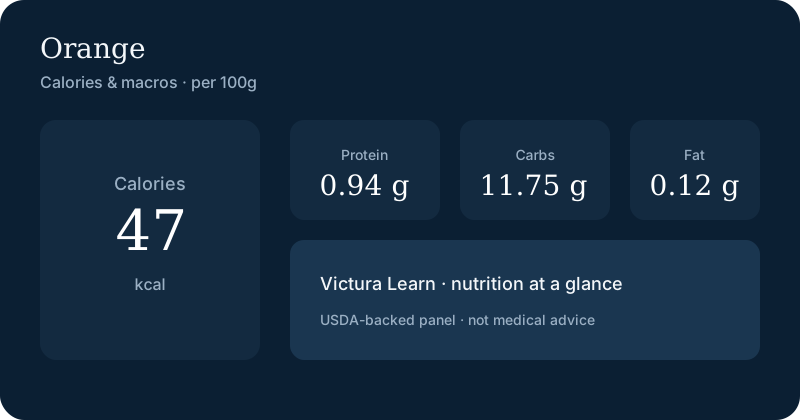
A medium orange contains around 62 calories, while 100g contains about 47 calories. Per 100g you get about 11.75g carbs and 0.94g protein. Glycemic index is around 43.
Orange is a whole food with approximately 47 calories per 100g, tracked in Victura for macro-aware meal logging.
- Calories (medium orange)
- 62 kcal
- Calories (100g)
- 47 kcal
- Carbs (100g)
- 11.75g
- Protein (100g)
- 0.94g
- Serving reference
- 131g · medium orange
- Glycemic index
- 43

Where the calories come from
Per 100g · protein & carbs 4 kcal/g, fat 9 kcal/g
- Protein0.9 g · 7.3%
- Carbs11.8 g · 90.7%
- Fat0.1 g · 2.1%
Serving calculator
How much did you eat or drink — Orange?
47
Calories
0.9g
Protein
11.8g
Carbs
0.1g
Fat
Nutrition facts
per 100g · Source: USDA FoodData Central (seeded Phase 0)
47 kcal
Calories
Vitamins
- Vitamin C: 53.2mg
Minerals
- Potassium: 181mg
Scientific explanation
Research-backedOrange provides approximately 47 kcal per 100g, making it a highly nutrient-dense, low-calorie citrus fruit. A detailed macronutrient breakdown reveals 0.94g of protein, 11.75g of carbohydrates, and an extremely low fat content of 0.12g per 100g. Of the total carbohydrates, dietary fiber accounts for 2.4g, which plays a critical role in slowing down digestion, supporting gastrointestinal health, and feeding beneficial gut bacteria. The remaining carbohydrate content is primarily composed of natural sugars (9.35g per 100g), including sucrose, glucose, and fructose. The micronutrient profile of an orange is highly distinguished, particularly by its exceptional Vitamin C content. Providing 53.2mg of Vitamin C per 100g, a single standard serving delivers approximately 59% of the daily recommended value. Vitamin C is a potent water-soluble antioxidant that supports immune function, collagen synthesis, and enhances non-heme iron absorption from plant-based foods. Additionally, oranges provide 181mg of potassium per 100g (4% of the Daily Value), an essential electrolyte involved in regulating blood pressure, fluid balance, and muscle contractions. From a metabolic perspective, the glycemic index (GI) of a whole orange is estimated at 43, classifying it firmly within the low-glycemic category. This low GI is primarily attributed to the presence of soluble fiber (such as pectin) and organic acids (like citric acid), which delay gastric emptying and moderate the rate of glucose absorption into the bloodstream. Consequently, consuming whole oranges results in a gradual, sustained rise in blood glucose levels rather than the rapid spikes associated with refined carbohydrates or processed fruit juices. Peer-reviewed clinical studies confirm that the cellular structure of whole citrus fruits preserves fiber-matrix integrity, which is vital for metabolic health and appetite regulation.

Community insights
Community insightWithin the Victura community and anonymized meal logs, the orange is frequently logged as a highly versatile, portable whole-food snack and a vibrant ingredient in diverse meal prep routines. Analysis of user habits indicates that oranges are most commonly consumed during mid-morning or mid-afternoon transition periods when individuals seek a natural energy boost without heavy preparation. A prominent trend among Victura users is the strategic pairing of oranges with macronutrient-dense foods to optimize satiety and glycemic response. For instance, logging data shows that pairing orange slices with Greek yogurt, cottage cheese, or a handful of raw almonds or walnuts is highly popular. Users who adopt these pairing strategies consistently report more stable, long-lasting energy levels and reduced subsequent cravings compared to those who consume oranges in isolation on an empty stomach. In culinary applications, the community frequently utilizes both the flesh and the zest of the orange. It serves as a natural sweetener in homemade vinaigrettes, a refreshing addition to spinach and kale salads, and a flavor enhancer for roasted poultry or tofu dishes. In fitness-focused cohorts, runners and cyclists frequently log whole oranges as an easily digestible pre-workout or intra-workout carbohydrate source, noting that the high water content (approximately 86%) assists with hydration during moderate-intensity training sessions. The community consensus highlights the orange as a staple for clean eating, emphasizing its convenience and refreshing taste profile.
Pros
- Orange is a whole food with measurable macro nutrients
- Extremely high in antioxidant Vitamin C (59% DV per 100g)
- Low glycemic index (43) supports stable blood sugar
Cons
- Portion size still matters for calorie goals
- Too high in carbohydrates for strict ketogenic diets
Best time to eat
Pair with protein and fiber for balanced meals.
Good windows
- With main meals
- Pre-workout for quick energy
Consider avoiding
- Very large portions without activity
Diet compatibility
Weight loss
Friendly
At 47 kcal and 2.4g fiber per 100g, this food fits calorie-conscious plans.
Keto
Use caution
Net carbs ~9.35g per 100g - too high-carb for standard keto.
Diabetic friendly
Friendly
GI 43 with 9.35g sugar - generally blood-sugar friendly in moderation.
Frequently asked questions
People also ask
Is an orange healthy?
Yes — an orange is a whole food with measurable nutrients. Healthiness depends on overall diet, portions, and your goals. Estimated GI is 43.
Can I eat an orange every day?
Most people can include an orange daily as part of a balanced diet, as long as total calories and carbs fit their plan.
Are Oranges good for weight loss?
At 47 kcal and 2.4g fiber per 100g, this food fits calorie-conscious plans.
How many calories are in an orange?
A typical medium serving of orange has about 47 calories, while 100g contains about 47 calories (USDA reference).
Are Oranges good before a workout?
Oranges can work before activity when you want easy carbs; pair an orange with protein if your session is long.
Are Oranges high in sugar?
Oranges contain about 9.3g sugar per 100g — mostly natural sugars when whole.
Is orange good for weight loss?
Yes, oranges are an excellent addition to a weight loss regimen. At 47 calories per 100g and containing 2.4g of fiber, they provide volume and satiety without a high caloric cost. The fiber content helps regulate appetite, while the natural sweetness satisfies sugar cravings in a healthy, nutrient-dense format.
Is orange keto-friendly?
No, whole oranges are generally not considered keto-friendly. With approximately 9.35g of net carbohydrates per 100g (11.75g total carbs minus 2.4g fiber), a single medium orange can easily exceed half of the typical daily carbohydrate limit (20-50g) on a strict ketogenic diet. Those adhering to keto may prefer small portions of lower-carb berries.
What is the glycemic index of orange?
The glycemic index (GI) of a whole orange is estimated at 43, which is classified as low. This low glycemic response is due to the fruit's soluble fiber content and organic acids, which slow down digestion and glucose absorption. To further blunt any potential glycemic impact, you can pair an orange with a source of protein or healthy fat.
Is orange safe for people with diabetes?
Yes, whole oranges are safe and beneficial for most people with diabetes when consumed in moderation. With a low glycemic index of 43 and a moderate glycemic load, they do not cause rapid blood sugar spikes. The fiber content (2.4g per 100g) helps stabilize blood glucose. It is recommended to eat the whole fruit rather than drinking orange juice, and to monitor portion sizes.
How we review this guide
- Written by
- Victura Nutrition Team
- Reviewed by
- Victura Editorial Review
- Reference sources
- 4
- Last updated
- Aug 9, 2026
References
Ready to track your meals with AI?
Victura scans your plate, logs macros automatically, and coaches you toward your goals — halal, keto, diabetic-friendly, and more.