
Sweet Potato Vs Potato: Nutrition, Calories & Best Choice
A comprehensive comparison of calories, macronutrients, and vitamins
Written by Victura Nutrition TeamReviewed by Victura Editorial ReviewLast updated Jul 18, 2026


Quick answer
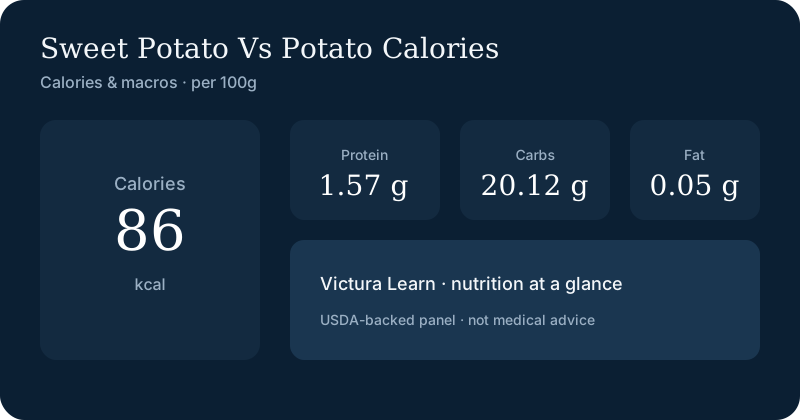
A 100g serving of sweet potato vs potato provides about 86 kcal. Per 100g you get about 20.12g carbs and 1.57g protein. Glycemic index is around 54.
Sweet Potato Vs Potato is a whole food with approximately 86 calories per 100g, tracked in Victura for macro-aware meal logging.
- Calories (100g serving)
- 86 kcal
- Carbs (100g)
- 20.12g
- Protein (100g)
- 1.57g
- Serving reference
- 100g · 100g serving
- Glycemic index
- 54
Nutritional Analysis: Sweet Potato Vs Potato
Research-backedSweet Potato Vs Potato provides a fascinating nutritional comparison for anyone looking to optimize their diet. When comparing their energy density, a typical whole medium sweet potato (approx. 150g) contains about 130 calories, whereas a medium white potato contains roughly 165 calories. On a standardized basis, raw sweet potato provides 86.0 calories per 100g. Its macronutrient profile consists of 20.12g of carbohydrates, 1.57g of protein, and an extremely low fat content of 0.05g per 100g. Out of the total carbohydrates, 3.0g comes from dietary fiber, leaving a net carb count of approximately 17.12g, which makes it less suitable for strict ketogenic diets. However, with a moderate glycemic index (GI) of 54 and 4.18g of natural sugars per 100g, it remains highly compatible with diabetic-friendly meal plans when consumed in moderation. Micronutrient analysis reveals an exceptional concentration of Vitamin A, delivering 709 mcg RAE (79% of the Daily Value) per 100g, alongside 337 mg of Potassium (7% of the Daily Value) which supports cardiovascular health and fluid balance.
Real-World Usage and Fitness Insights
Community insightAccording to anonymized meal logs from the Victura community, fitness enthusiasts frequently debate the merits of a sweet potato vs potato. Many endurance athletes prefer sweet potatoes as a pre-workout meal due to their lower glycemic index (54) and sustained carbohydrate release. Conversely, lifters often log white potatoes post-workout to trigger a faster insulin response for glycogen replenishment. Both tubers are highly valued for their satiety index, helping users stay full while managing their calorie targets on weight loss plans.
References
Frequently asked questions
People also ask
Is a sweet potato vs potato healthy?
Yes — a sweet potato vs potato is a whole food with measurable nutrients. Healthiness depends on overall diet, portions, and your goals. Estimated GI is 54.
Can I eat a sweet potato vs potato every day?
Most people can include a sweet potato vs potato daily as part of a balanced diet, as long as total calories and carbs fit their plan.
Are Sweet Potato Vs Potatos good for weight loss?
Sweet potato vs potatos can fit a calorie-controlled diet when portions are measured.
How many calories are in a sweet potato vs potato?
A typical medium serving of sweet potato vs potato has about 86 calories, while 100g contains about 86 calories (USDA reference).
Are Sweet Potato Vs Potatos good before a workout?
Sweet potato vs potatos can work before activity when you want easy carbs; pair a sweet potato vs potato with protein if your session is long.
Are Sweet Potato Vs Potatos high in sugar?
Sweet potato vs potatos contain about 4.2g sugar per 100g — mostly natural sugars when whole.
Is a sweet potato healthier than a white potato?
Both options offer unique health benefits. Sweet potatoes are exceptionally high in Vitamin A (providing 709 mcg RAE or 79% DV per 100g) and have a slightly lower glycemic index. White potatoes, however, typically offer slightly more potassium and essential amino acids. Choosing between them depends on your specific micronutrient and glycemic goals.
Can you eat sweet potatoes or white potatoes every day?
Yes, you can safely enjoy either option daily as part of a balanced diet. Sweet potatoes provide excellent fiber (3.0g per 100g) and antioxidants, while white potatoes offer clean, easily digestible carbohydrates. Be mindful of preparation methods, as deep-frying or adding heavy butter increases the calorie density significantly.
Which is better for weight loss, a sweet potato vs potato?
Sweet potatoes are often preferred for weight loss because their 3.0g of fiber per 100g promotes satiety, and they have a moderate glycemic index of 54. However, plain boiled white potatoes are also incredibly filling. Both can fit into a weight loss plan when tracked properly using a tool like the Victura Calorie Calculator.
How many calories are in one medium sweet potato vs potato?
A typical medium sweet potato (approx. 150g) contains about 130 calories, while a medium white potato contains about 165 calories. Per 100g, raw sweet potato contains exactly 86.0 calories, making both options relatively low in calorie density when prepared without added fats.
Should I eat a sweet potato vs potato before a workout?
A sweet potato is an excellent pre-workout choice because its moderate glycemic index (54) provides sustained energy without a rapid blood sugar crash. White potatoes, which digest more quickly, are often preferred post-workout to rapidly restore depleted muscle glycogen.
Does a sweet potato have high sugar compared to a regular potato?
A sweet potato contains more natural sugars (4.18g per 100g) than a regular white potato. However, because of its high fiber content (3.0g per 100g), it has a moderate glycemic index of 54, meaning it does not cause rapid blood sugar spikes when eaten in sensible portions.
How we review this guide
- Written by
- Victura Nutrition Team
- Reviewed by
- Victura Editorial Review
- Reference sources
- 4
- Last updated
- Jul 18, 2026
Ready to track your meals with AI?
Victura scans your plate, logs macros automatically, and coaches you toward your goals — halal, keto, diabetic-friendly, and more.