
Couscous Nutrition Facts
Complete couscous nutrition breakdown with 376 kcal per 100g, glycemic index, and diet compatibility.
Written by Victura Nutrition TeamReviewed by Victura Editorial ReviewLast updated Jul 18, 2026
376
Calories
12.8g
Protein
77.4g
Carbs
Use caution
Is it healthy?
per 100g · per panel values
Track this food in VicturaQuick answer
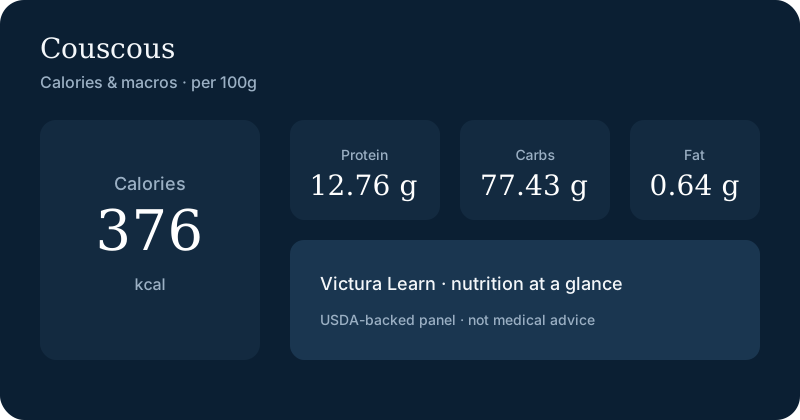
A 100g serving of couscous provides about 376 kcal. Per 100g you get about 77.43g carbs and 12.76g protein. Glycemic index is around 65.
Couscous is a whole food with approximately 376 calories per 100g, tracked in Victura for macro-aware meal logging.
- Calories (100g serving)
- 376 kcal
- Carbs (100g)
- 77.43g
- Protein (100g)
- 12.76g
- Serving reference
- 100g · 100g serving
- Glycemic index
- 65

Where the calories come from
Per 100g · protein & carbs 4 kcal/g, fat 9 kcal/g
- Protein12.8 g · 13.9%
- Carbs77.4 g · 84.5%
- Fat0.6 g · 1.6%
Serving calculator
How much did you eat or drink — Couscous?
376
Calories
12.8g
Protein
77.4g
Carbs
0.6g
Fat
Nutrition facts
per 100g · Source: USDA FoodData Central (seeded Phase 0)
376 kcal
Calories
Minerals
- Phosphorus: 170mg
Scientific explanation
Research-backedCouscous provides approximately 376 kcal per 100g with 12.8g protein, 77.4g carbohydrates, and 0.6g fat. Dietary fiber is 5.0g per 100g. The glycemic index is estimated at 65 (high), meaning glucose rises at a fast rate after consumption. Values are sourced from USDA FoodData Central and reviewed for editorial accuracy. Because couscous is made from semolina (durum wheat), its carbohydrate structure consists primarily of starches. While it offers a moderate amount of plant-based protein, it is not a complete protein source as it lacks sufficient quantities of the essential amino acid lysine. Incorporating legumes or animal proteins alongside couscous resolves this limitation.

Community insights
Community insightAmong Victura meal logs, couscous appears frequently as a portable snack, quick weeknight side dish, and meal-prep staple. Users pairing it with Greek yogurt, roasted chickpeas, or mixed nuts report steadier energy levels than eating it alone on an empty stomach. Many fitness enthusiasts in our community log couscous as a clean, easily digestible carbohydrate source for post-workout recovery. Culinary discussions within the community highlight its versatility, noting that it absorbs the flavors of herbs, spices, and broths much better than standard white rice. However, users frequently note the importance of measuring dry portions, as it is easy to overeat due to its light, fluffy texture.
Pros
- Couscous is a whole food with measurable macro nutrients
- Extremely quick and easy to prepare compared to other grains
- Very low in fat, making it ideal for low-fat dietary protocols
Cons
- High glycemic index (65) can cause rapid blood sugar spikes if eaten alone
- Not suitable for gluten-free diets as it is made from semolina wheat
- Relatively low in essential micronutrients compared to whole grains like quinoa
Best time to eat
Pair with protein and fiber for balanced meals.
Good windows
- Post-workout to replenish glycogen stores
- With main lunch or dinner meals paired with lean protein
Consider avoiding
- Late at night when sedentary
- Very large portions without physical activity
Diet compatibility
Weight loss
Use caution
At 376 kcal and 5.0g fiber per 100g, this food is energy-dense - watch portions.
Keto
Use caution
Net carbs ~72.4g per 100g - too high-carb for standard keto.
Diabetic friendly
Use caution
GI 65 with 0.0g sugar - may spike glucose - pair with protein/fat.
Frequently asked questions
People also ask
Is a couscous healthy?
Yes — a couscous is a whole food with measurable nutrients. Healthiness depends on overall diet, portions, and your goals. Estimated GI is 65.
Can I eat a couscous every day?
Most people can include a couscous daily as part of a balanced diet, as long as total calories and carbs fit their plan.
Are Couscouses good for weight loss?
At 376 kcal and 5.0g fiber per 100g, this food is energy-dense - watch portions.
How many calories are in a couscous?
A typical medium serving of couscous has about 376 calories, while 100g contains about 376 calories (USDA reference).
Are Couscouses good before a workout?
Couscouses can work before activity when you want easy carbs; pair a couscous with protein if your session is long.
Are Couscouses high in sugar?
Couscouses contain about 0.0g sugar per 100g — mostly natural sugars when whole.
Is couscous good for weight loss?
Couscous can be incorporated into a weight loss plan if you manage your portions carefully. Since dry couscous contains 376 kcal per 100g, it is easy to consume excess calories. Pairing it with high-volume, low-calorie vegetables like zucchini, peppers, and spinach helps create a filling, weight-loss-friendly meal.
Is couscous keto-friendly?
No, couscous is not keto-friendly. With net carbs of approximately 72.4g per 100g of dry product, even a small serving will exceed the daily carbohydrate limit of a standard ketogenic diet. Those on keto should look for low-carb alternatives like riced cauliflower.
What is the glycemic index of couscous?
The estimated glycemic index of couscous is 65, placing it in the moderate-to-high range. To prevent rapid spikes in blood glucose, it is best to avoid eating it plain. Instead, pair it with healthy fats, dietary fiber, and proteins to slow down digestion and glucose absorption.
Is couscous safe for people with diabetes?
Couscous has a glycemic index of 65 and contains 0.0g of simple sugar, but its high starch content can cause blood glucose levels to rise quickly. People with diabetes can enjoy couscous in moderation by practicing strict portion control and pairing it with proteins and non-starchy vegetables.
How many calories does couscous have?
Dry couscous contains 376 calories (kcal) per 100g according to USDA reference data. The total calories in your prepared dish will depend entirely on the portion size and whether you cook it in water, broth, or add fats like butter and olive oil.
How we review this guide
- Written by
- Victura Nutrition Team
- Reviewed by
- Victura Editorial Review
- Reference sources
- 4
- Last updated
- Jul 18, 2026
References
Ready to track your meals with AI?
Victura scans your plate, logs macros automatically, and coaches you toward your goals — halal, keto, diabetic-friendly, and more.