
Coffee Nutrition Facts
Complete coffee nutrition breakdown with 1 kcal per 100g, glycemic index, and diet compatibility.
Written by Victura Nutrition TeamReviewed by Victura Editorial ReviewLast updated Aug 10, 2026
1
Calories
0.1g
Protein
0.0g
Carbs
Use caution
Is it healthy?
per 100g · per panel values
Track this food in VicturaQuick answer
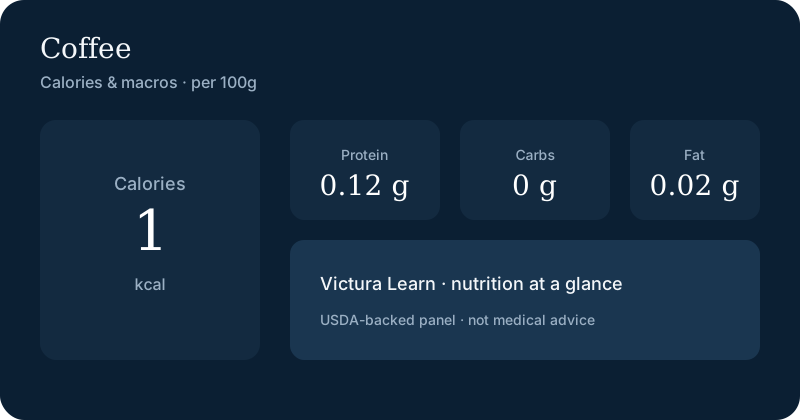
A cup of coffee contains around 2 calories, while 100g contains about 1 calorie. Per 100g you get about 0g carbs and 0.12g protein.
Coffee is a whole food with approximately 1 calories per 100g, tracked in Victura for macro-aware meal logging.
- Calories (cup)
- 2 kcal
- Calories (100g)
- 1 kcal
- Carbs (100g)
- 0.0g
- Protein (100g)
- 0.12g
- Serving reference
- 240g · cup

Where the calories come from
Per 100g · protein & carbs 4 kcal/g, fat 9 kcal/g
- Protein0.1 g · 72.7%
- Carbs0 g · 0%
- Fat0 g · 27.3%
Serving calculator
How much did you eat or drink — Coffee?
2
Calories
0.3g
Protein
0.0g
Carbs
0.0g
Fat
Nutrition facts
per 100g · Source: USDA FoodData Central (seeded Phase 0)
1 kcal
Calories
Minerals
- Potassium: 49mg
Scientific explanation
Research-backedCoffee provides approximately 1 kcal per 100g, along with 0.12g of protein, 0.0g of carbohydrates, and 0.02g of fat, according to USDA FoodData Central (FDC ID 171890). This liquid profile represents plain, brewed black coffee prepared with tap water without any added ingredients. While virtually devoid of macronutrients, coffee is a complex biological fluid containing a rich array of bioactive compounds. Chief among these is caffeine, a natural central nervous system stimulant that temporarily reduces fatigue and enhances alertness by blocking adenosine receptors in the brain. Beyond caffeine, coffee is one of the richest dietary sources of polyphenols, specifically chlorogenic acids. These antioxidants play a significant role in neutralizing free radicals and mitigating oxidative stress. From a micronutrient perspective, 100g of brewed coffee contains 49 mg of potassium (approximately 1% of the Daily Value), which assists in maintaining fluid balance and supporting cardiovascular function. Trace amounts of magnesium, niacin, and riboflavin are also present. The glycemic index of plain black coffee is considered negligible (N/A) because it contains zero carbohydrates, making it an excellent beverage choice for individuals managing blood glucose levels or adhering to ketogenic protocols. However, the physiological effects of coffee can vary based on individual metabolic rates, caffeine sensitivity, and brewing methods (such as unfiltered French press coffee, which retains diterpenes like cafestol and kahweol that can influence lipid profiles). Additionally, the organic acids in coffee, such as citric, malic, and quinic acids, contribute to its characteristic flavor profile and acidity, though they do not contribute to caloric load. Research indicates that moderate coffee consumption (typically 3 to 4 cups per day) is associated with a lower risk of several chronic conditions, including cardiovascular disease, type 2 diabetes, and certain neurodegenerative disorders. These protective effects are largely attributed to the synergistic action of its polyphenolic compounds rather than caffeine alone. It is also important to note that despite historical misconceptions, moderate coffee consumption does not lead to dehydration in habitual consumers; the fluid volume provided by a cup of coffee effectively offsets the mild diuretic effect of caffeine.

Community insights
Community insightIn the Victura community, coffee is one of the most frequently logged items, serving as a staple morning ritual, a pre-workout stimulant, or a mid-afternoon productivity booster. Analysis of anonymized meal logs reveals that while plain black coffee is common among users practicing intermittent fasting or strict ketogenic diets, the majority of users log coffee with various additions. These additions—ranging from whole milk, half-and-half, and oat milk to sugar, flavored syrups, and MCT oil—fundamentally alter the beverage's nutritional architecture. For instance, adding just one tablespoon of heavy cream and two teaspoons of sugar transforms a virtually calorie-free beverage into a 100-calorie drink with significant fat and carbohydrate content. Victura users who transition from calorie-dense coffee beverages to black coffee or coffee with a splash of unsweetened almond milk often report easier adherence to their daily caloric targets. Furthermore, community logs indicate that pairing coffee with a source of protein or dietary fiber, such as a handful of almonds or a Greek yogurt bowl, helps mitigate the 'caffeine crash' and provides more sustained, stable energy levels throughout the morning compared to consuming coffee in isolation on an empty stomach.
Pros
- Coffee is a whole food with measurable macro nutrients
Cons
- Portion size still matters for calorie goals
Best time to eat
Pair with protein and fiber for balanced meals.
Good windows
- With main meals
Consider avoiding
- Very large portions without activity
Diet compatibility
Weight loss
Use caution
At 1 kcal and 0.0g fiber per 100g, this food is energy-dense - watch portions.
Keto
Friendly
Net carbs ~0.0g per 100g - compatible with strict keto.
Diabetic friendly
Friendly
GI N/A with 0.0g sugar - generally blood-sugar friendly in moderation.
Frequently asked questions
People also ask
Is coffee healthy?
Yes — coffee is a whole food with measurable nutrients. Healthiness depends on overall diet, portions, and your goals.
Can I eat coffee every day?
Most people can include coffee daily as part of a balanced diet, as long as total calories and carbs fit their plan.
Are coffee good for weight loss?
At 1 kcal and 0.0g fiber per 100g, this food is energy-dense - watch portions.
How many calories are in coffee?
A typical medium serving of coffee has about 1 calories, while 100g contains about 1 calories (USDA reference).
Are coffee good before a workout?
Coffee can work before activity when you want easy carbs; pair coffee with protein if your session is long.
Are coffee high in sugar?
Coffee contain about 0.0g sugar per 100g — mostly natural sugars when whole.
Can I drink coffee every day?
Yes, you can safely drink coffee every day as part of a balanced diet. For most healthy adults, moderate daily intake—defined as 3 to 4 cups (providing up to 400 mg of caffeine)—is not only safe but associated with numerous health benefits. To optimize daily consumption, avoid drinking coffee late in the afternoon to prevent sleep disruption, and be mindful of high-calorie additives that can accumulate unnoticed.
Is coffee good for weight loss?
Plain black coffee is an excellent tool for weight loss. At just 1 calorie per 100g, it is virtually calorie-free, making it a perfect substitute for sugary beverages. The caffeine in coffee can temporarily boost metabolic rate by 3% to 11% and stimulate thermogenesis, helping you burn more calories. Additionally, coffee can act as a mild appetite suppressant. However, adding sugar, syrups, or heavy cream can quickly reverse these weight-loss benefits.
Is coffee good before a workout?
Yes, coffee is an outstanding pre-workout beverage. The caffeine acts as a natural ergogenic aid, enhancing athletic performance, increasing endurance, and reducing perceived exertion during both aerobic and anaerobic exercise. It stimulates the nervous system to release adrenaline, preparing the body for physical exertion. For optimal results, consume plain black coffee about 30 to 60 minutes before your workout, and pair it with a light protein source if your training session is long.
Is coffee high in sugar?
No, plain black coffee contains 0.0g of sugar per 100g. It is entirely sugar-free and carbohydrate-free when brewed from pure coffee grounds and water. This makes it an ideal beverage for low-carb, ketogenic, and diabetic diets. However, commercial coffee drinks like lattes, frappes, and flavored iced coffees are often heavily sweetened and can contain upwards of 30 to 50 grams of added sugar per serving.
How many calories are in a cup of coffee?
A typical 240 ml (8 oz) cup of plain brewed black coffee contains approximately 2 calories. This extremely low caloric value is based on the USDA standard of 1 calorie per 100g. If you add ingredients, the calorie count rises: one tablespoon of whole milk adds about 9 calories, a tablespoon of heavy cream adds about 50 calories, and one teaspoon of white sugar adds 16 calories.
Does black coffee have calories?
Yes, black coffee does have calories, but only in trace amounts. A standard cup contains about 2 calories, which is practically negligible and will not break a fast or disrupt ketosis. These trace calories originate from the natural oils, soluble fibers, and proteins that are extracted from the coffee beans during the brewing process. For all practical dietary tracking purposes, plain black coffee can be treated as a zero-calorie beverage.
How we review this guide
- Written by
- Victura Nutrition Team
- Reviewed by
- Victura Editorial Review
- Reference sources
- 4
- Last updated
- Aug 10, 2026
References
Ready to track your meals with AI?
Victura scans your plate, logs macros automatically, and coaches you toward your goals — halal, keto, diabetic-friendly, and more.