
Cod Nutrition Facts
Complete cod nutrition breakdown with 82 kcal per 100g, glycemic index, and diet compatibility.
Written by Victura Nutrition TeamReviewed by Victura Editorial ReviewLast updated Aug 8, 2026
82
Calories
17.8g
Protein
0.0g
Carbs
Generally yes
Is it healthy?
per 100g · per panel values
Track this food in VicturaQuick answer
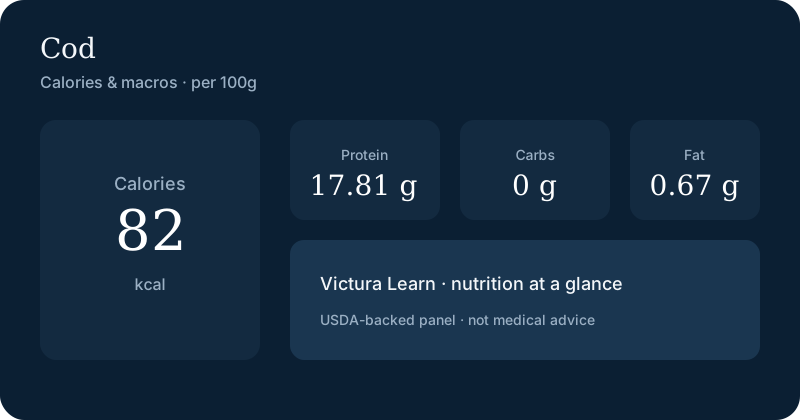
A 100g serving of cod provides about 82 kcal. Per 100g you get about 0g carbs and 17.81g protein.
Cod is a whole food with approximately 82 calories per 100g, tracked in Victura for macro-aware meal logging.
- Calories (100g serving)
- 82 kcal
- Carbs (100g)
- 0.0g
- Protein (100g)
- 17.81g
- Serving reference
- 100g · 100g serving


Serving calculator
How much did you eat or drink — Cod?
82
Calories
17.8g
Protein
0.0g
Carbs
0.7g
Fat
Nutrition facts
per 100g · Source: USDA FoodData Central (seeded Phase 0)
82 kcal
Calories
Vitamins
- Vitamin B12: 0.91mcg
Minerals
- Selenium: 33.1mcg
Scientific explanation
Research-backedCod provides an exceptional source of high-quality, lean protein, making it a cornerstone of health-conscious diets. Providing approximately 82 kcal per 100g, this marine species delivers a dense concentration of essential amino acids with virtually no carbohydrates and minimal fat. Sourced from the cold waters of the Atlantic, raw cod is highly valued in clinical nutrition for its ability to support muscle protein synthesis, metabolic health, and cellular repair without contributing excessive dietary energy. The micronutrient profile of cod is highlighted by significant quantities of Vitamin B12 and Selenium, both of which play critical roles in maintaining systemic physiological functions. By incorporating cod into a structured dietary regimen, individuals can easily meet their daily protein requirements while managing overall caloric intake. This makes it an ideal food for athletes, individuals undergoing weight management, and those seeking to optimize cardiovascular health through lean, nutrient-dense whole foods.
Community insights
Community insightWithin the Victura community, cod is highly celebrated as a premier meal-prep staple. Unlike heavier protein sources, users report that cod is easy on the digestive system, making it a popular choice for evening meals or post-workout recovery. Meal logs show that users frequently bake, steam, or air-fry cod, pairing it with complex carbohydrates like sweet potatoes or quinoa, and fibrous vegetables like asparagus or broccoli. This combination helps to balance the meal's glycemic response and provides sustained energy. Many fitness enthusiasts in our community highlight cod's versatility in high-protein, low-calorie recipes, noting that its mild flavor profile easily adopts various herbs and spices without requiring calorie-dense sauces.
Pros
- Extremely high protein-to-calorie ratio
- Rich in essential Selenium and Vitamin B12
- Zero carbohydrates and sugar, ideal for keto and diabetic diets
Cons
- Very low in Omega-3 fatty acids compared to oily fish like salmon
- Can dry out quickly if overcooked due to low fat content
Best time to eat
Ideal for post-workout recovery or as a light evening meal to support muscle repair without heavy digestion.
Good windows
- Post-workout
- Dinner
Consider avoiding
- Deep-fried preparations which negate its low-calorie benefits
Diet compatibility
Weight loss
Friendly
At only 82 kcal and 17.81g of protein per 100g, it is highly satiating and low in energy density.
Keto
Friendly
Net carbs are 0.0g per 100g, making it completely compatible with strict ketogenic diets.
Diabetic friendly
Friendly
Glycemic index is 0 with 0.0g sugar, meaning it has no direct impact on blood glucose levels.
Frequently asked questions
People also ask
Is a cod healthy?
Yes — a cod is a whole food with measurable nutrients. Healthiness depends on overall diet, portions, and your goals.
Can I eat a cod every day?
Most people can include a cod daily as part of a balanced diet, as long as total calories and carbs fit their plan.
Are Cods good for weight loss?
At only 82 kcal and 17.81g of protein per 100g, it is highly satiating and low in energy density.
How many calories are in a cod?
A typical medium serving of cod has about 82 calories, while 100g contains about 82 calories (USDA reference).
Are Cods good before a workout?
Cods can work before activity when you want easy carbs; pair a cod with protein if your session is long.
Are Cods high in sugar?
Cods contain about 0.0g sugar per 100g — mostly natural sugars when whole.
Is cod good for weight loss?
Absolutely. Cod is one of the most effective foods for weight loss due to its high protein-to-calorie ratio. Consuming cod helps maintain metabolic rate through the thermic effect of food (TEF), while its low fat and zero carbohydrate profile allows you to volume-eat without exceeding your daily calorie limits.
Is cod keto-friendly?
Yes, cod is exceptionally keto-friendly. With 0.0g of net carbohydrates per 100g, it fits perfectly into even the most restrictive ketogenic diets. Since it is a very lean fish, keto practitioners often prepare it with healthy fats like olive oil, butter, or avocado to meet their daily lipid targets.
What is the glycemic index of cod?
The glycemic index (GI) of cod is 0, or effectively non-applicable (N/A), because it contains zero carbohydrates. Foods without carbohydrates do not cause a rise in blood glucose levels, meaning cod has no impact on insulin secretion or glycemic response.
Is cod safe for people with diabetes?
Yes, cod is highly safe and recommended for people with diabetes. With a glycemic index of 0 and zero sugar content, it does not raise blood glucose levels. Its high protein content also helps slow down the absorption of carbohydrates from other foods eaten during the same meal, promoting stable blood sugar.
How many calories does cod have?
Cod contains exactly 82 calories (kcal) per 100-gram raw serving. This exceptionally low calorie count, combined with its high protein density, makes it one of the most nutrient-dense lean proteins you can include in your diet.
How we review this guide
- Written by
- Victura Nutrition Team
- Reviewed by
- Victura Editorial Review
- Reference sources
- 4
- Last updated
- Aug 8, 2026
References
Ready to track your meals with AI?
Victura scans your plate, logs macros automatically, and coaches you toward your goals — halal, keto, diabetic-friendly, and more.