
Whey Protein Nutrition Facts: How Many Calories Does Whey Protein Have?
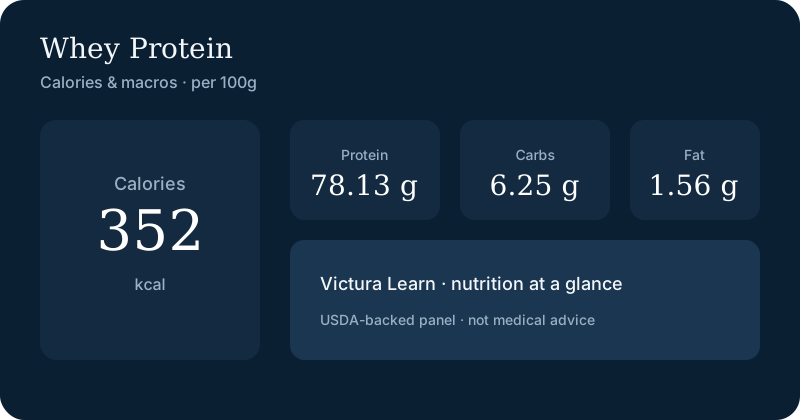
One typical 30 g scoop (about 1.1 oz) has about 106 calories and 23.4 g protein; per 100 g (3.5 oz), whey protein provides 352 calories and 78.13 g protein.
Written by Victura Nutrition TeamReviewed by Victura Editorial ReviewLast updated Oct 21, 2026
352
Calories
78.1g
Protein
6.3g
Carbs
Generally yes
Is it healthy?
per 100g · per panel values
Track this food in VicturaQuick answer
A 100g serving of whey protein provides about 352 kcal. Per 100g you get about 6.25g carbs and 78.13g protein.
Whey Protein is a whole food with approximately 352 calories per 100g, tracked in Victura for macro-aware meal logging.
- Calories (100g serving)
- 352 kcal
- Carbs (100g)
- 6.25g
- Protein (100g)
- 78.13g
- Serving reference
- 100g · 100g serving
Key takeaways
- One 30 g scoop has about 106 calories and 23.4 g protein.
- Per 100 g, whey protein has 352 calories, 78.13 g protein, and 0 g sugar.
- A scoop can support weight loss or keto diets when total calories fit.
- Most people can use whey daily, but food quality and tolerance matter.
- People with kidney disease should ask a clinician before increasing protein.

Where the calories come from
Per 100g · protein & carbs 4 kcal/g, fat 9 kcal/g
- Protein78.1 g · 88.9%
- Carbs6.3 g · 7.1%
- Fat1.6 g · 4%
Serving calculator
How much did you eat or drink — Whey Protein?
352
Calories
78.1g
Protein
6.3g
Carbs
1.6g
Fat
Nutrition facts
per 100g · Source: USDA FoodData Central (seeded Phase 0)
352 kcal
Calories
Minerals
- Calcium: 469mg
Scientific explanation
Research-backedWhey Protein provides a concentrated, complete protein made from milk during cheese making. A typical 30 g scoop (about 1.1 oz) supplies roughly 106 calories and 23.4 g protein; per 100 g (3.5 oz), the USDA panel lists 352 calories and 78.13 g protein. The powder is low in fat and sugar, but it is not a whole food, so portion size and added ingredients matter.
💪 What Whey Protein Is and How It Is Made
Whey is the liquid portion of milk that separates during cheese or casein production. It is filtered and dried into concentrate, isolate, or hydrolysate powders. Concentrate usually contains some lactose and fat; isolate is filtered further and tends to be higher in protein by weight.
Hydrolysate is partly broken down for faster digestion. The USDA panel used here is a whey-based protein powder, so exact macros vary by brand and flavor. Check the Nutrition Facts label for your product, especially if you use a flavored powder with added sugar or creamers.
🔥 How Many Calories Does Whey Protein Have?
How many calories does whey protein have? On the USDA panel, 100 g (3.5 oz) has 352 calories. A typical 30 g scoop (about 1.1 oz) has about 106 calories.
Most of those calories come from protein: 78.13 g protein per 100 g, or 23.4 g per scoop. Carbohydrate and fat are low at 6.25 g and 1.56 g per 100 g, respectively. Because scoop sizes range from about 28 g to 34 g (1 to 1.2 oz), read the label if you count calories closely.
Unflavored powders are usually close to this profile, while flavored powders can add sugar, cocoa, or creamer and raise calories. The table below shows the panel values per typical serving and per 100 g.
| Nutrient | Per 30 g scoop (about 1.1 oz) | Per 100 g (3.5 oz) |
|---|---|---|
| Calories | 106 kcal | 352 kcal |
| Protein | 23.4 g | 78.13 g |
| Carbohydrate | 1.9 g | 6.25 g |
| Fat | 0.5 g | 1.56 g |
| Fiber | 0.0 g | 0.0 g |
| Sugar | 0.0 g | 0.0 g |
| Calcium | 141 mg (11% DV) | 469 mg (36% DV) |

💪 Protein, Carbs, Fat, and Micronutrients
Protein is the main reason people use whey. Whey is a complete protein, meaning it supplies all nine essential amino acids, and it is rich in leucine, an amino acid that helps trigger muscle protein synthesis. The USDA panel lists 469 mg calcium per 100 g (36% DV), or about 141 mg per 30 g scoop (11% DV).
It has 0 g fiber and 0 g sugar per 100 g on this panel. Fiber-free does not mean unhealthy, but whey should not replace fiber-rich foods such as beans, oats, fruit, and vegetables. For daily protein needs, use a protein calculator and treat whey as one tool among whole foods.
🍞 Weight Loss, Keto, and Blood Sugar
At 352 calories per 100 g, whey protein is energy-dense by weight, so portion control matters for weight loss. A 30 g scoop is about 106 calories and can fit into a weight-loss plan if it helps you meet protein needs and manage hunger. For keto, net carbs are about 6.2 g per 100 g, or about 1.9 g per scoop, which is compatible with strict keto for most people.
The glycemic index is not listed for this powder, and the panel shows 0 g sugar. People with diabetes should still check flavored products for added sugar and monitor individual responses. This is general education, not medical advice; see the weight-loss hub for broader guidance.
🥗 Scoops, Timing, and Daily Amounts
Most people use one scoop (30 g, about 1.1 oz) in water, milk, or a smoothie. A common daily range is one to two scoops (30-60 g, about 1.1-2.1 oz), but total protein needs depend on body weight, activity, age, and health status. Research on protein supplementation and resistance training suggests that total daily protein and consistent training matter more than perfect timing.
You can take whey before or after a workout, or with meals to close a protein gap. If you get bloating, choose a lactose-reduced isolate or try a smaller dose. People with kidney disease should ask a clinician before increasing protein intake, and you can compare options in the whey protein isolate guide.
Bottom line: Whey Protein is a convenient high-protein powder with about 106 calories and 23.4 g protein per 30 g scoop, but whole foods and total diet quality still matter.
Community insights
Community insightIn Victura anonymized meal logs, whey protein appears most often as a quick breakfast add-in, a post-workout shake, and a snack base when people want more protein without cooking. Users tend to care about mixability, sweetness, and digestive comfort as much as macros. These are usage patterns, not medical claims.
💪 How People Use Whey Protein
The most common serving is one scoop (30 g, about 1.1 oz) in 8-12 fl oz (240-355 mL) of water or milk. People who want a lighter snack often use a half scoop (15 g, about 0.5 oz). A few logs show whey stirred into oatmeal, yogurt, or blended fruit, which adds flavor and calories from the mix-ins.
- Breakfast: 1 scoop (30 g) in oats or a smoothie.
- Post-workout: 1 scoop (30 g) in water or milk.
- Snack: 1/2 scoop (15 g) in yogurt.
- Baking: 1-2 tbsp (about 6-12 g) added to pancakes or muffins, with extra liquid.
Scoop size is the biggest source of confusion. A level scoop from one brand may weigh 28 g (1 oz), while another may weigh 34 g (1.2 oz). Using a kitchen scale for the first few servings takes the guesswork out of calories and protein.
🥗 What the Community Notices
Many logs mention that unflavored whey is easier to use in savory foods, while flavored whey is more convenient for shakes. A few people report bloating with concentrate and prefer isolate; others do fine with either. Sweetness varies widely, so compare labels for added sugar.
Community members often ask how many calories does whey protein have when they switch brands, because scoop size can change the math. Weighing the actual scoop once in grams is the most reliable habit. That small step also makes it easier to compare a 30 g scoop with a 34 g scoop.
Some users pair whey with fruit and oats to add fiber, since the powder itself has 0 g fiber per 100 g. Others use it in a calorie deficit because a 30 g scoop has about 106 calories. The common thread is convenience: whey helps close a protein gap when whole foods are not practical.
🥗 Practical Tips for Daily Use
- Start with 1/2 scoop (15 g) if you are new to whey.
- Use 8-12 fl oz (240-355 mL) liquid per scoop for a smoother shake.
- Choose unflavored or low-sugar versions for more flexibility.
- Pair whey with fruit, oats, or vegetables to add fiber.
- Use the Victura protein calculator to set a daily target.
- If weight loss is the goal, track add-ins as well as the powder.
For most people, whey is a tool, not a whole diet. A varied plate with beans, fish, eggs, dairy, nuts, and whole grains still does the heavy lifting for long-term health.
Pros
Cons
Best time to eat
Good windows
Consider avoiding
Diet compatibility
Weight loss
Friendly
Consult your healthcare provider for personalized guidance.
Keto
Friendly
Consult your healthcare provider for personalized guidance.
Diabetes
Friendly
Consult your healthcare provider for personalized guidance.
Frequently asked questions
People also ask
Is a whey protein healthy?
Yes — a whey protein is a whole food with measurable nutrients. Healthiness depends on overall diet, portions, and your goals.
Can I eat a whey protein every day?
Most people can include a whey protein daily as part of a balanced diet, as long as total calories and carbs fit their plan.
Are Whey Proteins good for weight loss?
Whey proteins can fit a calorie-controlled diet when portions are measured.
How many calories are in a whey protein?
A typical medium serving of whey protein has about 352 calories, while 100g contains about 352 calories (USDA reference).
Are Whey Proteins good before a workout?
Whey proteins can work before activity when you want easy carbs; pair a whey protein with protein if your session is long.
Are Whey Proteins high in sugar?
Whey proteins contain about 0.0g sugar per 100g — mostly natural sugars when whole.
How many calories does whey protein have?
On the USDA panel for whey-based protein powder (FDC ID 173177), 100 g (3.5 oz) has 352 calories. A typical 30 g scoop (about 1.1 oz) has about 106 calories. Flavored powders can be higher if they add sugar or creamers, so check the label for your exact product and scoop size.
How many calories are in one scoop of whey protein?
A 30 g scoop (about 1.1 oz) has about 106 calories, based on 352 calories per 100 g. Scoop weights commonly range from about 28 g to 34 g (1 to 1.2 oz), which works out to roughly 99-120 calories. Weigh your scoop once in grams for an exact count.
How much protein is in one scoop of whey protein?
Per 100 g (3.5 oz), the USDA panel lists 78.13 g protein. A 30 g scoop (about 1.1 oz) has about 23.4 g protein. Scoop sizes vary by brand, so weigh your scoop once to confirm the exact amount.
Is whey protein healthy?
Whey is a complete protein, supplying all nine essential amino acids, and the USDA panel lists 469 mg calcium per 100 g (36% DV). For many adults it is a convenient way to close a protein gap, but it is a filtered powder, not a substitute for whole foods. Choose products with simple ingredient lists and watch added sugar in flavored versions.
Can you drink whey protein every day?
Many adults can use whey protein daily as part of a varied diet. Spread protein across meals and keep fiber-rich foods such as beans, oats, fruit, and vegetables in the picture, since this powder has 0 g fiber per 100 g. If you have kidney disease, are pregnant, or manage a medical condition, ask a clinician about protein targets.
Is whey protein good for weight loss?
Whey can help with weight loss when it supports a calorie deficit and helps preserve lean mass during resistance training. A 30 g scoop has about 106 calories. Watch add-ins such as milk, nut butter, and sweetened flavorings, which can raise the calorie total.
How we review this guide
- Written by
- Victura Nutrition Team
- Reviewed by
- Victura Editorial Review
- Reference sources
- 6
- Last updated
- Oct 21, 2026
References
- USDA FoodData Central: Beverages, Protein powder whey based (FDC ID 173177)(usda)
- NIH Office of Dietary Supplements: Exercise and Athletic Performance(nih_ods)
- Morton et al. A systematic review, meta-analysis and meta-regression of the effect of protein supplementation on resistance training-induced gains in muscle mass and strength in healthy adults(pubmed)
- Paddon-Jones et al. Protein, weight management, and satiety(pubmed)
Ready to track your meals with AI?
Victura scans your plate, logs macros automatically, and coaches you toward your goals — halal, keto, diabetic-friendly, and more.