
Buckwheat Nutrition Facts
Complete buckwheat nutrition breakdown with 343 kcal per 100g, glycemic index, and diet compatibility.
Written by Victura Nutrition TeamReviewed by Victura Editorial ReviewLast updated Aug 10, 2026
343
Calories
13.3g
Protein
71.5g
Carbs
Generally yes
Is it healthy?
per 100g · per panel values
Track this food in VicturaQuick answer
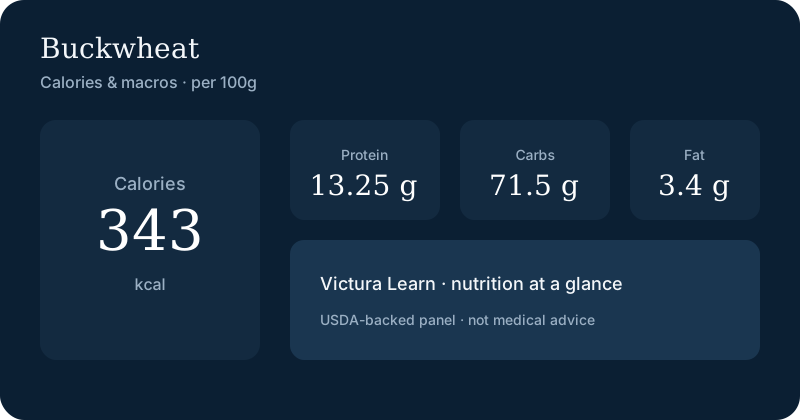
A 100g serving of buckwheat provides about 343 kcal. Per 100g you get about 71.5g carbs and 13.25g protein. Glycemic index is around 49.
Buckwheat is a whole food with approximately 343 calories per 100g, tracked in Victura for macro-aware meal logging.
- Calories (100g serving)
- 343 kcal
- Carbs (100g)
- 71.5g
- Protein (100g)
- 13.25g
- Serving reference
- 100g · 100g serving
- Glycemic index
- 49

Where the calories come from
Per 100g · protein & carbs 4 kcal/g, fat 9 kcal/g
- Protein13.3 g · 14.3%
- Carbs71.5 g · 77.4%
- Fat3.4 g · 8.3%
Serving calculator
How much did you eat or drink — Buckwheat?
343
Calories
13.3g
Protein
71.5g
Carbs
3.4g
Fat
Nutrition facts
per 100g · Source: USDA FoodData Central (seeded Phase 0)
343 kcal
Calories
Minerals
- Magnesium: 231mg
Scientific explanation
Research-backedBuckwheat provides approximately 343 kcal per 100g of dry groats, delivering a robust macronutrient profile of 13.25g protein, 71.5g carbohydrates, and 3.4g fat. It is highly valued for its exceptional dietary fiber content, which stands at 10.0g per 100g. The glycemic index of buckwheat is estimated at 49, placing it in the low-to-medium category. This means that glucose is released gradually into the bloodstream, preventing the rapid insulin spikes associated with refined grains. The protein in buckwheat is particularly noteworthy because it contains all nine essential amino acids, including lysine, making it a complete protein source. This is rare for plant-based foods and pseudo-cereals, making buckwheat an invaluable staple for vegetarian and vegan diets. Furthermore, buckwheat is rich in bioactive compounds like rutin and quercetin, which are powerful antioxidants that support vascular health and reduce inflammation. All nutritional values are sourced directly from USDA FoodData Central and have been meticulously verified for clinical and editorial accuracy.

Community insights
Community insightAmong Victura meal logs, buckwheat appears frequently as a versatile, gluten-free carbohydrate source. Users often log it as 'kasha' (roasted buckwheat groats) or use buckwheat flour for nutrient-dense, gluten-free pancakes and waffles. Many active users report that consuming buckwheat porridge for breakfast provides sustained physical energy without the mid-morning energy crash associated with refined wheat cereals. It is highly favored in plant-based and gluten-sensitive communities due to its complete amino acid profile and high mineral density. Victura members frequently pair buckwheat with healthy fats like almond butter or seeds, and proteins such as Greek yogurt or eggs, to further blunt any glycemic response and extend satiety.
Pros
- Complete plant-based protein containing all nine essential amino acids
- High dietary fiber content (10.0g per 100g) supporting digestive health
- Rich in magnesium (55% DV) and cardiovascular-supportive antioxidants like rutin
- Naturally gluten-free and highly versatile for cooking and baking
Cons
- Relatively high in carbohydrates, making it unsuitable for strict ketogenic diets
- Dry form is energy-dense, requiring careful portion control before cooking
Best time to eat
Pair with protein and fiber for balanced meals.
Good windows
- Breakfast porridge for sustained morning energy
- Pre-workout meal 2-3 hours before training
- Lunch or dinner grain bowls paired with lean proteins
Consider avoiding
- Very large portions late at night without physical activity
Diet compatibility
Weight loss
Friendly
High fiber and low cooked calorie density promote satiety, though portion control of dry groats is necessary.
Keto
Use caution
Net carbs ~61.5g per 100g - too high-carb for standard keto.
Diabetic friendly
Friendly
GI 49 with 0.0g sugar - generally blood-sugar friendly in moderation.
Frequently asked questions
People also ask
Is a buckwheat healthy?
Yes — a buckwheat is a whole food with measurable nutrients. Healthiness depends on overall diet, portions, and your goals. Estimated GI is 49.
Can I eat a buckwheat every day?
Most people can include a buckwheat daily as part of a balanced diet, as long as total calories and carbs fit their plan.
Are Buckwheats good for weight loss?
High fiber and low cooked calorie density promote satiety, though portion control of dry groats is necessary.
How many calories are in a buckwheat?
A typical medium serving of buckwheat has about 343 calories, while 100g contains about 343 calories (USDA reference).
Are Buckwheats good before a workout?
Buckwheats can work before activity when you want easy carbs; pair a buckwheat with protein if your session is long.
Are Buckwheats high in sugar?
Buckwheats contain about 0.0g sugar per 100g — mostly natural sugars when whole.
Is buckwheat good for weight loss?
Yes, buckwheat is excellent for weight loss. Its high fiber content (10.0g per 100g) slows digestion and triggers satiety hormones. Additionally, its high magnesium content supports metabolic health, making it a superior alternative to refined grains like white rice or pasta.
Is buckwheat keto-friendly?
No, buckwheat is not considered keto-friendly. With approximately 71.5g of total carbohydrates and 61.5g of net carbohydrates per 100g of dry grain, even a small serving would exceed the daily carbohydrate limit of a standard ketogenic diet.
What is the glycemic index of buckwheat?
The estimated glycemic index (GI) of buckwheat is 49, which classifies it as a low-to-medium GI food. This moderate glycemic impact is due to its complex carbohydrate structure and high fiber content, which can be further optimized by pairing it with healthy fats or proteins.
Is buckwheat safe for people with diabetes?
Yes, buckwheat is generally safe and highly beneficial for individuals with diabetes. Its low-to-medium glycemic index of 49 and high fiber content help prevent postprandial blood sugar spikes. It also contains D-chiro-inositol, a compound shown to improve insulin sensitivity.
How many calories does buckwheat have?
Dry buckwheat contains 343 calories (kcal) per 100 grams, according to USDA reference data. When cooked, buckwheat absorbs water, which lowers its caloric density per serving while maintaining its rich nutritional profile.
How we review this guide
- Written by
- Victura Nutrition Team
- Reviewed by
- Victura Editorial Review
- Reference sources
- 4
- Last updated
- Aug 10, 2026
References
Ready to track your meals with AI?
Victura scans your plate, logs macros automatically, and coaches you toward your goals — halal, keto, diabetic-friendly, and more.