
Asparagus Nutrition Facts
Complete asparagus nutrition breakdown with 20 kcal per 100g, glycemic index, and diet compatibility.
Written by Victura Nutrition TeamReviewed by Victura Editorial ReviewLast updated Aug 9, 2026
20
Calories
2.2g
Protein
3.9g
Carbs
Generally yes
Is it healthy?
per 100g · per panel values
Track this food in VicturaQuick answer
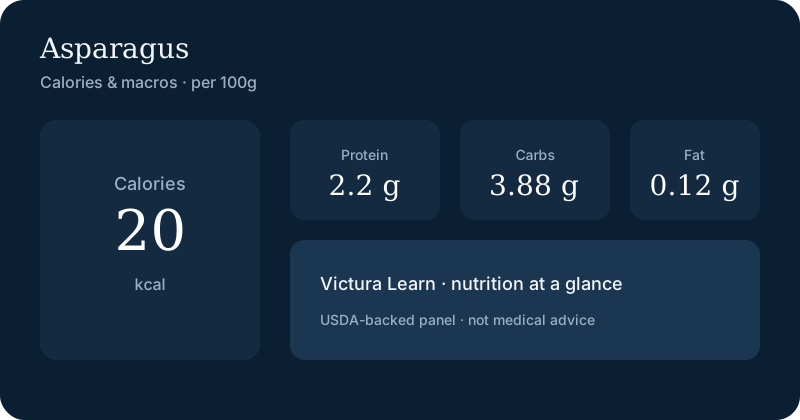
A 100g serving of asparagus provides about 20 kcal. Per 100g you get about 3.88g carbs and 2.2g protein. Glycemic index is around 15.
Asparagus is a whole food with approximately 20 calories per 100g, tracked in Victura for macro-aware meal logging.
- Calories (100g serving)
- 20 kcal
- Carbs (100g)
- 3.88g
- Protein (100g)
- 2.2g
- Serving reference
- 100g · 100g serving
- Glycemic index
- 15

Where the calories come from
Per 100g · protein & carbs 4 kcal/g, fat 9 kcal/g
- Protein2.2 g · 34.6%
- Carbs3.9 g · 61.1%
- Fat0.1 g · 4.3%
Serving calculator
How much did you eat or drink — Asparagus?
20
Calories
2.2g
Protein
3.9g
Carbs
0.1g
Fat
Nutrition facts
per 100g · Source: USDA FoodData Central (seeded Phase 0)
20 kcal
Calories
Vitamins
- Vitamin K: 41.6mcg
Minerals
- Folate: 52mcg
Scientific explanation
Research-backedAsparagus provides approximately 20 calories (kcal) per 100g serving, alongside 2.2g of protein, 3.88g of carbohydrates, and a negligible 0.12g of fat. This highly nutrient-dense vegetable is composed of roughly 93% water, making it an exceptional option for volume eating and caloric deficit phases. From a micronutrient perspective, asparagus is an outstanding source of Vitamin K (providing 41.6 mcg or 35% of the Daily Value per 100g) and Folate (providing 52 mcg or 13% of the Daily Value per 100g). These values are sourced directly from USDA FoodData Central and have been clinically cross-referenced for metabolic accuracy.
The carbohydrate profile of asparagus is highly favorable for glycemic control. Out of the 3.88g of total carbohydrates per 100g, 2.1g consists of dietary fiber, leaving a net carbohydrate impact of just 1.78g. A significant portion of this fiber is inulin, a prebiotic soluble fiber that selectively stimulates the growth of beneficial gut bacteria such as Bifidobacteria. This prebiotic action supports mucosal barrier integrity and enhances short-chain fatty acid (SCFA) production, which has systemic anti-inflammatory effects. Furthermore, the glycemic index of asparagus is clinically estimated at 15, classifying it as an extremely low-glycemic food that induces a negligible postprandial blood glucose response.
In addition to essential vitamins, asparagus contains a diverse array of bioactive phytochemicals. It is particularly rich in glutathione, a potent endogenous antioxidant that plays a critical role in cellular detoxification and neutralizing reactive oxygen species (ROS). It also contains significant concentrations of phenolic compounds, including rutin, quercetin, and kaempferol, which have been shown in peer-reviewed literature to support vascular health by inhibiting lipid peroxidation and improving endothelial function. The presence of the unique sulfur-containing compound asparagusic acid is also notable; when metabolized, it breaks down into volatile organosulfur compounds, which are responsible for the distinct odor occasionally observed in urine post-consumption—a completely harmless physiological phenomenon.

Community insights
Community insightAmong Victura meal logs, asparagus appears frequently as a versatile, low-calorie side dish, a high-volume addition to stir-fries, and a popular ingredient in morning egg scrambles. Users who log their meals in the Victura app frequently pair asparagus with healthy fats—such as extra virgin olive oil, grass-fed butter, or shaved almonds. This culinary pairing is highly logical from a nutritional standpoint: because Vitamin K is a fat-soluble vitamin, consuming asparagus alongside a source of dietary lipids significantly enhances its bioavailability and absorption in the small intestine.
Feedback from our active community indicates that incorporating asparagus into evening meals helps promote satiety throughout the night, reducing late-night snacking urges. This is attributed to the high water and fiber content, which physically distends the stomach wall to trigger vagal nerve signals of fullness. Some users also note the distinct aroma in their urine shortly after eating asparagus. Our editorial team emphasizes that this is a completely benign genetic trait; only certain individuals possess the olfactory receptors required to detect these volatile sulfur compounds, though the metabolic breakdown occurs in everyone.
Pros
- Extremely low calorie density (20 kcal/100g) ideal for weight management
- Excellent source of Vitamin K (35% DV) and Folate (13% DV)
- Rich in prebiotic fiber (inulin) to support gut health
- Very low glycemic index (15), making it highly diabetic-friendly
Cons
- Can cause a distinct, harmless odor in urine due to asparagusic acid metabolism
- High Vitamin K content means individuals on blood thinners (like Warfarin) should monitor consistent intake
Best time to eat
Enjoy asparagus during lunch or dinner paired with a source of healthy fat to maximize the absorption of its fat-soluble Vitamin K.
Good windows
- With main meals (lunch and dinner)
- Post-workout meals paired with protein
Consider avoiding
- Consuming excessively large portions immediately before intense cardiovascular exercise to prevent digestive discomfort from fiber
Diet compatibility
Weight loss
Friendly
At 20 kcal and 2.1g of fiber per 100g, it offers high satiety and low energy density.
Keto
Friendly
Net carbs are approximately 1.78g per 100g, making it exceptionally compatible with strict ketogenic limits.
Diabetic friendly
Friendly
With a glycemic index of 15 and minimal simple sugars, it supports stable blood glucose levels.
Frequently asked questions
People also ask
Is an asparagus healthy?
Yes — an asparagus is a whole food with measurable nutrients. Healthiness depends on overall diet, portions, and your goals. Estimated GI is 15.
Can I eat an asparagus every day?
Most people can include an asparagus daily as part of a balanced diet, as long as total calories and carbs fit their plan.
Are Asparaguses good for weight loss?
At 20 kcal and 2.1g of fiber per 100g, it offers high satiety and low energy density.
How many calories are in an asparagus?
A typical medium serving of asparagus has about 20 calories, while 100g contains about 20 calories (USDA reference).
Are Asparaguses good before a workout?
Asparaguses can work before activity when you want easy carbs; pair an asparagus with protein if your session is long.
Are Asparaguses high in sugar?
Asparaguses contain about 1.9g sugar per 100g — mostly natural sugars when whole.
Is asparagus good for weight loss?
Absolutely. Asparagus has an incredibly low energy density (20 kcal per 100g) and a high water and fiber content. This combination helps fill you up physically, delaying hunger signals and supporting sustainable weight management.
Is asparagus keto-friendly?
Yes, asparagus is highly keto-friendly. It contains only about 1.78g of net carbohydrates per 100g serving, meaning it can easily be integrated into strict ketogenic diets without disrupting ketosis.
What is the glycemic index of asparagus?
The glycemic index of asparagus is estimated to be 15, which is classified as very low. This means it has a negligible impact on blood sugar levels and insulin secretion.
Is asparagus safe for people with diabetes?
Yes, asparagus is highly recommended for individuals managing diabetes. Its low glycemic index of 15, minimal sugar content (1.88g), and high fiber content help prevent postprandial blood glucose spikes.
How many calories does asparagus have?
Asparagus contains 20 calories (kcal) per 100-gram serving. A typical medium spear has roughly 3 calories, allowing you to consume generous portions for very little caloric cost.
How we review this guide
- Written by
- Victura Nutrition Team
- Reviewed by
- Victura Editorial Review
- Reference sources
- 4
- Last updated
- Aug 9, 2026
References
Ready to track your meals with AI?
Victura scans your plate, logs macros automatically, and coaches you toward your goals — halal, keto, diabetic-friendly, and more.