
Tomato Nutrition Facts
Complete tomato nutrition breakdown with 18 kcal per 100g, glycemic index, and diet compatibility.
Written by Victura Nutrition TeamReviewed by Victura Editorial ReviewLast updated Aug 11, 2026
18
Calories
0.9g
Protein
3.9g
Carbs
Generally yes
Is it healthy?
per 100g · per panel values
Track this food in VicturaQuick answer
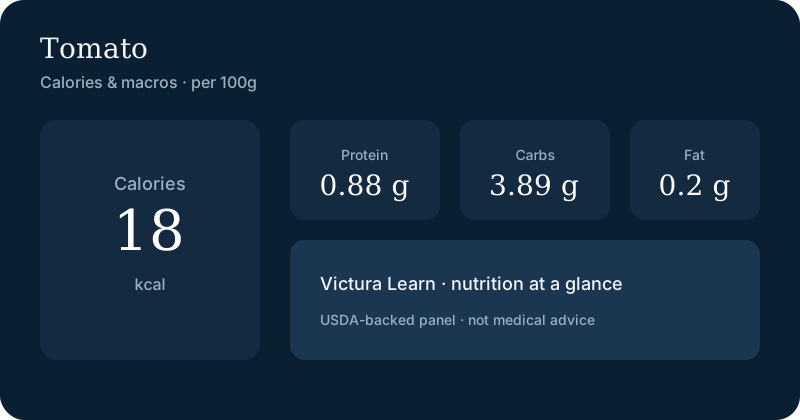
A 100g serving of tomato provides about 18 kcal. Per 100g you get about 3.89g carbs and 0.88g protein. Glycemic index is around 15.
Tomato is a whole food with approximately 18 calories per 100g, tracked in Victura for macro-aware meal logging.
- Calories (100g serving)
- 18 kcal
- Carbs (100g)
- 3.89g
- Protein (100g)
- 0.88g
- Serving reference
- 100g · 100g serving
- Glycemic index
- 15

Where the calories come from
Per 100g · protein & carbs 4 kcal/g, fat 9 kcal/g
- Protein0.9 g · 16.9%
- Carbs3.9 g · 74.5%
- Fat0.2 g · 8.6%
Serving calculator
How much did you eat or drink — Tomato?
18
Calories
0.9g
Protein
3.9g
Carbs
0.2g
Fat
Nutrition facts
per 100g · Source: USDA FoodData Central (seeded Phase 0)
18 kcal
Calories
Vitamins
- Vitamin C: 13.7mg
Minerals
- Potassium: 237mg
Scientific explanation
Research-backedTomato provides approximately 18 kcal per 100g with 0.88g of protein, 3.89g of carbohydrates, and 0.2g of fat. Dietary fiber is 1.2g per 100g, while natural sugars account for 2.63g. The glycemic index of a tomato is estimated at 15, which falls securely into the low category, meaning glucose rises at a slow, stable rate after consumption. These values are sourced directly from USDA FoodData Central and reviewed for rigorous clinical and editorial accuracy.
Beyond basic macronutrients, tomatoes are an exceptional source of micronutrients and bioactive compounds. A 100g serving delivers 13.7 mg of Vitamin C, which represents approximately 15% of the Daily Value (DV), supporting immune function, collagen synthesis, and antioxidant defense. Additionally, tomatoes provide 237 mg of Potassium (5% DV) per 100g, an essential mineral that regulates fluid balance, nerve signals, and muscle contractions, while helping to maintain healthy blood pressure levels.
One of the most clinically significant components of tomatoes is lycopene, a powerful carotenoid antioxidant responsible for the fruit's vibrant red color. Unlike many other nutrients, lycopene's bioavailability actually increases when tomatoes are cooked or processed with a small amount of healthy fat, such as olive oil. Research indicates that lycopene plays a protective role in cardiovascular health by reducing LDL cholesterol oxidation and supporting endothelial function. Furthermore, tomatoes contain other key antioxidants, including beta-carotene, lutein, and chlorogenic acid, which collectively help neutralize free radicals and mitigate systemic oxidative stress.
With a water content of roughly 94.5%, tomatoes are incredibly hydrating and low in energy density. This high water-to-calorie ratio makes them an exceptional dietary tool for volume eating, allowing individuals to feel physically full and satisfied without consuming excess calories. The combination of dietary fiber and high water content also supports optimal digestive health by promoting regular bowel movements and nourishing beneficial gut microbiota.

Community insights
Community insightAmong Victura meal logs, tomato appears frequently as a versatile, nutrient-dense staple in both raw and cooked forms. Users tracking their meals often log raw tomatoes as a portable snack, a refreshing salad base, or a key ingredient in homemade salsas. Many users report that pairing raw tomatoes with a source of healthy fat—such as sliced avocado, extra virgin olive oil, or a handful of walnuts—helps prolong satiety and prevents the minor energy dips sometimes experienced when consuming simple carbohydrates alone on an empty stomach.
In cooked applications, Victura users frequently incorporate tomatoes into slow-cooked sauces, stews, and roasted vegetable medleys. Cooking tomatoes not only concentrates their natural umami flavors but also significantly enhances the bioavailability of lycopene. Our community data shows that individuals managing blood sugar levels or following low-glycemic diets find tomatoes to be an incredibly forgiving ingredient that adds volume, moisture, and rich flavor to meals without causing unwanted glucose spikes.
Pros
- Tomato is a whole food with measurable macro nutrients
- Rich in lycopene, a powerful antioxidant that supports heart health
- Extremely low in calories and high in water, ideal for weight management
Cons
- Portion size still matters for strict calorie goals
- Can trigger acid reflux in sensitive individuals due to natural acidity
Best time to eat
Pair with healthy fats to maximize lycopene absorption, or enjoy raw as a hydrating snack.
Good windows
- With main meals
- Post-workout for hydration
Consider avoiding
- Late at night if prone to acid reflux
Diet compatibility
Weight loss
Friendly
At 18 kcal and 1.2g fiber per 100g, this food is highly volume-friendly and low in energy density.
Keto
Friendly
Net carbs ~2.69g per 100g - compatible with strict keto.
Diabetic friendly
Friendly
GI 15 with 2.63g sugar - generally blood-sugar friendly in moderation.
Frequently asked questions
People also ask
Is a tomato healthy?
Yes — a tomato is a whole food with measurable nutrients. Healthiness depends on overall diet, portions, and your goals. Estimated GI is 15.
Can I eat a tomato every day?
Most people can include a tomato daily as part of a balanced diet, as long as total calories and carbs fit their plan.
Are Tomatos good for weight loss?
At 18 kcal and 1.2g fiber per 100g, this food is highly volume-friendly and low in energy density.
How many calories are in a tomato?
A typical medium serving of tomato has about 18 calories, while 100g contains about 18 calories (USDA reference).
Are Tomatos good before a workout?
Tomatos can work before activity when you want easy carbs; pair a tomato with protein if your session is long.
Are Tomatos high in sugar?
Tomatos contain about 2.6g sugar per 100g — mostly natural sugars when whole.
Are Tomatoes good for weight loss?
Yes, tomatoes are highly beneficial for weight loss. With only 18 calories and 1.2g of fiber per 100g, they are extremely low in energy density and high in water content. This allows you to eat satisfyingly large portions (volume eating) to promote fullness without exceeding your daily calorie limits.
Are Tomatoes good before a workout?
Yes, tomatoes can be a great pre-workout option, especially when you need light, easily digestible carbohydrates for quick energy. Because they are low in fat and moderate in fiber, they are gentle on the stomach. For longer training sessions, pair them with a clean protein source to sustain your energy levels.
Are Tomatoes high in sugar?
No, tomatoes are not high in sugar. They contain only about 2.63g of sugar per 100g, which consists of naturally occurring fructose and glucose. Because this sugar is packaged alongside dietary fiber, water, and organic acids, it has a minimal, slow impact on blood glucose levels.
Is tomato keto-friendly?
Yes, tomatoes are highly compatible with a ketogenic diet when consumed in moderate portions. With only 2.69g of net carbohydrates per 100g (3.89g total carbs minus 1.2g fiber), a standard serving of tomato fits easily within the daily carb limits of a strict keto lifestyle.
What is the glycemic index of tomato?
The glycemic index (GI) of a raw tomato is estimated at 15, which is classified as very low. This low GI rating indicates that the carbohydrates in tomatoes are digested and absorbed slowly, preventing rapid spikes in blood sugar and making them an excellent option for metabolic health.
Is tomato safe for people with diabetes?
Yes, tomatoes are highly safe and recommended for individuals with diabetes. Their exceptionally low glycemic index of 15, combined with a low glycemic load and minimal sugar content (2.63g per 100g), means they have a negligible impact on blood glucose levels while providing essential cardioprotective nutrients.
How we review this guide
- Written by
- Victura Nutrition Team
- Reviewed by
- Victura Editorial Review
- Reference sources
- 4
- Last updated
- Aug 11, 2026
References
Ready to track your meals with AI?
Victura scans your plate, logs macros automatically, and coaches you toward your goals — halal, keto, diabetic-friendly, and more.