
Strawberry Nutrition Facts
Calories, Carbs, and Health Benefits of Raw Strawberries
Written by Victura Nutrition TeamReviewed by Victura Editorial ReviewLast updated Jul 22, 2026
32
Calories
0.7g
Protein
7.7g
Carbs
Generally yes
Is it healthy?
per 100g · per panel values
Track this food in VicturaQuick answer
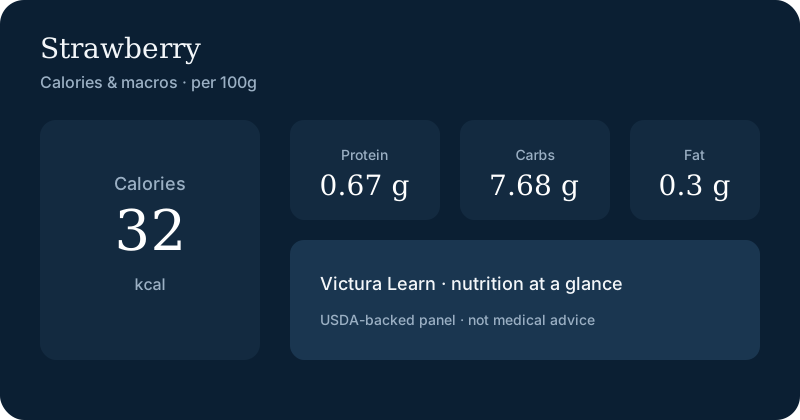
A 100g serving of strawberry provides about 32 kcal. Per 100g you get about 7.68g carbs and 0.67g protein. Glycemic index is around 40.
Strawberry is a whole food with approximately 32 calories per 100g, tracked in Victura for macro-aware meal logging.
- Calories (100g serving)
- 32 kcal
- Carbs (100g)
- 7.68g
- Protein (100g)
- 0.67g
- Serving reference
- 100g · 100g serving
- Glycemic index
- 40

Where the calories come from
Per 100g · protein & carbs 4 kcal/g, fat 9 kcal/g
- Protein0.7 g · 7.4%
- Carbs7.7 g · 85.1%
- Fat0.3 g · 7.5%
Serving calculator
How much did you eat or drink — Strawberry?
32
Calories
0.7g
Protein
7.7g
Carbs
0.3g
Fat
Nutrition facts
per 100g · Source: USDA FoodData Central (seeded Phase 0)
32 kcal
Calories
Vitamins
- Vitamin C: 58.8mg
Minerals
- Potassium: 153mg
Scientific explanation
Research-backedStrawberry provides a rich source of essential micronutrients, dietary fiber, and bioactive compounds while remaining exceptionally low in calories. According to the USDA FoodData Central (FDC ID 167762), a standard 100g serving of raw strawberries delivers just 32 calories, 0.67g of protein, 0.3g of fat, and 7.68g of total carbohydrates. Within this carbohydrate profile, strawberries offer 2.0g of dietary fiber and 4.89g of natural sugars (primarily fructose and glucose). This yields a net carbohydrate count of approximately 5.68g per 100g, making them highly compatible with low-carbohydrate and ketogenic dietary patterns.
One of the most remarkable nutritional attributes of the strawberry is its high concentration of Vitamin C (ascorbic acid). A 100g serving contains 58.8mg of Vitamin C, which fulfills approximately 65% of the daily value (DV) for adults. Vitamin C is a potent water-soluble antioxidant that plays a critical role in immune function, collagen synthesis, and the protection of cells from oxidative stress. Additionally, strawberries provide 153mg of potassium per 100g (3% DV), an essential mineral that supports healthy blood pressure regulation, fluid balance, and neuromuscular function.
From a metabolic perspective, strawberries possess a low Glycemic Index (GI) of 40. This low glycemic response is due to the combination of dietary fiber and the specific ratio of fructose to glucose. When consumed, strawberries cause a slow, gradual rise in blood glucose levels rather than a sharp spike, making them an excellent fruit choice for individuals managing type 2 diabetes or insulin resistance. Peer-reviewed clinical trials indicate that the polyphenols in strawberries, particularly anthocyanins (the pigments responsible for their vibrant red color), may improve insulin sensitivity and reduce postprandial inflammatory markers. These bioactive compounds help mitigate cardiovascular risk by inhibiting LDL cholesterol oxidation and improving endothelial function.

Community insights
Community insightIn the Victura community, anonymized meal logs reveal that strawberries are one of the most frequently logged fruits across diverse dietary regimens. Users tracking their macronutrients for weight loss frequently utilize strawberries to add volume and sweetness to meals without exceeding their daily calorie budgets. A typical serving logged by users is one cup of whole strawberries (approximately 144g), which equates to roughly 46 calories. This high volume-to-calorie ratio makes them a staple for satiety management.
For individuals following a ketogenic or strict low-carb lifestyle, strawberries are highly favored over higher-sugar fruits like bananas or grapes. Victura meal logs show that keto users often pair a measured portion of strawberries (typically 50g to 100g) with high-fat vehicles such as unsweetened heavy cream, Greek yogurt, or almond butter. This combination successfully buffers the minor glycemic impact of the fruit while delivering a satisfying dessert-like experience.
Fitness enthusiasts and athletes within the community also log strawberries as a strategic pre-workout snack. The natural simple sugars provide a rapid, easily digestible source of glycogen, while the high water content (approximately 91%) aids in pre-exercise hydration. When combined with a source of protein, such as whey isolate or cottage cheese, strawberries serve as an optimal recovery food that helps replenish glycogen stores and combat exercise-induced oxidative stress.
Pros
Cons
Best time to eat
Good windows
Consider avoiding
Diet compatibility
Weight loss
Friendly
Consult your healthcare provider for personalized guidance.
Keto
Friendly
Consult your healthcare provider for personalized guidance.
Diabetes
Friendly
Consult your healthcare provider for personalized guidance.
Frequently asked questions
People also ask
Is a strawberry healthy?
Yes — a strawberry is a whole food with measurable nutrients. Healthiness depends on overall diet, portions, and your goals. Estimated GI is 40.
Can I eat a strawberry every day?
Most people can include a strawberry daily as part of a balanced diet, as long as total calories and carbs fit their plan.
Are Strawberries good for weight loss?
Strawberries can fit a calorie-controlled diet when portions are measured.
How many calories are in a strawberry?
A typical medium serving of strawberry has about 32 calories, while 100g contains about 32 calories (USDA reference).
Are Strawberries good before a workout?
Strawberries can work before activity when you want easy carbs; pair a strawberry with protein if your session is long.
Are Strawberries high in sugar?
Strawberries contain about 4.9g sugar per 100g — mostly natural sugars when whole.
Are strawberries healthy?
Yes, strawberries are exceptionally healthy. They are a nutrient-dense whole food packed with essential vitamins, minerals, fiber, and antioxidants. A single 100g serving provides 58.8mg of Vitamin C (65% DV), which supports immune health and skin integrity, alongside beneficial polyphenols that promote cardiovascular health.
Can I eat strawberries every day?
Absolutely. Eating strawberries daily is an excellent way to support your overall health. Their high fiber content (2.0g per 100g) aids digestion, while their low calorie density (32 calories per 100g) prevents unwanted weight gain. Rotating them with other colorful fruits ensures a diverse intake of phytonutrients.
How many calories are in one strawberry?
A single medium-sized strawberry (weighing approximately 12 grams) contains only about 4 calories. This extremely low calorie count makes individual strawberries an ideal, guilt-free snack or sweet addition to salads, oatmeal, and yogurt bowls.
Are strawberries keto-friendly?
Yes, strawberries are keto-friendly. With only 5.68g of net carbs per 100g serving, they can easily fit into a daily ketogenic carbohydrate limit when consumed in moderation.
What vitamins are high in strawberries?
Strawberries are exceptionally high in Vitamin C, providing 58.8mg (65% DV) per 100g. They also contain beneficial amounts of folate (Vitamin B9), manganese, and potassium.
How we review this guide
- Written by
- Victura Nutrition Team
- Reviewed by
- Victura Editorial Review
- Reference sources
- 4
- Last updated
- Jul 22, 2026
References
Ready to track your meals with AI?
Victura scans your plate, logs macros automatically, and coaches you toward your goals — halal, keto, diabetic-friendly, and more.