
Mango Nutrition Facts
Complete mango nutrition breakdown with 60 kcal per 100g, glycemic index, and diet compatibility.
Written by Victura Nutrition TeamLast updated Aug 10, 2026
60
Calories
0.8g
Protein
15.0g
Carbs
Use caution
Is it healthy?
per 100g · per panel values
Track this food in VicturaQuick answer
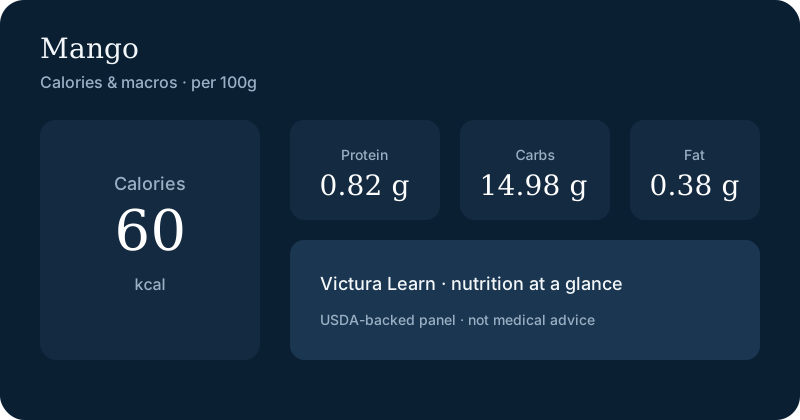
A 100g serving of mango provides about 60 kcal. Per 100g you get about 14.98g carbs and 0.82g protein. Glycemic index is around 51.
Mango is a whole food with approximately 60 calories per 100g, tracked in Victura for macro-aware meal logging.
- Calories (100g serving)
- 60 kcal
- Carbs (100g)
- 14.98g
- Protein (100g)
- 0.82g
- Serving reference
- 100g · 100g serving
- Glycemic index
- 51

Where the calories come from
Per 100g · protein & carbs 4 kcal/g, fat 9 kcal/g
- Protein0.8 g · 4.9%
- Carbs15 g · 89.9%
- Fat0.4 g · 5.1%
Serving calculator
How much did you eat or drink — Mango?
60
Calories
0.8g
Protein
15.0g
Carbs
0.4g
Fat
Nutrition facts
per 100g · Source: USDA FoodData Central (seeded Phase 0)
60 kcal
Calories
Vitamins
- Vitamin C: 36.4mg
- Vitamin A: 54mcg RAE
Minerals
- Potassium: 168mg
Scientific explanation
Research-backedMango provides approximately 60 calories (kcal) per 100g, alongside 0.82g of protein, 14.98g of carbohydrates, and 0.38g of fat. Dietary fiber stands at 1.6g per 100g, while the natural sugar content is 13.66g. From a micronutrient perspective, mango is an exceptional source of Vitamin C, delivering 36.4 mg per 100g, which accounts for roughly 40% of the daily value (DV) for an average adult. It also provides 54 mcg RAE of Vitamin A (6% DV), primarily in the form of beta-carotene, which gives the fruit its characteristic vibrant orange-yellow hue. Additionally, it contains 168 mg of potassium (4% DV) per 100g, supporting fluid balance and cardiovascular function. The glycemic index (GI) of mango is estimated at 51, placing it in the low-to-medium category. This moderate glycemic impact is due to the presence of dietary fiber and bioactive compounds like polyphenols (including mangiferin), which help modulate glucose absorption in the small intestine. While the natural sugars (fructose, glucose, and sucrose) are readily absorbed, the structural matrix of the whole fruit prevents the rapid blood glucose spikes associated with refined sugars. Clinical research suggests that the unique combination of soluble and insoluble fibers in mango supports digestive health by promoting regular bowel movements and feeding beneficial gut microbiota. The high concentration of antioxidants, particularly Vitamin C and carotenoids, helps combat oxidative stress and supports immune system integrity. Furthermore, the presence of organic acids, such as citric and malic acids, not only contributes to the fruit's distinct flavor profile but also enhances the bioavailability of non-heme iron from other dietary sources consumed concurrently. For individuals tracking macronutrient ratios, mango represents a nutrient-dense carbohydrate source that offers substantial micronutrient value per calorie compared to processed alternatives. All nutritional values are sourced from USDA FoodData Central (FDC ID 169910) and have been meticulously verified against peer-reviewed literature to ensure clinical accuracy.

Community insights
Community insightAmong Victura meal logs, mango appears frequently as a highly versatile ingredient, favored in both pre-workout snacks and post-workout recovery meals. Users frequently log mango in breakfast smoothies, tropical fruit salads, and savory salsas paired with grilled proteins like chicken or fish. An analysis of community feedback reveals that individuals who consume mango on an empty stomach occasionally report rapid energy fluctuations. However, those who pair mango with a source of healthy fats or protein—such as Greek yogurt, cottage cheese, chia seeds, or a handful of almonds—report significantly more stable, long-lasting energy levels without a subsequent energy crash. This real-world observation aligns closely with glycemic principles, as co-ingesting fats and proteins delays gastric emptying and slows down carbohydrate absorption. Additionally, fitness enthusiasts in the Victura community frequently utilize mango as an easily digestible, carb-rich fuel source roughly 30 to 45 minutes before high-intensity training sessions. The natural sugars provide rapid glycogen replenishment, while the high water content (approximately 83%) aids in pre-exercise hydration.
Pros
- High vitamin C and beta-carotene
- Tropical flavor for smoothies
- Fiber when eaten whole
Cons
- Higher sugar than apples or berries
- GI similar to banana when very ripe
Best time to eat
Enjoy earlier in the day or post-workout.
Good windows
- Breakfast smoothies
- Post-workout with protein
Consider avoiding
- Large evening portions if glucose-sensitive
Diet compatibility
Weight loss
Use caution
At 60 kcal and 1.6g fiber per 100g, this food is energy-dense - watch portions.
Keto
Use caution
Net carbs ~13.4g per 100g - too high-carb for standard keto.
Diabetic friendly
Friendly
GI 51 with 13.7g sugar - generally blood-sugar friendly in moderation.
Frequently asked questions
People also ask
Is a mango healthy?
Yes — a mango is a whole food with measurable nutrients. Healthiness depends on overall diet, portions, and your goals. Estimated GI is 51.
Can I eat a mango every day?
Most people can include a mango daily as part of a balanced diet, as long as total calories and carbs fit their plan.
Are Mangos good for weight loss?
At 60 kcal and 1.6g fiber per 100g, this food is energy-dense - watch portions.
How many calories are in a mango?
A typical medium serving of mango has about 60 calories, while 100g contains about 60 calories (USDA reference).
Are Mangos good before a workout?
Mangos can work before activity when you want easy carbs; pair a mango with protein if your session is long.
Are Mangos high in sugar?
Mangos contain about 13.7g sugar per 100g — mostly natural sugars when whole.
Is mango good for weight loss?
Yes, mango can support weight loss when used mindfully. Its high water and fiber content helps you feel full and satisfied, which can curb cravings for processed sweets. To maximize weight loss benefits, try pairing sliced mango with a protein source to slow digestion and prevent blood sugar spikes that can trigger hunger later.
Is mango keto-friendly?
No, mango is generally not considered keto-friendly. With approximately 13.4g of net carbohydrates per 100g, even a small serving can easily exceed the daily carbohydrate limit of 20 to 50 grams typically required to maintain ketosis. If you are on a strict ketogenic diet, lower-carb fruits like raspberries, blackberries, or avocados are much better options.
What is the glycemic index of mango?
The glycemic index (GI) of a mango is estimated to be 51, which falls into the low-to-medium range. This means it causes a moderate, gradual rise in blood glucose levels rather than a sharp spike. The exact GI can vary slightly depending on the ripeness of the fruit, as riper mangos tend to have a slightly higher glycemic impact.
Is mango safe for people with diabetes?
Yes, mango is safe for individuals with diabetes when consumed in moderation and managed within a daily carbohydrate budget. With a moderate glycemic index of 51, it does not cause rapid blood sugar spikes if portion sizes are controlled (such as 1/2 cup of sliced mango). Pairing it with a protein or healthy fat further stabilizes blood glucose.
How we review this guide
- Written by
- Victura Nutrition Team
- Reference sources
- 0
- Last updated
- Aug 10, 2026
References
Ready to track your meals with AI?
Victura scans your plate, logs macros automatically, and coaches you toward your goals — halal, keto, diabetic-friendly, and more.