
Bell Pepper Nutrition Facts
Complete bell pepper nutrition breakdown with 31 kcal per 100g, glycemic index, and diet compatibility.
Written by Victura Nutrition TeamReviewed by Victura Editorial ReviewLast updated Aug 11, 2026
31
Calories
1.0g
Protein
6.0g
Carbs
Generally yes
Is it healthy?
per 100g · per panel values
Track this food in VicturaQuick answer
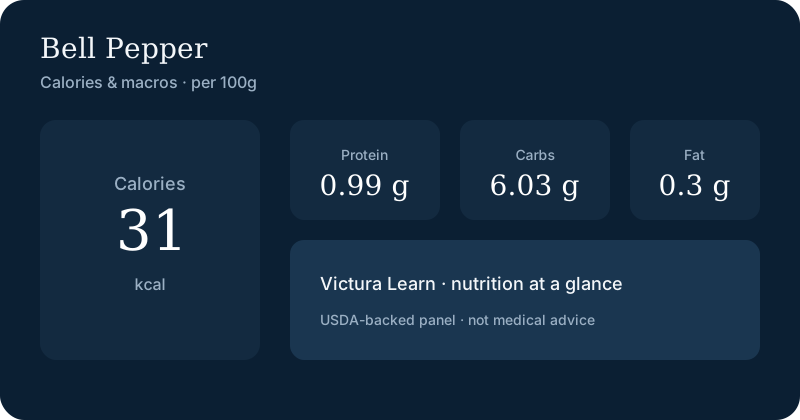
A 100g serving of bell pepper provides about 31 kcal. Per 100g you get about 6.03g carbs and 0.99g protein. Glycemic index is around 15.
Bell Pepper is a whole food with approximately 31 calories per 100g, tracked in Victura for macro-aware meal logging.
- Calories (100g serving)
- 31 kcal
- Carbs (100g)
- 6.03g
- Protein (100g)
- 0.99g
- Serving reference
- 100g · 100g serving
- Glycemic index
- 15

Where the calories come from
Per 100g · protein & carbs 4 kcal/g, fat 9 kcal/g
- Protein1 g · 12.9%
- Carbs6 g · 78.4%
- Fat0.3 g · 8.8%
Serving calculator
How much did you eat or drink — Bell Pepper?
31
Calories
1.0g
Protein
6.0g
Carbs
0.3g
Fat
Nutrition facts
per 100g · Source: USDA FoodData Central (seeded Phase 0)
31 kcal
Calories
Vitamins
- Vitamin C: 127.7mg
Minerals
- Potassium: 211mg
Scientific explanation
Research-backedBell Pepper provides approximately 31 kcal per 100g with 1.0g protein, 6.0g carbohydrates, and 0.3g fat. Dietary fiber is 2.1g per 100g. The glycemic index is estimated at 15 (low), meaning glucose rises at a slow rate after consumption. Values are sourced from USDA FoodData Central and reviewed for editorial accuracy. Beyond basic macronutrients, bell peppers are an exceptional source of micronutrients, particularly Vitamin C, which provides 127.7 mg (142% of the Daily Value) per 100g serving. This high concentration of Vitamin C acts as a powerful antioxidant, supporting immune function, collagen synthesis, and iron absorption. Additionally, bell peppers contain 211 mg of potassium per 100g, which plays a critical role in maintaining fluid balance, nerve signaling, and cardiovascular health. The high water content (approximately 92%) contributes to their low energy density, making them highly satiating relative to their calorie content. This combination of high fiber and water content supports digestive health by promoting regular bowel movements and supporting a healthy gut microbiome. The low glycemic index of 15 ensures that the carbohydrates present (primarily simple sugars like glucose and fructose) are absorbed gradually, preventing rapid spikes in blood glucose levels. This makes bell peppers an excellent dietary component for individuals managing diabetes or insulin resistance.

Community insights
Community insightAmong Victura meal logs, bell pepper appears frequently as a highly versatile, low-calorie ingredient favored by both weight-loss seekers and meal-preppers. Users frequently log raw bell pepper slices as a portable, crunchy snack, often pairing them with healthy fats such as hummus, guacamole, or Greek yogurt-based dips. This pairing is not only satisfying but also scientifically sound, as the healthy fats significantly enhance the absorption of fat-soluble carotenoids and vitamins present in the pepper. In warm meals, community members report using bell peppers as a base for low-carb stuffed pepper recipes, stir-fries, and morning omelets. Many users tracking glycemic responses note that incorporating bell peppers into mixed meals helps maintain stable energy levels throughout the afternoon, preventing the post-lunch energy crashes often associated with higher-carbohydrate sides. The vegetable's natural sweetness also makes it a popular addition to green smoothies, providing a nutrient boost without adding excessive sugars.
Pros
- Bell Pepper is a whole food with measurable macro nutrients
- Exceptional source of Vitamin C (142% DV per 100g)
- Low glycemic index of 15 supports stable blood sugar
Cons
- Portion size still matters for strict carbohydrate limits
- Can cause mild digestive discomfort in individuals sensitive to nightshades
Best time to eat
Pair with protein and healthy fats for balanced, nutrient-dense meals.
Good windows
- With main meals
- As a mid-afternoon snack to curb cravings
Consider avoiding
- Very large portions immediately before sleep if prone to acid reflux
Diet compatibility
Weight loss
Friendly
At 31 kcal and 2.1g fiber per 100g, this food fits calorie-conscious plans.
Keto
Friendly
Net carbs ~3.9g per 100g - compatible with strict keto.
Diabetic friendly
Friendly
GI 15 with 4.2g sugar - generally blood-sugar friendly in moderation.
Frequently asked questions
People also ask
Is a bell pepper healthy?
Yes — a bell pepper is a whole food with measurable nutrients. Healthiness depends on overall diet, portions, and your goals. Estimated GI is 15.
Can I eat a bell pepper every day?
Most people can include a bell pepper daily as part of a balanced diet, as long as total calories and carbs fit their plan.
Are Bell Peppers good for weight loss?
At 31 kcal and 2.1g fiber per 100g, this food fits calorie-conscious plans.
How many calories are in a bell pepper?
A typical medium serving of bell pepper has about 31 calories, while 100g contains about 31 calories (USDA reference).
Are Bell Peppers good before a workout?
Bell peppers can work before activity when you want easy carbs; pair a bell pepper with protein if your session is long.
Are Bell Peppers high in sugar?
Bell peppers contain about 4.2g sugar per 100g — mostly natural sugars when whole.
Is bell pepper keto-friendly?
Yes, bell pepper is highly compatible with a ketogenic diet. With approximately 6.03g of total carbohydrates and 2.1g of dietary fiber per 100g, a standard serving contains only about 3.9g of net carbs. This low net carb count allows them to fit easily within strict daily carb limits while providing essential micronutrients.
What is the glycemic index of bell pepper?
The glycemic index of a bell pepper is estimated to be 15, which is classified as very low. This means that eating bell peppers has a minimal and gradual impact on blood glucose levels, making them an excellent choice for maintaining stable energy and managing insulin sensitivity.
Is bell pepper safe for people with diabetes?
Yes, bell peppers are highly safe and recommended for people with diabetes. Their low glycemic index of 15 and low glycemic load mean they do not cause rapid spikes in blood sugar. Additionally, their high fiber content helps slow down the digestion of other foods consumed in the same meal.
How many calories does a bell pepper have?
A whole medium bell pepper (weighing roughly 119g) contains approximately 37 calories, while a 100g serving provides exactly 31 calories. This makes them one of the most calorie-friendly vegetables available, perfect for adding volume and crunch to your meals without adding excess calories.
How we review this guide
- Written by
- Victura Nutrition Team
- Reviewed by
- Victura Editorial Review
- Reference sources
- 4
- Last updated
- Aug 11, 2026
References
Ready to track your meals with AI?
Victura scans your plate, logs macros automatically, and coaches you toward your goals — halal, keto, diabetic-friendly, and more.