
Edamame Nutrition Facts
Complete edamame nutrition breakdown with 147 kcal per 100g, glycemic index, and diet compatibility.
Written by Victura Nutrition TeamReviewed by Victura Editorial ReviewLast updated Aug 10, 2026
147
Calories
12.9g
Protein
11.1g
Carbs
Generally yes
Is it healthy?
per 100g · per panel values
Track this food in VicturaQuick answer
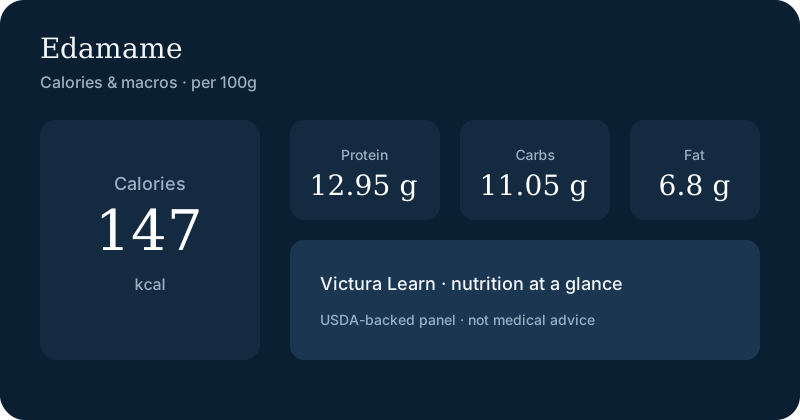
A 100g serving of edamame provides about 147 kcal. Per 100g you get about 11.05g carbs and 12.95g protein. Glycemic index is around 18.
Edamame is a whole food with approximately 147 calories per 100g, tracked in Victura for macro-aware meal logging.
- Calories (100g serving)
- 147 kcal
- Carbs (100g)
- 11.05g
- Protein (100g)
- 12.95g
- Serving reference
- 100g · 100g serving
- Glycemic index
- 18

Where the calories come from
Per 100g · protein & carbs 4 kcal/g, fat 9 kcal/g
- Protein13 g · 33%
- Carbs11.1 g · 28.1%
- Fat6.8 g · 38.9%
Serving calculator
How much did you eat or drink — Edamame?
147
Calories
12.9g
Protein
11.1g
Carbs
6.8g
Fat
Nutrition facts
per 100g · Source: USDA FoodData Central (seeded Phase 0)
147 kcal
Calories
Vitamins
- Folate: 165mcg
Minerals
- Iron: 3.55mg
Scientific explanation
Research-backedEdamame provides an exceptional nutritional profile, delivering approximately 147 calories (kcal) per 100g serving. This whole food is highly regarded in clinical nutrition for its complete plant-based protein content, offering 12.95g of high-quality protein per 100g. Unlike many plant foods, soy protein contains all nine essential amino acids required for human physiological function, making it an invaluable asset for muscle protein synthesis, cellular repair, and metabolic health. In terms of macronutrient distribution, edamame contains 11.05g of carbohydrates per 100g, which is balanced by a substantial dietary fiber content of 4.2g. This high-fiber matrix slows down enzymatic digestion and glucose absorption in the small intestine. Consequently, edamame exhibits an exceptionally low glycemic index (GI) estimated at 18. This low glycemic response prevents rapid blood glucose spikes, making it highly suitable for individuals managing type 2 diabetes or insulin resistance. The lipid profile of edamame consists of 6.8g of total fat per 100g, predominantly composed of heart-healthy polyunsaturated and monounsaturated fatty acids, including essential omega-3 and omega-6 fatty acids. These fats contribute to cardiovascular health by supporting optimal lipid panels and reducing systemic inflammation. Micronutrient density is another hallmark of edamame. A 100g serving provides 165mcg of Folate (Vitamin B9), representing approximately 41% of the Daily Value (DV). Folate is critical for DNA synthesis, red blood cell formation, and prenatal development. Additionally, edamame delivers 3.55mg of non-heme iron (20% DV), which plays a vital role in oxygen transport and cellular energy production. To maximize the bioavailability of this non-heme iron, it is scientifically recommended to pair edamame with a source of Vitamin C, such as fresh lemon juice. Furthermore, edamame is rich in bioactive phytochemicals, specifically isoflavones such as genistein and daidzein. Peer-reviewed research indicates that these phytoestrogens may assist in regulating hormonal balance, reducing LDL cholesterol levels, and providing antioxidant defense against oxidative stress. The synergistic effect of its macronutrients, fiber, and micronutrients establishes edamame as a premier functional food in modern dietetics.

Community insights
Community insightWithin the Victura anonymized meal logging database, edamame is frequently logged as a versatile, prep-friendly snack and a nutrient-dense addition to main meals. Many users utilize frozen edamame pods as a convenient, portion-controlled option that can be quickly steamed or microwaved. A common trend observed among Victura community members is pairing shelled edamame with complex grains like quinoa or brown rice, or tossing them into vibrant salads to boost both the protein and fiber content of the meal. For individuals practicing intermittent fasting or managing calorie deficits, edamame is highly praised for its high satiety index; users report feeling significantly fuller for longer periods compared to consuming processed carbohydrate-based snacks. Culinary preparation methods in the community vary widely, but the most popular preparations involve seasoning steamed pods with coarse sea salt, cracked black pepper, garlic powder, or a drizzle of low-sodium tamari and chili flakes. Some users also blend shelled edamame into a vibrant, high-protein alternative to traditional guacamole or hummus, pairing it with raw vegetable sticks. To prevent digestive discomfort occasionally associated with sudden increases in dietary fiber, community members recommend gradually introducing edamame into the diet and maintaining adequate hydration throughout the day.
Pros
- Edamame is a whole food with measurable macro nutrients
- Excellent source of complete plant-based protein containing all essential amino acids
- High in dietary fiber and essential micronutrients like folate and iron
Cons
- Portion size still matters for calorie goals
- Contains soy, which is a common allergen for some individuals
Best time to eat
Pair with protein and fiber for balanced meals, or consume 1-2 hours before workouts.
Good windows
- With main meals
- Pre-workout window
Consider avoiding
- Very large portions without activity
Diet compatibility
Weight loss
Friendly
High protein and fiber promote satiety, though portion control is advised due to moderate energy density.
Keto
Friendly
Net carbs ~6.85g per 100g - compatible with strict keto in moderation.
Diabetic friendly
Friendly
GI 18 with 0.0g sugar - generally blood-sugar friendly in moderation.
Frequently asked questions
People also ask
Is an edamame healthy?
Yes — an edamame is a whole food with measurable nutrients. Healthiness depends on overall diet, portions, and your goals. Estimated GI is 18.
Can I eat an edamame every day?
Most people can include an edamame daily as part of a balanced diet, as long as total calories and carbs fit their plan.
Are Edamames good for weight loss?
High protein and fiber promote satiety, though portion control is advised due to moderate energy density.
How many calories are in an edamame?
A typical medium serving of edamame has about 147 calories, while 100g contains about 147 calories (USDA reference).
Are Edamames good before a workout?
Edamames can work before activity when you want easy carbs; pair an edamame with protein if your session is long.
Are Edamames high in sugar?
Edamames contain about 0.0g sugar per 100g — mostly natural sugars when whole.
Is edamame keto-friendly?
With approximately 6.85g of net carbohydrates per 100g (11.05g total carbs minus 4.2g fiber), edamame can be incorporated into a ketogenic diet in moderate portions. While some strict keto practitioners avoid soy, many find that edamame fits easily within their daily net carb limit while providing valuable plant-based protein and fiber.
What is the glycemic index of edamame?
The glycemic index (GI) of edamame is estimated to be 18, which is classified as very low. This low rating indicates that the carbohydrates in edamame are digested and absorbed slowly, resulting in a gradual, controlled rise in blood sugar rather than a sharp spike. This makes it an ideal food for glucose management.
Is edamame safe for people with diabetes?
Yes, edamame is highly safe and beneficial for individuals with diabetes. Its low glycemic index of 18, combined with its high fiber and protein content, helps stabilize blood glucose levels and improves insulin sensitivity. It serves as an excellent, nutrient-dense alternative to high-glycemic carbohydrate sides.
How we review this guide
- Written by
- Victura Nutrition Team
- Reviewed by
- Victura Editorial Review
- Reference sources
- 4
- Last updated
- Aug 10, 2026
References
Ready to track your meals with AI?
Victura scans your plate, logs macros automatically, and coaches you toward your goals — halal, keto, diabetic-friendly, and more.