
Cottage Cheese Nutrition Facts
Complete cottage cheese nutrition breakdown with 72 kcal per 100g, glycemic index, and diet compatibility.
Written by Victura Nutrition TeamReviewed by Victura Editorial ReviewLast updated Aug 11, 2026
72
Calories
12.4g
Protein
2.7g
Carbs
Generally yes
Is it healthy?
per 100g · per panel values
Track this food in VicturaQuick answer
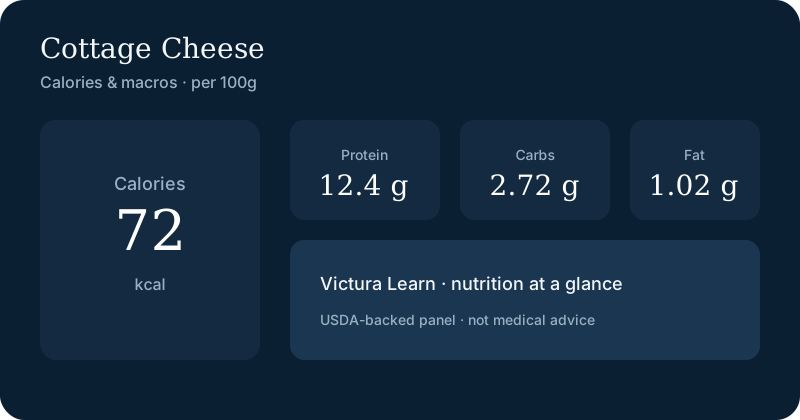
A 100g serving of cottage cheese provides about 72 kcal. Per 100g you get about 2.72g carbs and 12.4g protein. Glycemic index is around 10.
Cottage Cheese is a whole food with approximately 72 calories per 100g, tracked in Victura for macro-aware meal logging.
- Calories (100g serving)
- 72 kcal
- Carbs (100g)
- 2.72g
- Protein (100g)
- 12.4g
- Serving reference
- 100g · 100g serving
- Glycemic index
- 10

Where the calories come from
Per 100g · protein & carbs 4 kcal/g, fat 9 kcal/g
- Protein12.4 g · 71.2%
- Carbs2.7 g · 15.6%
- Fat1 g · 13.2%
Serving calculator
How much did you eat or drink — Cottage Cheese?
72
Calories
12.4g
Protein
2.7g
Carbs
1.0g
Fat
Nutrition facts
per 100g · Source: USDA FoodData Central (seeded Phase 0)
72 kcal
Calories
Vitamins
- Vitamin B12: 0.63mcg
Minerals
- Calcium: 61mg
Scientific explanation
Research-backedCottage Cheese provides approximately 72 kcal per 100g with 12.4g protein, 2.72g carbohydrates, and 1.02g fat. The glycemic index is estimated at 10 (low), meaning glucose rises at a slow rate after consumption. Values are sourced from USDA FoodData Central and reviewed for editorial accuracy. From a metabolic perspective, the protein in cottage cheese is predominantly casein (approximately 80%), a slow-digesting protein that forms a gel-like structure in the stomach. This slow transit time results in a sustained, gradual release of amino acids into the bloodstream, making it highly effective for preventing muscle protein breakdown over extended periods, such as overnight sleep. Additionally, the remaining 20% consists of whey protein, which quickly stimulates muscle protein synthesis. Cottage cheese is also an excellent source of essential micronutrients. A 100g serving provides 0.63 mcg of Vitamin B12 (26% of the Daily Value), which is critical for neurological function and red blood cell formation, and 61 mg of Calcium (5% of the Daily Value) to support bone density and muscle contraction. Its low carbohydrate content (2.72g per 100g, entirely from naturally occurring lactose) and low glycemic index make it an exceptional dietary staple for glycemic control and insulin sensitivity management.

Community insights
Community insightAmong Victura meal logs, cottage cheese appears frequently as a versatile, high-protein staple. Users frequently log it as a portable midday snack, a base for savory bowls, or a protein-boosting ingredient in pancake batters and smoothies. A common trend among our community members is pairing cottage cheese with healthy fats, such as walnuts, chia seeds, or a drizzle of olive oil, which users report provides longer-lasting satiety and more stable energy levels compared to eating it alone. Savory preparations—such as adding cracked black pepper, cucumbers, and cherry tomatoes—are highly popular among those on low-sugar or ketogenic diets. Conversely, those using it for post-workout recovery often blend it with berries or pineapple to replenish glycogen stores while delivering amino acids to recovering muscle tissues. The feedback consistently highlights its adaptability to both sweet and savory profiles, making it an easy addition to various dietary frameworks.
Pros
- Cottage Cheese is a whole food with measurable macro nutrients
- Extremely high in slow-digesting casein protein
- Low glycemic index of 10 prevents blood sugar spikes
Cons
- Portion size still matters for calorie goals
- Commercial varieties can be high in sodium
- Contains lactose, which may affect sensitive individuals
Best time to eat
Ideal as an evening snack for overnight recovery or paired with fiber for balanced daytime meals.
Good windows
- Before bed (overnight recovery)
- Post-workout
- With main meals
Consider avoiding
- Very large portions immediately before intense cardio
Diet compatibility
Weight loss
Friendly
At 72 kcal and high protein (12.4g) per 100g, this food is highly satiating and excellent for weight loss.
Keto
Friendly
Net carbs ~2.72g per 100g - compatible with strict keto.
Diabetic friendly
Friendly
GI 10 with 2.72g sugar - generally blood-sugar friendly in moderation.
Frequently asked questions
People also ask
Is a cottage cheese healthy?
Yes — a cottage cheese is a whole food with measurable nutrients. Healthiness depends on overall diet, portions, and your goals. Estimated GI is 10.
Can I eat a cottage cheese every day?
Most people can include a cottage cheese daily as part of a balanced diet, as long as total calories and carbs fit their plan.
Are Cottage Cheeses good for weight loss?
At 72 kcal and high protein (12.4g) per 100g, this food is highly satiating and excellent for weight loss.
How many calories are in a cottage cheese?
A typical medium serving of cottage cheese has about 72 calories, while 100g contains about 72 calories (USDA reference).
Are Cottage Cheeses good before a workout?
Cottage cheeses can work before activity when you want easy carbs; pair a cottage cheese with protein if your session is long.
Are Cottage Cheeses high in sugar?
Cottage cheeses contain about 2.7g sugar per 100g — mostly natural sugars when whole.
Is cottage cheese good for weight loss?
Yes, cottage cheese is an exceptional food for weight loss. Its high concentration of casein protein digests slowly, keeping hunger pangs at bay for hours. At only 72 calories per 100g, it allows you to consume a satisfying volume of food while keeping your total caloric intake low, which is essential for maintaining a sustainable calorie deficit.
Is cottage cheese keto-friendly?
Yes, low-fat cottage cheese is highly compatible with a ketogenic lifestyle when consumed in moderation. With only 2.72g of net carbohydrates per 100g, a standard serving fits comfortably within daily carb limits. It also provides high-quality fats and proteins to support ketosis while maintaining muscle mass.
What is the glycemic index of cottage cheese?
The glycemic index of cottage cheese is exceptionally low, estimated at 10. This means it has a negligible impact on blood glucose levels. The combination of high protein and low carbohydrates ensures that glucose is absorbed slowly, preventing insulin spikes and supporting sustained energy levels.
Is cottage cheese safe for people with diabetes?
Cottage cheese is highly recommended for individuals with diabetes. Its low glycemic index of 10, combined with a low carbohydrate content of 2.72g per 100g, means it will not cause rapid spikes in blood sugar. The high protein content also helps slow down the absorption of other carbohydrates consumed during the same meal.
How many calories does cottage cheese have?
Cottage cheese contains 72 calories (kcal) per 100g. A standard one-cup serving (approximately 226g) provides about 163 calories, making it an excellent low-calorie, high-protein food choice for anyone looking to manage their weight or increase their daily protein intake.
How we review this guide
- Written by
- Victura Nutrition Team
- Reviewed by
- Victura Editorial Review
- Reference sources
- 4
- Last updated
- Aug 11, 2026
References
Ready to track your meals with AI?
Victura scans your plate, logs macros automatically, and coaches you toward your goals — halal, keto, diabetic-friendly, and more.