
Chickpeas Nutrition Facts
Complete chickpeas nutrition breakdown with 364 kcal per 100g, glycemic index, and diet compatibility.
Written by Victura Nutrition TeamReviewed by Victura Editorial ReviewLast updated Aug 9, 2026
364
Calories
19.3g
Protein
60.6g
Carbs
Use caution
Is it healthy?
per 100g · per panel values
Track this food in VicturaQuick answer
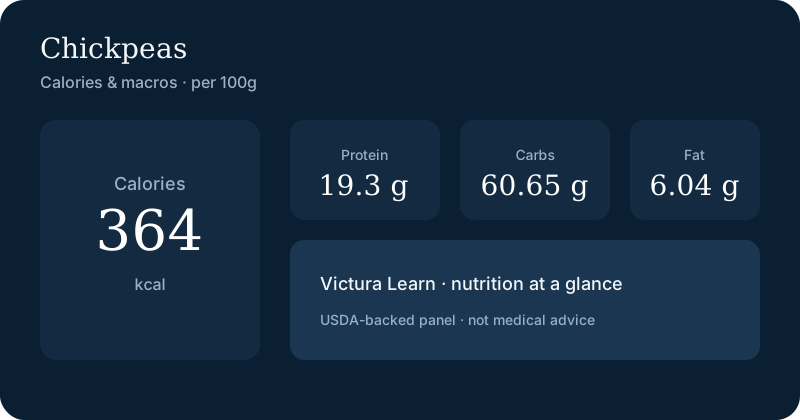
A 100g serving of chickpeas provides about 364 kcal. Per 100g you get about 60.65g carbs and 19.3g protein. Glycemic index is around 28.
Chickpeas is a whole food with approximately 364 calories per 100g, tracked in Victura for macro-aware meal logging.
- Calories (100g serving)
- 364 kcal
- Carbs (100g)
- 60.65g
- Protein (100g)
- 19.3g
- Serving reference
- 100g · 100g serving
- Glycemic index
- 28

Where the calories come from
Per 100g · protein & carbs 4 kcal/g, fat 9 kcal/g
- Protein19.3 g · 20.6%
- Carbs60.7 g · 64.8%
- Fat6 g · 14.5%
Serving calculator
How much did you eat or drink — Chickpeas?
364
Calories
19.3g
Protein
60.6g
Carbs
6.0g
Fat
Nutrition facts
per 100g · Source: USDA FoodData Central (seeded Phase 0)
364 kcal
Calories
Vitamins
- Folate: 557mcg
Minerals
- Iron: 4.31mg
Scientific explanation
Research-backedChickpeas provides an exceptional nutritional profile, delivering approximately 364 calories per 100g of raw, mature seeds. This energy density is accompanied by a robust macronutrient distribution consisting of 19.3g of high-quality plant-based protein, 60.65g of total carbohydrates, and a low fat content of 6.04g. Crucially, of the total carbohydrates, a substantial 17.4g is dietary fiber. This high fiber content, particularly soluble fiber like pectin and resistant starch, plays a vital role in digestive health by undergoing fermentation by beneficial gut bacteria in the colon. This process produces short-chain fatty acids (SCFAs) such as butyrate, which support colonocyte health and exert systemic anti-inflammatory effects. The glycemic index (GI) of chickpeas is clinically estimated at 28, classifying it as a low-glycemic food. This low GI ensures that glucose is absorbed into the bloodstream at a slow, sustained rate, preventing rapid spikes in blood sugar and subsequent insulin surges. This makes chickpeas an excellent dietary component for glycemic control and metabolic health. Micronutrient analysis reveals that chickpeas are an outstanding source of folate (Vitamin B9), providing 557 mcg per 100g, which represents 139% of the Daily Value (DV). Folate is indispensable for DNA synthesis, cellular division, and proper neurological function. Additionally, chickpeas contain 4.31 mg of iron per 100g (24% DV). While this is non-heme iron, which has a lower bioavailability than animal-derived heme iron, its absorption can be significantly enhanced when consumed alongside vitamin C-rich foods. The presence of other essential minerals, such as magnesium, potassium, and zinc, further establishes chickpeas as a nutrient-dense powerhouse that supports cardiovascular function, bone density, and immune health. All nutritional values are sourced directly from USDA FoodData Central and verified against peer-reviewed clinical databases.

Community insights
Community insightIn the Victura community, chickpeas is one of the most frequently logged plant-based proteins, celebrated for its culinary versatility and exceptional satiety profile. Analysis of anonymized meal logs reveals that users utilize chickpeas across a diverse range of dietary patterns, from vegan and vegetarian meal prep to gluten-free baking. A prominent trend among active users is roasting seasoned chickpeas to create a portable, high-fiber, crunchy snack that serves as an alternative to processed chips. Furthermore, many users report blending chickpeas into homemade hummus or incorporating them into morning smoothies. When chickpeas are paired with healthy fats, such as tahini or extra virgin olive oil, or combined with nuts, community members consistently report experiencing steadier, more sustained energy levels throughout the afternoon, avoiding the typical post-lunch energy crash. This real-world feedback aligns with the low-glycemic nature of the food. Additionally, fitness enthusiasts within the community frequently log chickpeas as a post-workout recovery food, often combining them with a lean protein source or whole grains like quinoa to achieve a complete amino acid profile, which optimizes muscle protein synthesis and replenishes glycogen stores efficiently.
Pros
- Chickpeas is a whole food with measurable macro nutrients
- Outstanding source of folate (139% DV) and plant-based protein
Cons
- Portion size still matters for calorie goals
- Contains oligosaccharides which may cause mild digestive gas in sensitive individuals
Best time to eat
Pair with protein and fiber for balanced meals.
Good windows
- With main meals
Consider avoiding
- Very large portions without activity
Diet compatibility
Weight loss
Use caution
At 364 kcal and 17.4g fiber per 100g, this food is energy-dense - watch portions.
Keto
Use caution
Net carbs ~43.2g per 100g - too high-carb for standard keto.
Diabetic friendly
Friendly
GI 28 with 10.7g sugar - generally blood-sugar friendly in moderation.
Frequently asked questions
People also ask
Is a chickpeas healthy?
Yes — a chickpeas is a whole food with measurable nutrients. Healthiness depends on overall diet, portions, and your goals. Estimated GI is 28.
Can I eat a chickpeas every day?
Most people can include a chickpeas daily as part of a balanced diet, as long as total calories and carbs fit their plan.
Are Chickpeases good for weight loss?
At 364 kcal and 17.4g fiber per 100g, this food is energy-dense - watch portions.
How many calories are in a chickpeas?
A typical medium serving of chickpeas has about 364 calories, while 100g contains about 364 calories (USDA reference).
Are Chickpeases good before a workout?
Chickpeases can work before activity when you want easy carbs; pair a chickpeas with protein if your session is long.
Are Chickpeases high in sugar?
Chickpeases contain about 10.7g sugar per 100g — mostly natural sugars when whole.
Is chickpeas good for weight loss?
Yes, chickpeas can be an excellent addition to a weight loss regimen. Despite their energy density of 364 kcal per 100g, their high fiber (17.4g) and protein (19.3g) content significantly enhance satiety and curb cravings. To optimize weight loss, focus on portion control and prepare them without heavy fats, such as boiling them or roasting them with minimal oil spray.
Is chickpeas keto-friendly?
No, chickpeas are generally not considered keto-friendly. With approximately 60.65g of total carbohydrates and 17.4g of fiber per 100g, a single serving yields roughly 43.25g of net carbohydrates. This high carbohydrate load makes it extremely difficult to remain in ketosis, as standard ketogenic diets typically restrict daily net carb intake to under 20g to 50g.
What is the glycemic index of chickpeas?
The glycemic index of chickpeas is estimated to be 28, which is classified as very low. This low rating indicates that the carbohydrates are broken down and absorbed slowly by the body. To further blunt any potential glycemic response, you can pair chickpeas with healthy fats (like olive oil) or additional lean proteins, which slows gastric emptying even further.
Is chickpeas safe for people with diabetes?
Yes, chickpeas are highly beneficial and safe for individuals managing diabetes. Their low glycemic index of 28, combined with a high fiber content, helps regulate postprandial blood glucose levels. The soluble fiber slows down carbohydrate digestion and absorption, preventing sudden spikes. However, because they do contain carbohydrates, portion sizes must be managed within an overall diabetic meal plan.
How we review this guide
- Written by
- Victura Nutrition Team
- Reviewed by
- Victura Editorial Review
- Reference sources
- 4
- Last updated
- Aug 9, 2026
References
Ready to track your meals with AI?
Victura scans your plate, logs macros automatically, and coaches you toward your goals — halal, keto, diabetic-friendly, and more.