
Black Beans Nutrition Facts
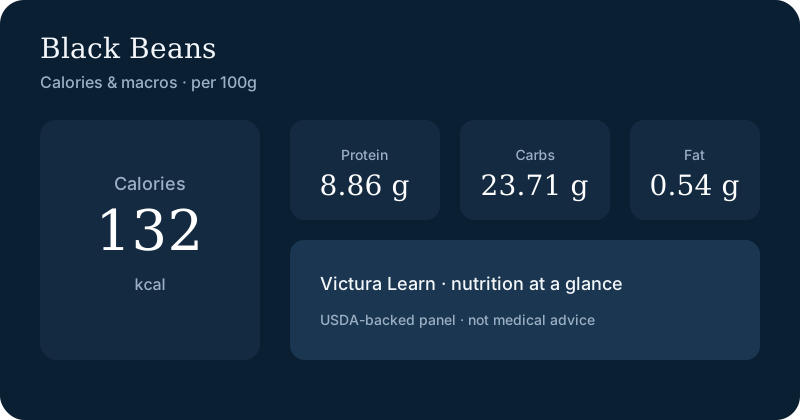
Cooked black beans nutrition: 132 calories, 23.7g carbs, 8.9g protein, and 8.7g fiber per 100g, with 1-cup serving values.
Written by Victura Nutrition TeamReviewed by Victura Editorial ReviewLast updated Aug 10, 2026
132
Calories
8.9g
Protein
23.7g
Carbs
Generally yes
Is it healthy?
per 100g · per panel values
Track this food in VicturaQuick answer
A cup of cooked black beans contains around 227 calories, while 100g contains about 132 calories. Per 100g you get about 23.71g carbs and 8.86g protein. Glycemic index is around 30.
Black Beans is a whole food with approximately 132 calories per 100g, tracked in Victura for macro-aware meal logging.
- Calories (cup of cooked black beans)
- 227 kcal
- Calories (100g)
- 132 kcal
- Carbs (100g)
- 23.71g
- Protein (100g)
- 8.86g
- Serving reference
- 172g · cup of cooked black beans
- Glycemic index
- 30

Where the calories come from
Per 100g · protein & carbs 4 kcal/g, fat 9 kcal/g
- Protein8.9 g · 26.2%
- Carbs23.7 g · 70.2%
- Fat0.5 g · 3.6%
Serving calculator
How much did you eat or drink — Black Beans?
227
Calories
15.2g
Protein
40.8g
Carbs
0.9g
Fat
Nutrition facts
per 100g · Source: USDA FoodData Central
132 kcal
Calories
Scientific explanation
Research-backedBlack Beans provides an exceptional nutritional profile, serving as an outstanding plant-based source of both protein and dietary fiber. Per 100g of cooked, boiled black beans (without salt), the USDA FoodData Central (FDC ID 173735) reports 132 calories, 8.86g of protein, 23.71g of carbohydrates, 0.54g of fat, and 8.7g of dietary fiber. This macronutrient distribution yields a highly favorable protein-to-carbohydrate ratio for a legume, making it a staple in health-conscious diets.
The carbohydrate content is primarily composed of complex carbohydrates, specifically resistant starch and soluble fiber. Resistant starch bypasses digestion in the small intestine, traveling to the large intestine where it undergoes fermentation by beneficial gut bacteria. This process produces short-chain fatty acids (SCFAs) like butyrate, which fuel colonocytes, support mucosal barrier integrity, and exert systemic anti-inflammatory effects. The high fiber content (8.7g per 100g, or roughly 15g per cooked cup of 172g) significantly slows gastric emptying, promoting prolonged satiety and mitigating rapid postprandial glucose excursions.
Micronutrient density is another hallmark of black beans. They are rich in non-heme iron, magnesium, potassium, and folate (Vitamin B9). Folate is critical for DNA synthesis and cellular repair, while magnesium and potassium play vital roles in maintaining healthy blood pressure levels and cardiovascular function. To optimize the bioavailability of non-heme iron, it is scientifically recommended to pair black beans with a source of Vitamin C (such as bell peppers, tomatoes, or citrus juice), which chemically reduces ferric iron to the more absorbable ferrous state. Furthermore, the dark seed coat of black beans contains anthocyanins—potent flavonoid antioxidants that neutralize reactive oxygen species and support vascular health.

Community insights
Community insightIn the Victura community, black beans are frequently logged as a versatile foundation for meal prep, plant-based bowls, and high-fiber side dishes. Analysis of anonymized user logs reveals that individuals who pair black beans with a lean protein source or healthy fats (such as avocado or olive oil) report more stable energy levels and fewer mid-afternoon cravings compared to those consuming refined grain-based carbohydrates.
A common topic of discussion within the community is digestive comfort. Legumes contain oligosaccharides (complex sugars like raffinose and stachyose) that humans lack the enzymes to fully digest, leading to gas production during colonic fermentation. Victura users frequently share preparation strategies to mitigate this effect, such as thoroughly rinsing canned beans or utilizing long soaking and boiling methods for dry beans. Adding carminative herbs like epazote, cumin, or ginger during the cooking process is also highly recommended by community home cooks to improve digestibility. Additionally, fitness enthusiasts in the community regularly log black beans as a post-workout recovery food, combining them with brown rice to create a complete amino acid profile that supports muscle protein synthesis.
Pros
- Excellent source of plant-based protein and prebiotic soluble fiber
- Low glycemic index (30) supports stable blood sugar levels
- Rich in essential micronutrients including folate, magnesium, and iron
Cons
- Contains oligosaccharides that can cause gas and bloating
- Incomplete protein profile (low in methionine) unless paired with grains
- Not suitable for strict low-carb or ketogenic diets
Best time to eat
Pair with a grain like rice or corn to complete the amino acid profile, and consume during lunch or dinner for sustained energy.
Good windows
- Lunch or dinner as a main protein/carb source
- Post-workout recovery meals
Consider avoiding
- Immediately before intense workouts (less than 1 hour) due to high fiber content
Diet compatibility
Weight loss
Friendly
High fiber and protein content promote satiety and help control appetite.
Keto
Use caution
Net carbs ~15.0g per 100g - too high-carb for standard keto.
Diabetic friendly
Friendly
GI 30 with 0.32g sugar - low glycemic index helps prevent blood sugar spikes.
Frequently asked questions
People also ask
Is black beans healthy?
Yes — black beans is a whole food with measurable nutrients. Healthiness depends on overall diet, portions, and your goals. Estimated GI is 30.
Can I eat black beans every day?
Most people can include black beans daily as part of a balanced diet, as long as total calories and carbs fit their plan.
Are black beans good for weight loss?
High fiber and protein content promote satiety and help control appetite.
How many calories are in black beans?
A typical medium serving of black beans has about 132 calories, while 100g contains about 132 calories (USDA reference).
Are black beans good before a workout?
Black beans can work before activity when you want easy carbs; pair black beans with protein if your session is long.
Are black beans high in sugar?
Black beans contain about 0.3g sugar per 100g — mostly natural sugars when whole.
Is black beans keto-friendly?
No, black beans are generally not considered keto-friendly. With approximately 15g of net carbohydrates per 100g (23.71g total carbs minus 8.7g fiber), a single serving can easily exceed the daily carbohydrate limit of a standard ketogenic diet (typically 20-50g of net carbs). Those on strict keto may need to limit portions to tiny amounts or choose lower-carb alternatives like black soybeans.
What is the glycemic index of black beans?
The glycemic index (GI) of black beans is estimated to be approximately 30, which classifies them as a low-glycemic food. This low rating means they are digested and absorbed slowly, causing a gradual, gentle rise in blood sugar rather than a sharp spike. This makes them an excellent carbohydrate choice for sustained energy and glycemic control.
Is black beans safe for people with diabetes?
Yes, black beans are highly recommended for individuals managing diabetes. Their low glycemic index of 30, combined with high fiber and protein content, helps stabilize blood glucose levels and improves insulin sensitivity. The soluble fiber forms a gel-like substance in the digestive tract that slows down the absorption of glucose, preventing post-meal blood sugar spikes.
How much protein is in black beans?
Cooked black beans provide 8.86g of protein per 100g, which translates to approximately 15.2g of protein per cooked cup (172g). While they are a rich source of plant-based protein, they are an incomplete protein because they are low in the essential amino acid methionine. Pairing them with a grain like rice or corn creates a complete protein containing all nine essential amino acids.
How we review this guide
- Written by
- Victura Nutrition Team
- Reviewed by
- Victura Editorial Review
- Reference sources
- 4
- Last updated
- Aug 10, 2026
References
Ready to track your meals with AI?
Victura scans your plate, logs macros automatically, and coaches you toward your goals — halal, keto, diabetic-friendly, and more.